






The Ragi Renaissance
Before it became a star ingredient in trendy energy bars, ragi, or finger millet, was a humble staple in many parts of India, especially in the south. Known for its resilience as a crop and its affordability, it has been a cornerstone of rural diets for centuries,
often made into porridge (kanji), flatbreads (rotis), or dosas. What our ancestors knew instinctively, science now confirms: ragi is a nutritional powerhouse. It's naturally gluten-free and packed with calcium—reportedly having ten times more than rice or wheat. It’s also rich in dietary fibre, which aids digestion and helps in maintaining stable blood sugar levels, and is a good source of amino acids like methionine and tryptophan, which are often lacking in other cereal grains. This impressive profile is the foundation of its modern-day comeback.
The Magic of Sprouting
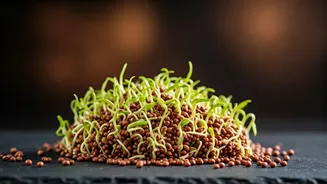
The 'sprouted' part of the name isn't just a marketing gimmick; it's a crucial step that unlocks ragi's full potential. Sprouting, or germination, is the natural process where seeds or grains begin to grow into young plants. When you soak ragi grains until they sprout, a series of amazing biochemical changes occur. The process breaks down anti-nutrients like phytic acid, which can otherwise bind to minerals and prevent their absorption. This means that sprouting makes the rich reserves of calcium, iron, and other minerals in ragi more bioavailable—your body can absorb and use them more effectively. Furthermore, sprouting activates enzymes that predigest starches and proteins, making the grain easier on your digestive system. It also increases the concentration of certain vitamins, particularly Vitamin C and B-vitamins. In essence, sprouting turns a super grain into a super-super grain.
A Perfect 'Clean Eating' Fit
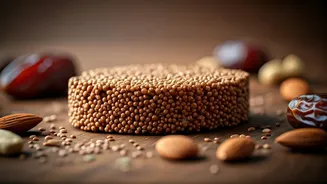
The term 'clean eating' can be vague, but at its core, it’s about consuming whole, unprocessed foods and avoiding artificial ingredients, preservatives, and refined sugars. Sprouted ragi energy bars are the poster child for this philosophy. A typical homemade or consciously-made commercial bar contains a short, recognisable list of ingredients: sprouted ragi flour, a natural binder like dates or honey, nuts and seeds for texture and healthy fats (think almonds, walnuts, chia seeds, flax seeds), and perhaps a natural flavouring like cardamom or cinnamon. There's no room for complex chemical names, high-fructose corn syrup, or artificial preservatives. This transparency and commitment to whole-food ingredients are precisely what makes them so appealing to those who meticulously curate their diets and share their finds on social media, fuelling the trend.
Are They Worth the Hype?
So, should you swap all your snacks for sprouted ragi bars? They certainly have a lot going for them. They provide sustained energy from complex carbohydrates, rather than a quick sugar rush and crash. The combination of fibre from ragi and healthy fats from nuts and seeds promotes satiety, keeping you fuller for longer. This makes them an excellent mid-morning snack to tide you over until lunch or a great pre-workout fuel to power your exercise. However, it's important to be a smart consumer. While the base ingredients are healthy, calories can add up, especially with additions like nuts and natural sweeteners. If you're buying them, always check the label for hidden sugars or unhealthy fats. A bar is not a complete meal replacement, but as a functional snack, it's a far superior choice to a packet of biscuits or a chocolate bar.