



From Slow Food to Fast Authenticity
For generations, the heart of Indian cooking was the lengthy and loving preparation. From peeling and grinding ginger and garlic for a flavour base to soaking legumes overnight and milling grains for fresh batter, the process was as important as the final
dish. However, the realities of modern life—urban migration, demanding careers, longer commutes, and the rise of nuclear families—have created a conflict between the desire for authentic, home-cooked meals and the time available to create them. The hours once dedicated to kitchen prep are now a luxury. This has paved the way for a new market that doesn't ask consumers to choose between convenience and tradition, but rather offers a bridge between the two.
The First Wave: Simplifying the Basics
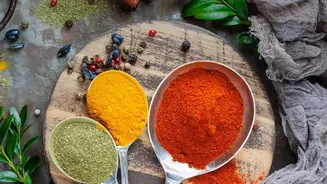
The shift began subtly, with simple building blocks that shaved precious minutes off daily cooking. The first heroes of the new Indian pantry were products like ginger-garlic paste, tamarind concentrate, and pre-packaged spice mixes or masalas. These items eliminated some of the most repetitive and time-consuming tasks without compromising the foundational flavours of a dish. Instead of grinding whole spices for every meal, a reliable garam masala or pav bhaji masala could be used. Rather than boiling and pulping tamarind, a ready-made paste offered the same sour tang instantly. These products became staples, proving that consumers were eager to embrace solutions that made daily cooking more manageable.
Beyond Pastes: The Main Course Arrives
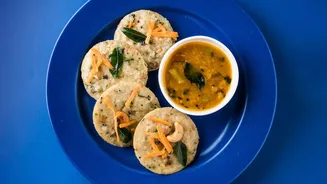
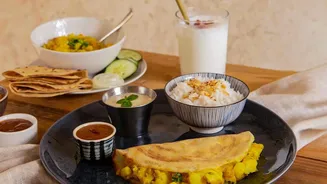
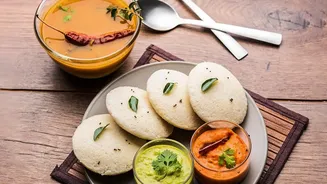
Building on the success of basic conveniences, brands began to tackle more complex preparations. The market for ready-to-cook (RTC) and ready-to-eat (RTE) foods has exploded, with the Indian market size reaching billions and projected to grow significantly. Supermarket refrigerators are now stocked with tubs of fresh idli and dosa batter, a task that once required a full day of soaking and fermenting. The freezer section is filled with dozens of varieties of frozen parathas, rotis, and naans. Beyond the components, entire meals like Dal Makhani, Paneer Butter Masala, and Biryani are available in shelf-stable pouches that only require heating. These aren't just emergency meals anymore; they're becoming a regular part of the weekly grocery list for millions.
The Clean Label Revolution
Early skepticism around packaged foods often centered on health concerns, specifically the use of artificial preservatives, colours, and flavours. Today's consumer is far more health-conscious and demands transparency. This has fueled a 'clean label' revolution in the convenience food space. Brands are actively promoting their products as "preservative-free," "100% natural," and even "organic." To achieve shelf stability without chemicals, companies are employing advanced food technologies like retort packaging (heat sterilization) and freeze-drying, which lock in nutrients and flavour naturally. The focus has shifted from merely being convenient to being convenient and wholesome, mimicking the quality of a home-cooked meal as closely as possible.
Redefining, Not Replacing, Tradition
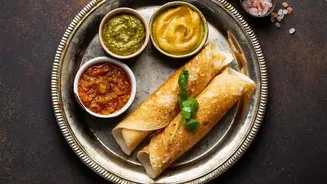
This evolution of the Indian pantry is not about replacing tradition but reinterpreting it for a new generation. The convenience trend is driven by a deep-seated desire to stay connected to culinary roots. It's about enabling a young professional to make a quick, flavourful dal after a long day at work or allowing a family to enjoy a weekend breakfast of dosas without the extensive prep work. The core ingredients—the lentils, the spices, the grains—are the same ones found in a traditional pantry. The only thing that has changed is the format, updated for a faster-paced world. These products ensure that heritage flavours and recipes don't just survive but thrive, remaining accessible and relevant in the modern Indian home.