





Udaipur, Rajasthan: The City of Lakes
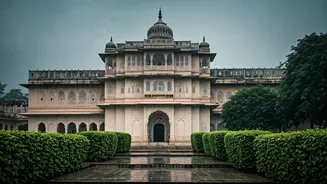
While the Himalayan states grapple with heavy rainfall and unstable terrain, the Aravalli hills surrounding Udaipur offer a far safer alternative. In July, the city receives light to moderate showers that wash the dust away, fill its iconic lakes like
Pichola and Fateh Sagar, and leave the landscape lush and romantic. The region's geography is not prone to the large-scale landslides that plague steeper, younger mountains. This allows travellers to explore majestic sites like the City Palace, Jag Mandir, and the Monsoon Palace (Sajjangarh) without worry. The infrastructure is robust, and the cinematic views of palaces reflected in brimming lakes make it a perfect, stress-free monsoon getaway.
Orchha, Madhya Pradesh: The Hidden Gem
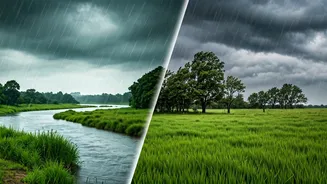
If you want to experience the beauty of the monsoon without the risks associated with hill stations or coastal areas, Orchha is an excellent choice. Situated on the plains of Central India, this historic town on the banks of the Betwa River is geographically shielded from landslide activity. During July, the otherwise dry landscape transforms into a vibrant green canvas. The rain-washed cenotaphs, ancient temples, and the magnificent Orchha Fort Complex look particularly stunning. The river swells, creating breathtaking reflections of the monuments, offering a unique and safe historical sojourn.
Kodaikanal, Tamil Nadu: Princess of the Hills
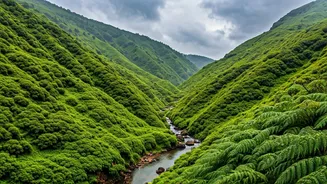
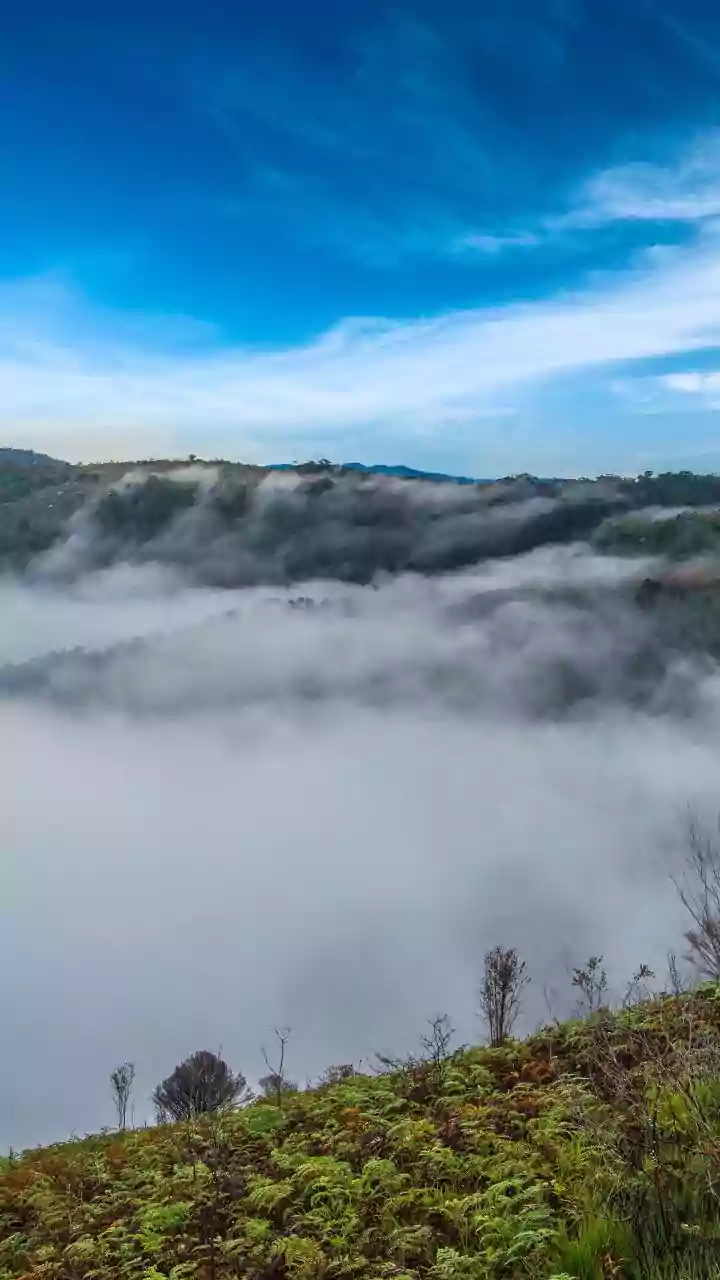
While some hill stations are best avoided, Kodaikanal in Tamil Nadu’s Palani Hills is generally considered a safer bet during the monsoon. Unlike the fragile ecology of some Himalayan regions, the Western Ghats here are more stable, and the infrastructure is well-maintained. The monsoon brings misty weather, cool temperatures, and transforms waterfalls like Bear Shola Falls into powerful spectacles. While caution is always advised, the risk of major disruptive landslides is lower compared to its northern counterparts. This makes it a great option for those who crave a classic misty hill station experience in July.
Mahabaleshwar, Maharashtra: A Sahyadri Classic
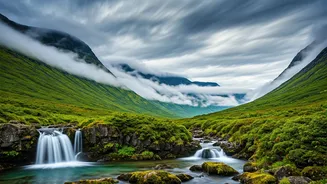
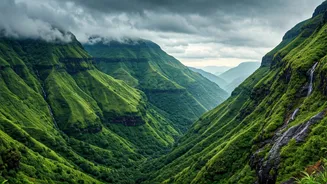
Nestled in the Sahyadri mountain ranges, Mahabaleshwar is a popular monsoon destination that balances beauty with reliable safety. The Western Ghats here receive heavy rainfall, but the access roads from major cities like Mumbai and Pune are generally well-maintained and less prone to the severe, prolonged blockages seen in the Himalayas. The region is dotted with viewpoints like Arthur's Seat and Elephant's Head Point that offer stunning, mist-covered valley views. The manageable terrain and robust connectivity make it a dependable choice for enjoying lush greenery and cascading waterfalls without the heightened anxiety of more volatile regions.
Shillong, Meghalaya: Scotland of the East
While Meghalaya is famous for receiving some of the highest rainfall in the world, its capital, Shillong, is relatively well-equipped to handle the downpour. The town itself is generally not prone to major landslides, and its roads are well-constructed. In July, the landscape is intensely green, and waterfalls like Elephant Falls are at their most powerful. Umiam Lake, just outside the city, becomes a vast, beautiful waterbody surrounded by mist. For travellers wanting to experience the dramatic beauty of a North-Eastern monsoon with a lower degree of risk, Shillong serves as a safe and accessible base.