


The Gut Health Trend Bubbling Up
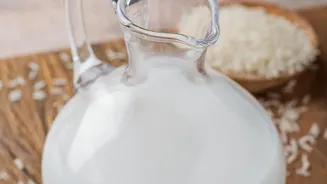
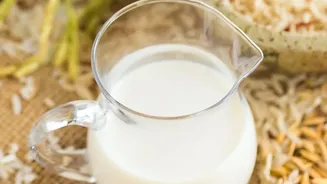
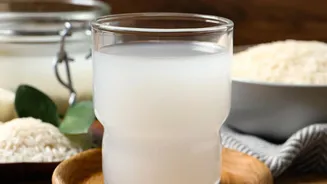
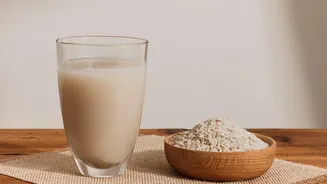
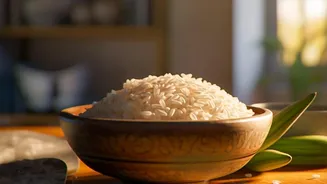
If you follow wellness trends online, you've likely seen videos of influencers mixing cloudy, water-like concoctions, claiming they are the secret to a happy gut. This is fermented rice water, a DIY remedy that has exploded in popularity. The premise
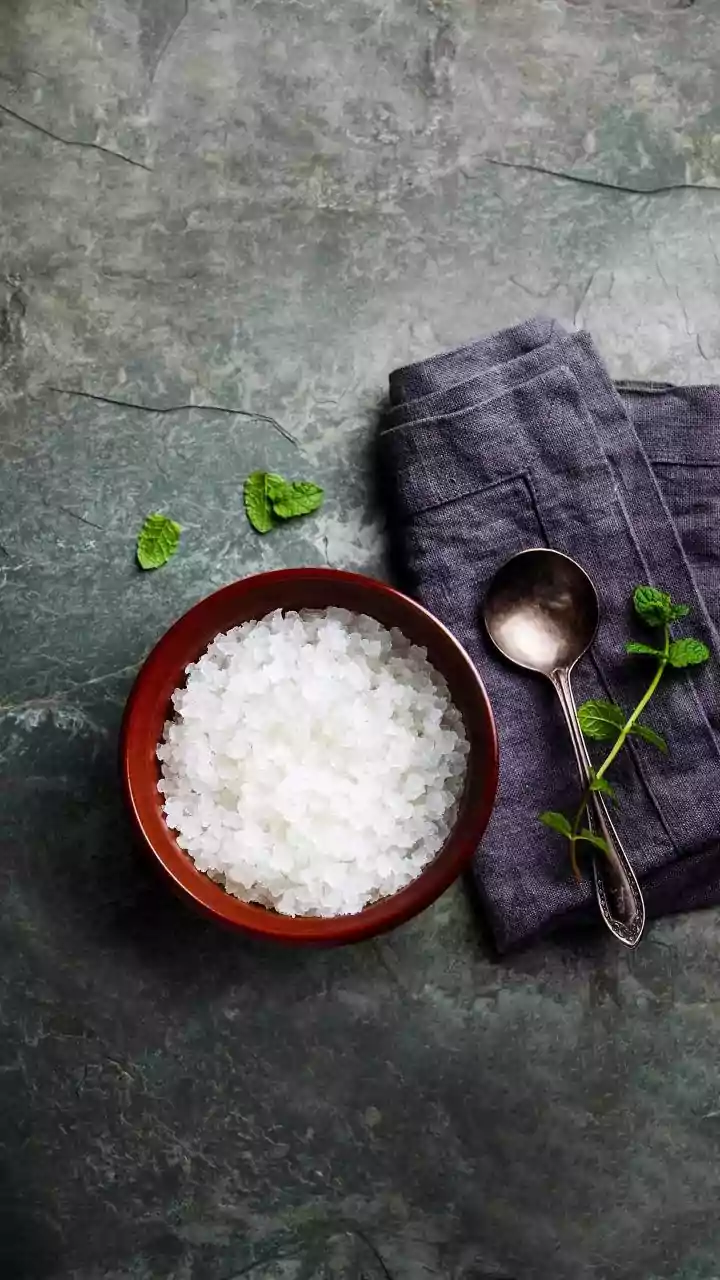
is simple: leftover cooked rice is soaked in water and left to ferment at room temperature for a day or two. This fermented liquid, sometimes called rice starch, is then consumed, often on an empty stomach. Creators claim the fermentation process creates a beverage rich in probiotics—beneficial bacteria that support a healthy digestive system. The promised benefits range from reduced bloating and improved digestion to a stronger immune system and even clearer skin, all attributed to the power of these live microorganisms.
An Echo of Indian Tradition
While it might seem like a new discovery, the practice of fermenting rice is deeply rooted in Indian culture. For generations, households across India have been making versions of this drink, known by many names. In Tamil Nadu, it’s called ‘Neeragaram’ or ‘Pazhaya Sadam’. In Bengal, it's ‘Panta Bhat’, and in Odisha, ‘Pakhala Bhat’. Traditionally, leftover rice from the previous night's meal was soaked in water in an earthen pot and consumed the next morning, often with salt, onions, or curd. This wasn't just a way to prevent food waste; it was valued as a cooling, hydrating, and energizing breakfast, especially for farmers and laborers facing a long day in the sun. So, the modern wellness trend is essentially a repackaging of a humble, age-old Indian staple.
What Science Says About Fermentation
The core claim behind fermented rice water rests on the science of probiotics. Fermentation is a process where microbes like bacteria and yeast break down sugars. In the case of rice, naturally present lactic acid bacteria get to work, creating a probiotic-rich liquid. Probiotics are well-regarded for their ability to help balance the gut microbiome, which is the community of trillions of bacteria living in your digestive tract. A healthy gut microbiome is linked to better digestion, stronger immunity, and even improved mental health. Studies confirm that the fermentation process not only creates probiotics but can also increase the bioavailability of certain nutrients in rice, like iron and calcium, while reducing anti-nutrients that can hinder their absorption.
The Reality Check: Is It a Miracle Drink?
While the principles are sound, it's important to separate traditional knowledge from influencer claims. Scientific studies specifically on fermented rice water have identified probiotic strains like Lactococcus lactis and Pediococcus pentosaecus. These bacteria are known to have beneficial properties. However, most of the dramatic health claims you see online are not supported by large-scale clinical trials in humans. The traditional Indian versions are also different from what's often promoted online; they are typically consumed as part of a meal, with the rice included, which adds fiber and other nutrients. The benefits come from a holistic food practice, not just from sipping a starch-heavy liquid. While it can be a source of probiotics, it is not a cure-all. Initial side effects for those new to fermented foods can include temporary gas and bloating.
The Risks of DIY Fermentation
Making fermented foods at home requires care. If not done correctly, you risk cultivating harmful bacteria instead of helpful ones. Using unclean containers, incorrect temperatures, or the wrong fermentation time can lead to spoilage and the growth of pathogens like Salmonella or Listeria. If your ferment develops a strange color, a slimy texture, or a putrid smell, it is not safe to consume and should be discarded immediately. Individuals who are pregnant, elderly, or have a compromised immune system should be particularly cautious with home-fermented products and might be safer choosing commercially produced options that are made under strict safety controls.