

The Solo Cooking Conundrum
Living alone has its perks, but the daily grind of meal preparation isn’t always one of them. Most recipes are designed for families, leaving solo cooks to either wrestle with complicated math to scale them down or face the monotony of eating the same
leftovers for days. This often leads to a cycle of opting for takeaways or simple, uninspired meals, not because of a lack of desire for good food, but due to the sheer effort involved, especially the cleanup. Every pot, pan, and chopping board used for a single portion adds to a sink full of work, making home cooking feel impractical.
What Exactly Is a Versatile Curry Base?
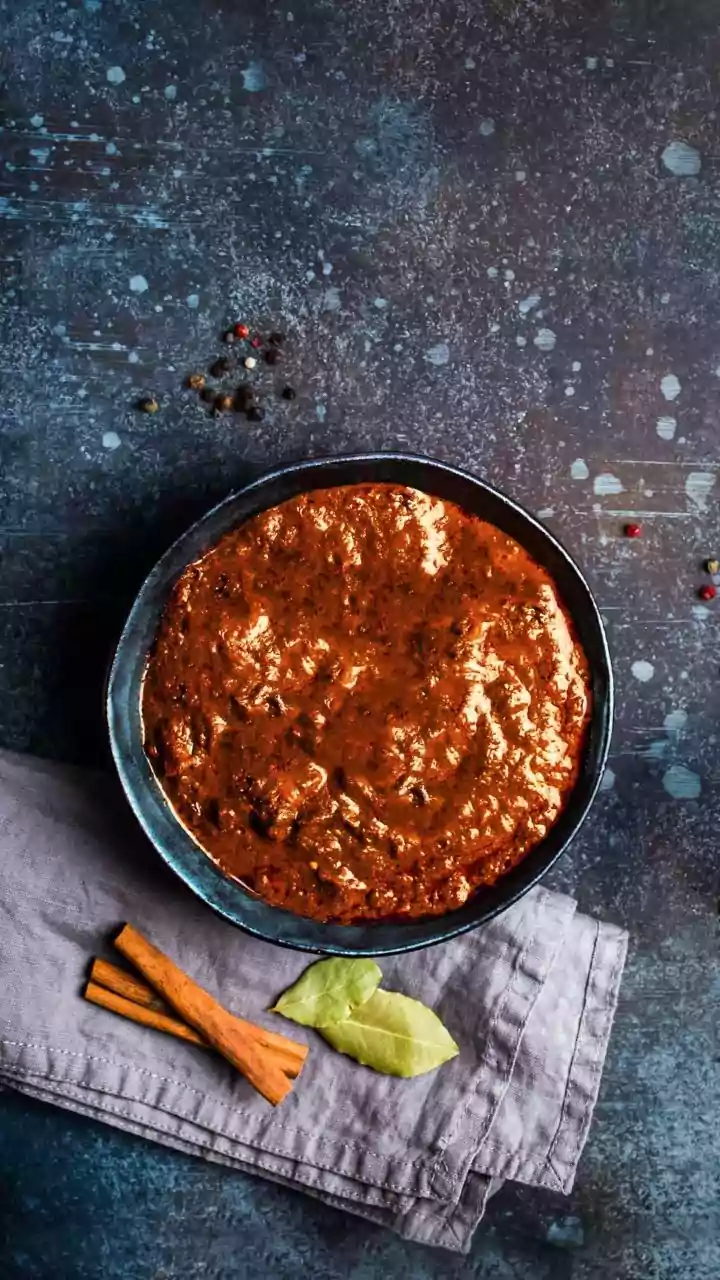
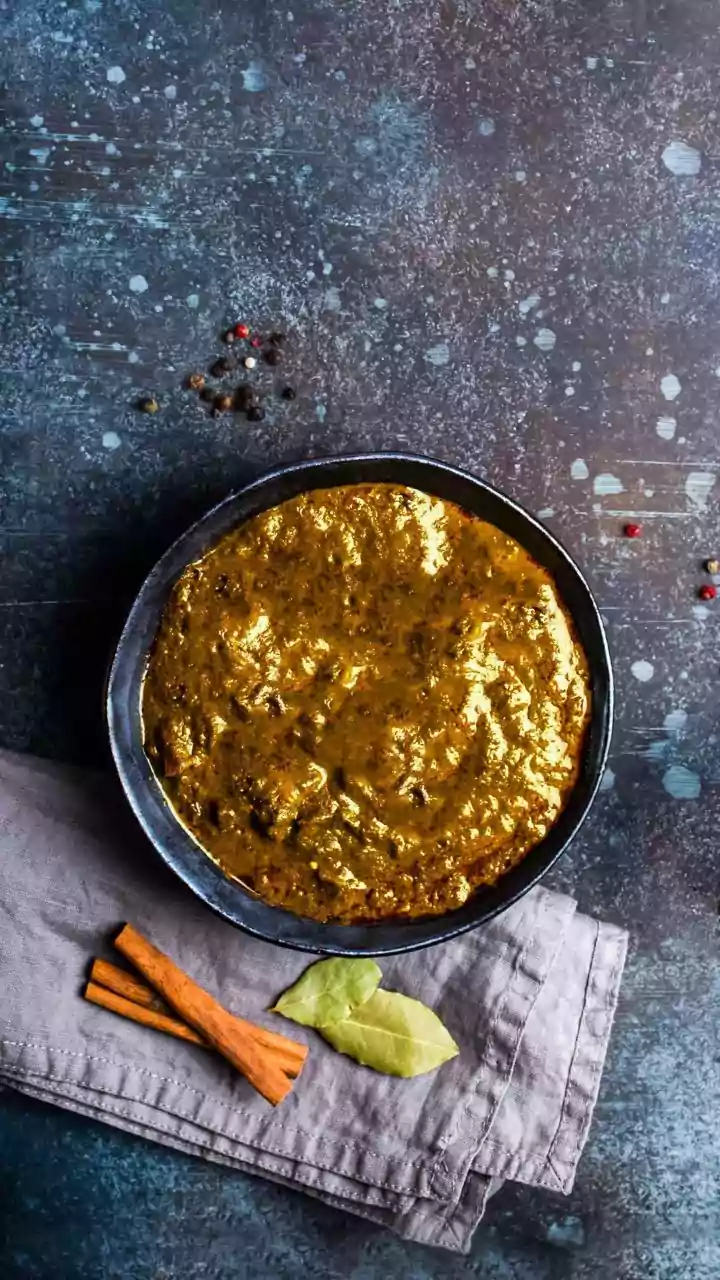
A curry base, sometimes called a master gravy, is the secret weapon of many Indian restaurants, allowing them to prepare a wide variety of dishes quickly. Think of it as a foundational flavour sauce. It’s a concentrated, slow-cooked blend of aromatic essentials like onions, ginger, garlic, tomatoes, and a balanced mix of spices. This base is cooked in a large batch and can then be stored in the fridge for a week or frozen in portions. The idea is to do the most labour-intensive part of the cooking process—building deep flavour—just once. This base is intentionally neutral, not overly spicy, so it can be adapted into countless different curries.
How It Slashes Your Dishwashing Time
This is where the magic happens for solo dwellers. Instead of starting from scratch every night—dirtying a knife, a chopping board, a pan for onions, another for spices, and a pot for the final curry—you do the “big cook” once. You'll use several pans to make a large batch of the base, but then you wash them and you're done. For the rest of the week, dinner can be made in a single pan. Simply scoop out a portion of your pre-made base, heat it up, and add your protein and vegetables. The entire meal comes together in one pot, drastically cutting down on nightly cleanup. This “cook once, eat often” strategy transforms your daily routine.
Creating Your Foundational Base
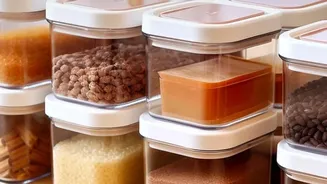
Making a curry base is more about technique than a strict recipe, but the core components are consistent. Start by slowly cooking a generous amount of sliced onions in oil until they are soft and deeply golden brown. This step is crucial for building a sweet, rich foundation. Next, add minced ginger and garlic, cooking until fragrant. Then, stir in your ground spices like turmeric, cumin, and coriander powder, letting them toast for a minute. Finally, add pureed tomatoes and let the mixture simmer until it thickens into a rich, dark paste. You can then blend it for a smooth, restaurant-style texture. Once cooled, portion it into small containers or even ice cube trays for easy use.
From Base to Dinner Plate in Minutes
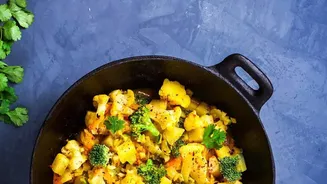
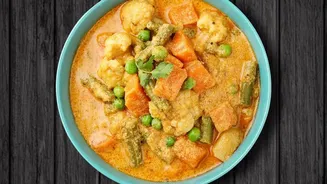
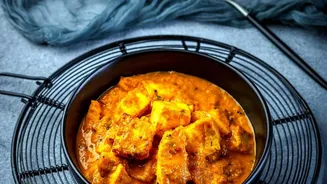
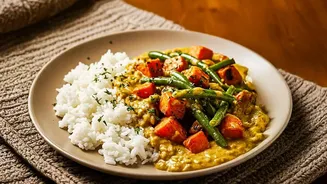
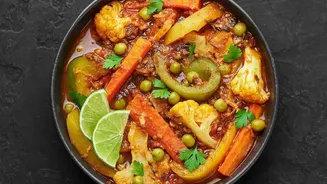
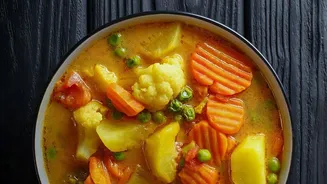
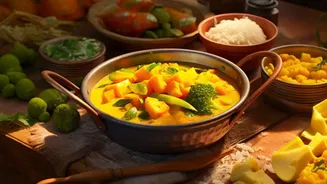
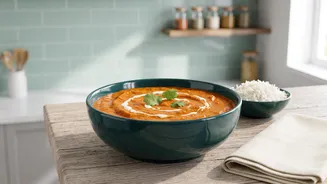
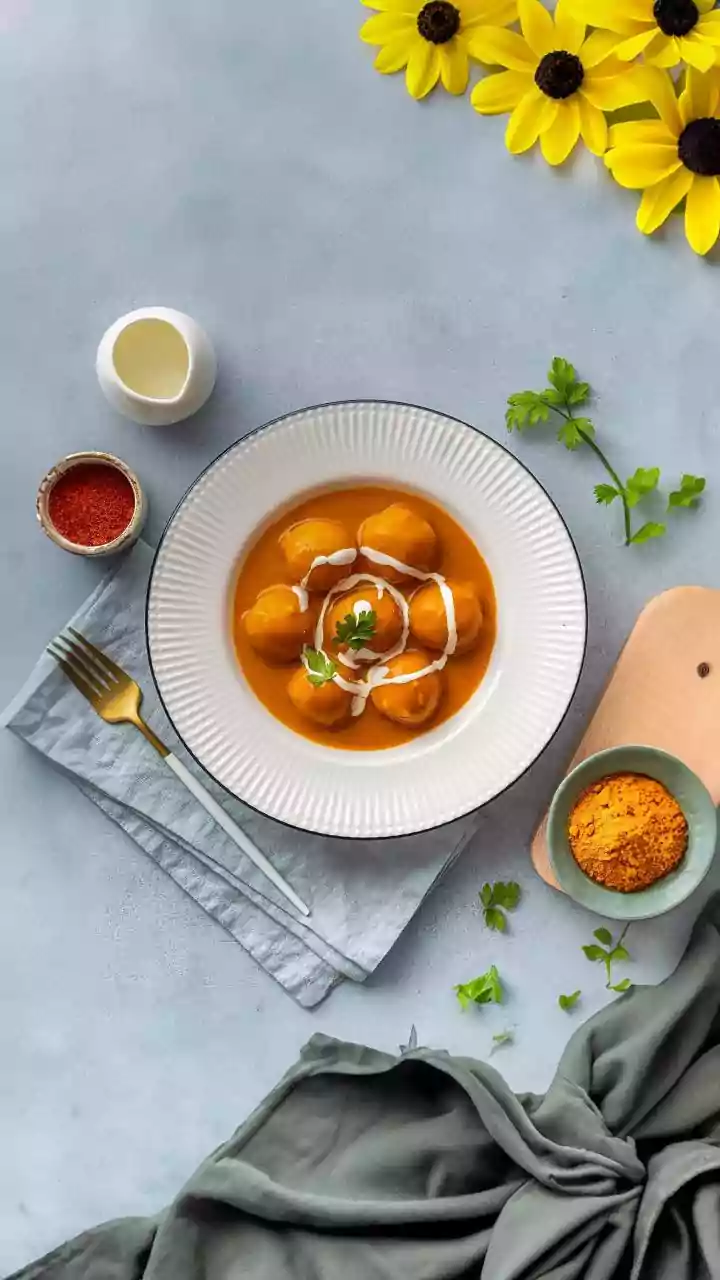
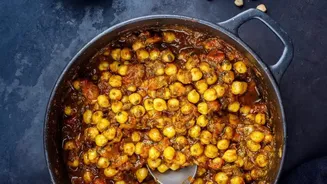
The true beauty of the curry base is its versatility. Once you have your portions ready, a delicious meal is never more than 15 minutes away. For a quick Chana Masala, heat the base and stir in a can of chickpeas. For a simple chicken curry, sear some chicken pieces in a pan, add the base, and a splash of water or coconut milk to create a gravy. You can do the same with paneer, mixed vegetables, or lentils. Each night, you can add different final touches—a pinch of garam masala, a squeeze of lemon, fresh coriander, or a dollop of yogurt—to create a distinct meal from the same starting point.
More Than Just Fewer Dishes
While minimizing cleanup is a major win, the benefits of this cooking style extend further. Batch cooking saves a significant amount of time during the busy week and can also reduce meal costs, as buying ingredients in bulk is often cheaper. It helps minimize food waste, as you plan your cooking and use up fresh ingredients in one go. Most importantly, it empowers you to eat wholesome, home-cooked meals without the associated stress or decision fatigue, making cooking for one a genuinely enjoyable and rewarding experience.