


Embrace Your Balcony's Shade
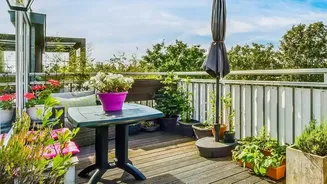
Many aspiring gardeners feel frustrated by a north-facing balcony or one that is overshadowed by buildings. While it is true that sun-loving Mediterranean herbs like rosemary, basil, and thyme will struggle, many other delicious herbs actually prefer
cooler, shadier conditions. In fact, for some plants, a bit of shade protects them from the intense heat that can cause them to wilt or bolt, which is when a plant stops producing leaves and starts producing flowers and seeds. The key is to stop fighting your balcony's natural environment and start working with it. Think of your space not as lacking sun, but as the perfect microclimate for a whole different class of culinary plants.
The Best Herbs for a Low-Light Garden
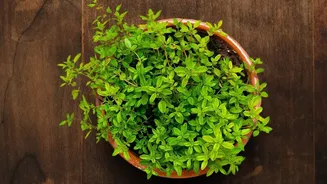
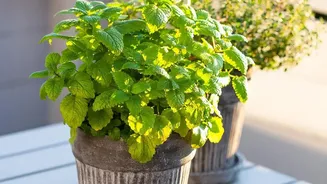
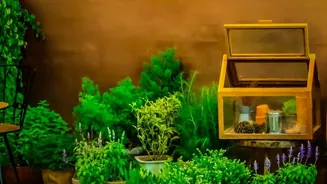
Choosing the right varieties is the single most important step. Soft, leafy herbs are your best bet as they are generally more tolerant of partial sun than their woody counterparts. Some of the most reliable choices include Mint, which is famously vigorous and can sometimes grow even better in partial shade. Parsley, both the flat-leaf and curly types, is another fantastic option that performs well with just a few hours of light. Chives are one of the most forgiving herbs available and will happily grow in lower light. Finally, Lemon Balm, a member of the mint family, and Cilantro, which is prone to bolting in direct sun, are both excellent candidates for a shadier spot.
Choosing the Right Pots and Soil
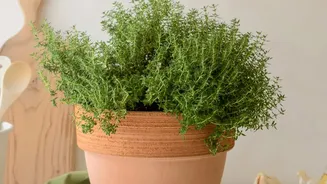
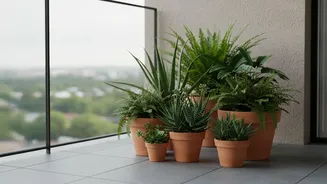
Container gardening comes with its own set of rules, especially in low-light conditions. Because there is lessTherefore, less sun, water evaporates more slowly, which increases the risk of waterlogged soil and root rot. To combat this, choose containers with plenty of drainage holes. Porous materials like terracotta can also help the soil dry out faster. When it comes to soil, avoid heavy garden soil, which compacts easily and holds too much moisture. Instead, opt for a high-quality potting mix designed for containers. These mixes are lighter and often contain ingredients like perlite or vermiculite that improve drainage and airflow, creating a healthier environment for the roots.
Watering and Feeding in the Shade
The reduced sunlight on your balcony means your plants will photosynthesize less, and therefore require less water than plants grown in full sun. Overwatering is a common mistake in shade gardens. Always check the soil before you water; a good rule of thumb is to water only when the top inch or two of soil feels dry to the touch. When you do water, do so thoroughly until it runs out the drainage holes. Because frequent watering can flush nutrients out of the soil, you may need to fertilize occasionally. A balanced liquid fertilizer, diluted to half-strength and applied every few weeks during the growing season, is usually sufficient to keep your shade-loving herbs healthy and productive.
Simple Tricks to Maximize Light
Even if your balcony is mostly shady, you can use a few tricks to make the most of what little light you get. If possible, paint the walls or floor of your balcony a bright white or a light colour, as these surfaces will reflect light back onto your plants. You can also strategically place mirrors or other reflective surfaces to bounce sunlight into darker corners. Pay attention to the path of the sun throughout the day and place your pots in the brightest available spot, even if it only gets a couple of hours of direct light. Finally, rotating your pots every few days will ensure that all sides of the plant get some exposure, promoting more even, upright growth instead of having them lean in one direction.