



First, What Is a SCOBY?
At the heart of every kombucha brew is the SCOBY, an acronym for Symbiotic Culture of Bacteria and Yeast. It looks like a rubbery, jelly-like disc and is often called the 'mother' or 'mushroom'. This living culture is what transforms sweet tea into tangy,
fizzy kombucha by consuming sugar and producing beneficial organic acids. The SCOBY floats in the tea and creates a seal on the surface, while the bacteria and yeast work together to ferment the liquid. You can get a SCOBY from a friend who brews, or purchase one online.
Gather Your Gear and Ingredients
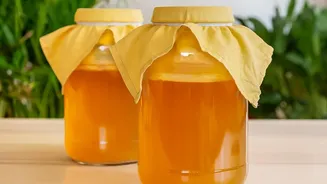
You don't need much to get started, but a few key items are essential. For a standard one-gallon batch, you will need a large glass jar, filtered water, plain cane sugar, black or green tea (loose-leaf or bags), a mature SCOBY, and strong starter tea from a previous batch. It is crucial to use a glass vessel, as the acidic brew can leach chemicals from ceramic or metal containers. You'll also need a tightly woven cloth or coffee filter and a rubber band to cover the jar, which allows the brew to breathe while keeping contaminants out.
Step 1: Brew the Sweet Tea Base
The foundation of kombucha is a simple sweet tea. Start by boiling about four cups of filtered water. Remove from the heat, add your tea (about 6-8 tea bags or a few tablespoons of loose-leaf tea per gallon) and let it steep for 10-15 minutes. While the tea is still hot, stir in one cup of cane sugar until it dissolves completely. This sugar is not for you; it's food for the SCOBY. Most of it will be consumed during fermentation. Once the sugar is dissolved, add the rest of your cool, filtered water to the jar and, most importantly, wait for the tea to cool to room temperature. Adding a SCOBY to hot tea can damage or kill the delicate culture.
Step 2: The First Fermentation (F1)
Once your sweet tea is at room temperature, it's time to add the magic. Gently place your SCOBY into the jar, along with at least one to two cups of strong starter tea. The starter tea is crucial for lowering the pH of the brew, which helps prevent the growth of unwanted mould or bacteria. Cover the mouth of the jar with your cloth and secure it with a rubber band. Place the jar in a warm spot, out of direct sunlight, and let it ferment for 7 to 14 days. The ideal temperature is between 21-26°C. After about a week, you can start tasting it. The longer it ferments, the less sweet and more vinegary it will become.
Step 3: The Second Fermentation (F2) for Fizz
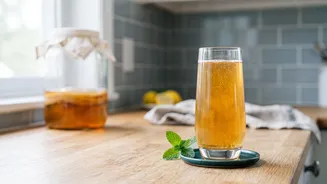
If you love the carbonation in store-bought kombucha, the second fermentation is key. This is the stage where you bottle your brew and add flavour. First, gently remove the SCOBY and about two cups of the kombucha from your jar—this will be the starter tea for your next batch. Pour the remaining kombucha into airtight, pressure-safe bottles, like swing-top glass bottles. This is where you can get creative. Add a small amount of fruit juice, fresh fruit purée, or herbs to each bottle. The added sugar from the fruit will feed the remaining yeast, creating natural carbonation.
Flavoring and Bottling Your Brew
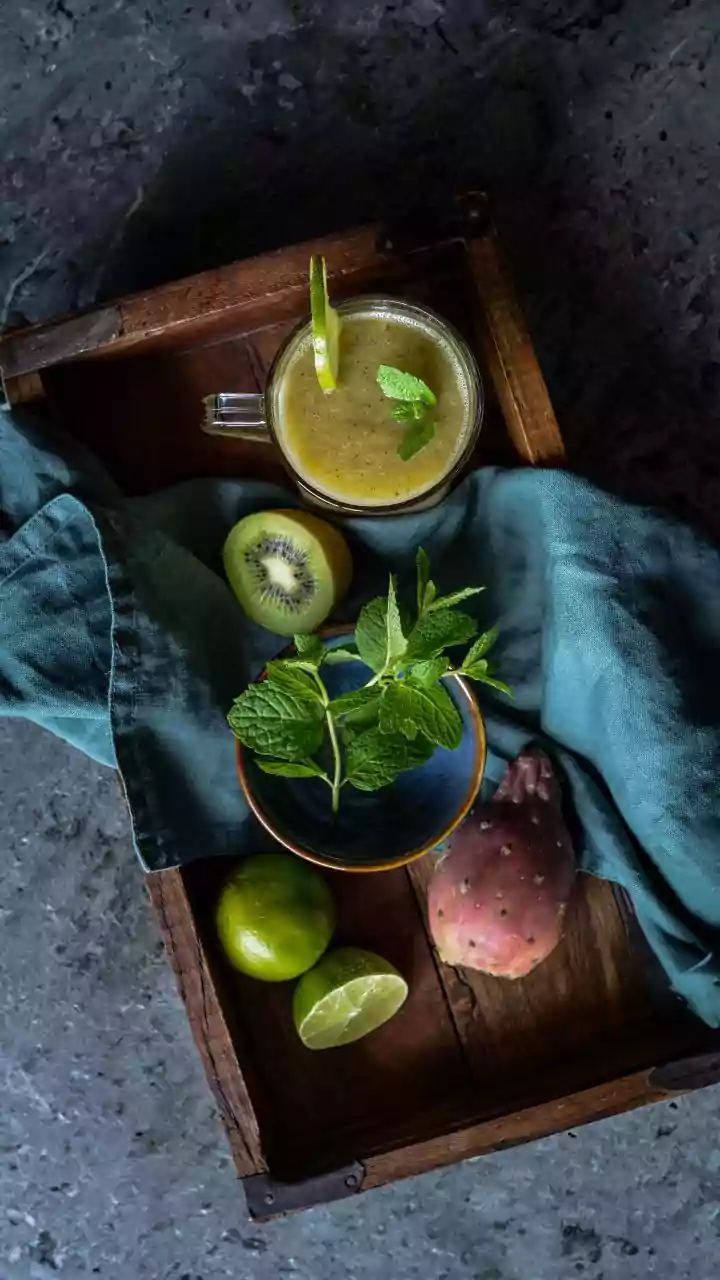
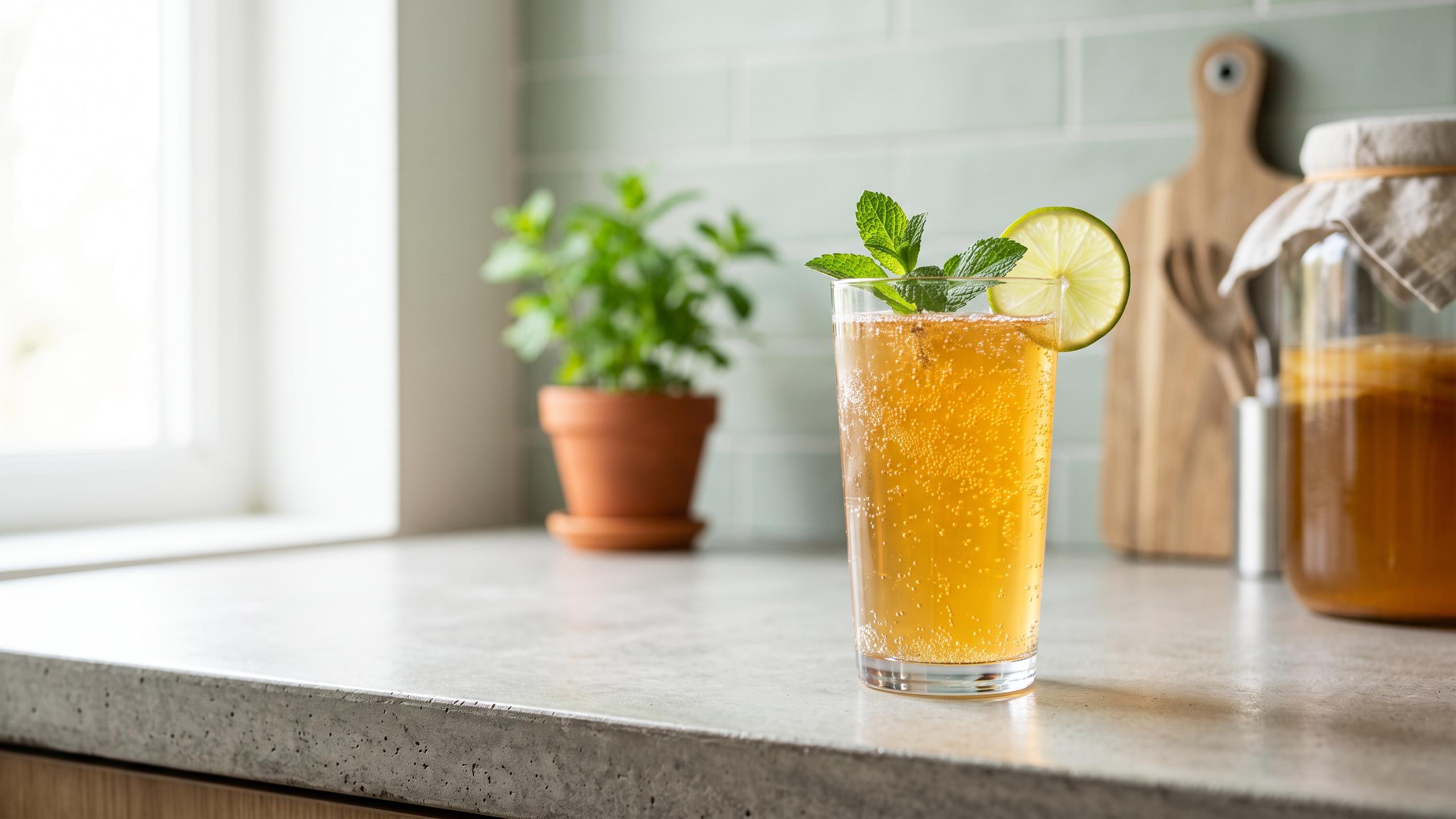
The flavour combinations are nearly endless. Popular choices include ginger, berries, mango, and pineapple. A good starting point is to use about one part fruit or juice to four parts kombucha. You can use fresh fruit, purées, or even spices like cinnamon or herbs like mint and basil. After adding your flavourings, seal the bottles tightly and leave them at room temperature for another 2 to 5 days. It's important to 'burp' the bottles daily by briefly opening the cap to release excess pressure and prevent explosions. Once the desired level of fizz is reached, transfer the bottles to the refrigerator to stop the fermentation and lock in the carbonation.
Safety and Caring for Your SCOBY
Hygiene is paramount when brewing kombucha to prevent mould and other contaminants. Always wash your hands and use clean equipment. A healthy brew should smell slightly sweet and vinegary. If you see any fuzzy, dry, or colourful mould (usually blue, green, or black) on your SCOBY, discard the entire batch and start over with a new culture. Between batches, your SCOBY can be stored in a glass jar with some starter tea, often called a 'SCOBY hotel'. With proper care, a SCOBY can last indefinitely, producing new layers with each batch.