

A Breakthrough in Alien Atmospheres
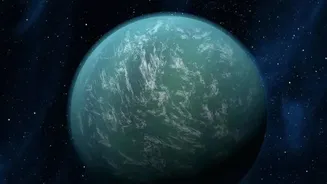
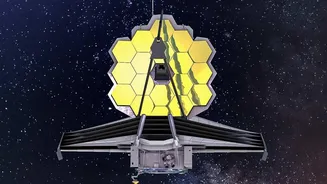
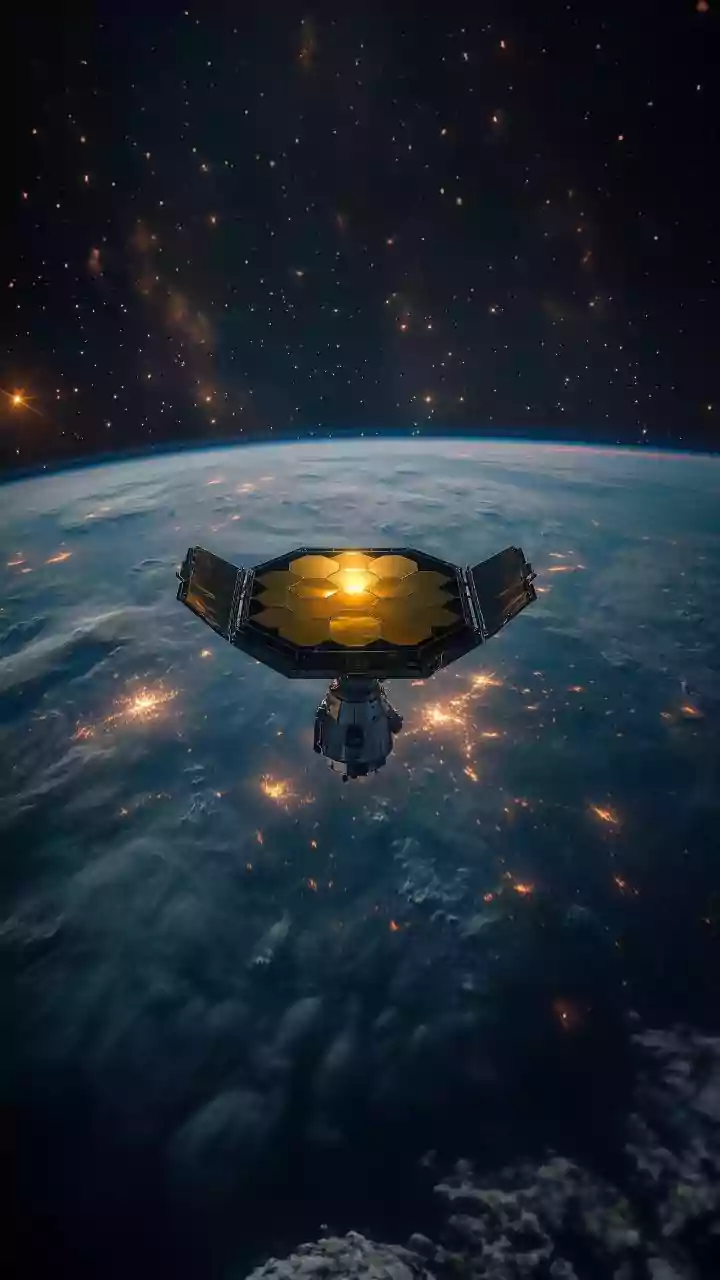
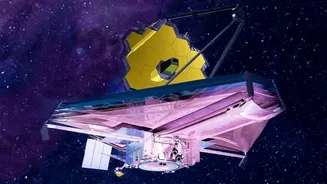
In a series of groundbreaking observations, the James Webb Space Telescope (JWST) has successfully identified and mapped the presence of water vapour in the atmospheres of several exoplanets—planets orbiting stars outside our solar system. One such observation focused
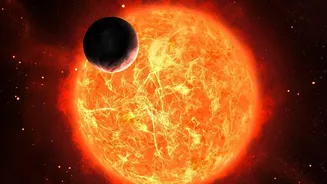
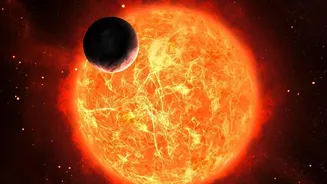
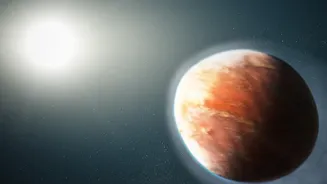
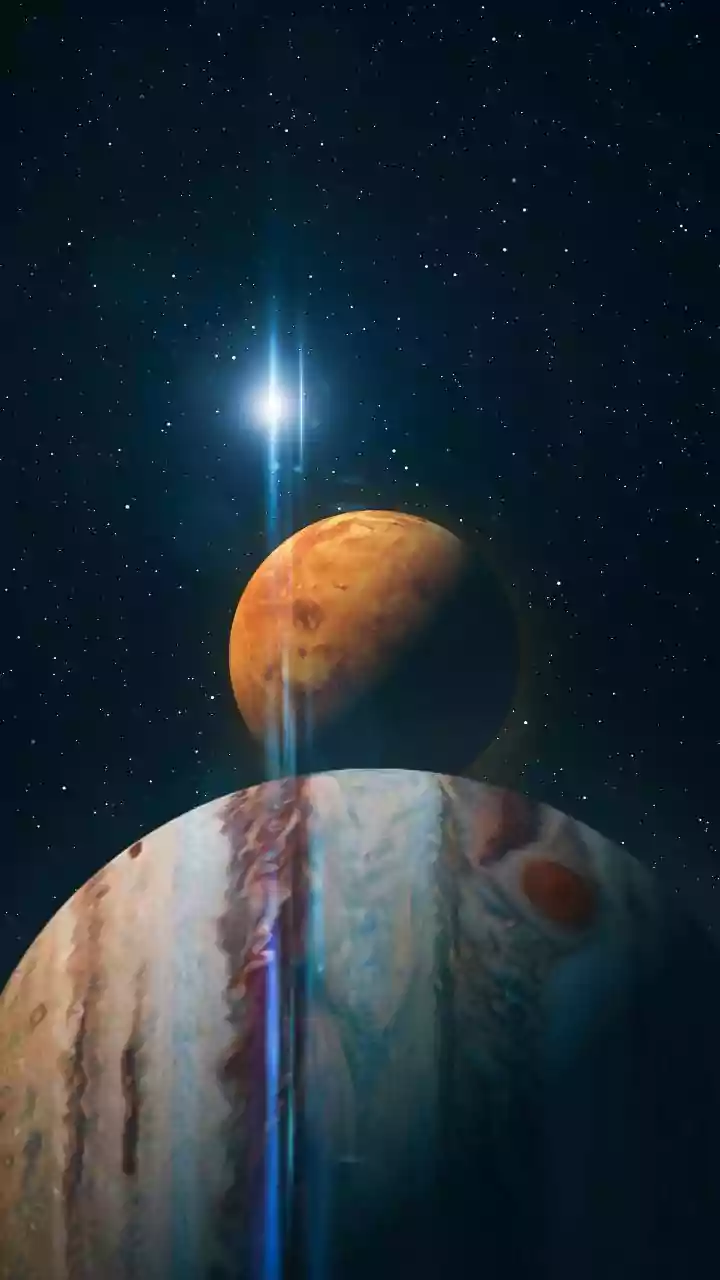
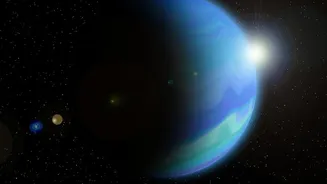
on WASP-18 b, an ultra-hot gas giant about 10 times more massive than Jupiter, located 400 light-years away. Scientists not only detected the clear signature of water molecules but were also able to create a temperature map of the planet's atmosphere. This achievement marks a significant leap from merely detecting chemical elements to understanding their distribution and the physical conditions of these alien environments. While Hubble first detected water on an exoplanet in 2013, Webb's advanced instruments are providing a level of detail that was previously unimaginable, opening a new chapter in the study of distant worlds.
How Webb Sees Water From Light-Years Away
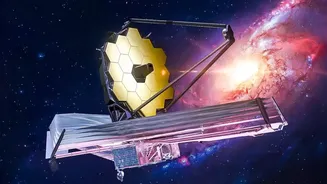
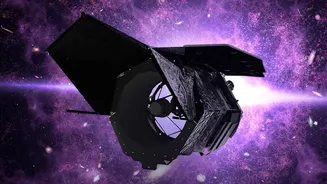
So, how does a telescope see something as specific as water from trillions of kilometres away? The magic lies in its powerful infrared instruments and a technique called transmission spectroscopy. When an exoplanet passes in front of its host star from our point of view, a tiny fraction of the starlight filters through the planet's atmosphere. Different molecules in the atmosphere absorb specific colours, or wavelengths, of light. Water vapour, for example, leaves a very distinct fingerprint in the infrared spectrum. JWST's Mid-Infrared Instrument (MIRI) and Near-Infrared Spectrograph (NIRISS) are exquisitely sensitive to these telltale signs. By capturing and analysing this light, astronomers can deconstruct the chemical makeup of an alien atmosphere, identifying not just water but other key molecules like methane and carbon dioxide.
From Detection to Detailed Mapping
The headline claim of 'mapping' water vapour is more nuanced than creating a world map like one of Earth. For a planet like WASP-18 b, astronomers used the data gathered as the planet passed behind its star—an event called a secondary eclipse. By measuring the change in light during this event, they constructed a 'brightness map'. This map revealed a massive temperature difference—up to 1,000 degrees—across the planet's day side, which permanently faces its star. Since temperature and the presence of molecules like water are linked, this thermal map provides a two-dimensional look at the planet's atmospheric dynamics. It shows scientists where it's hot enough for water molecules to break apart versus where they can persist, giving them a detailed picture of the atmosphere's structure and chemistry.
The Quest for Habitable Worlds
While planets like the scorching hot WASP-18 b or the 'fluffy' gas giant WASP-107b are not habitable, studying their atmospheres is a crucial stepping stone. These observations are stress-testing the technology and analytical models that will be used to study smaller, rockier, more Earth-like worlds. Recently, JWST detected water vapour in the inner disk of a young star system, PDS 70, in the very region where rocky planets are thought to be forming. This suggests that the raw ingredients for life are available from the very beginning. Detecting water on smaller exoplanets, like the potential 'steam world' GJ 9827d, pushes science closer than ever to being able to characterize potentially habitable planets. Each detection refines our understanding of how planets form and what diversity of atmospheres exists across the galaxy.