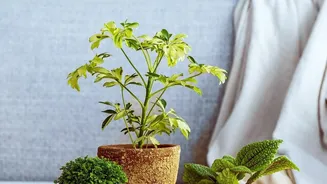







Setting Realistic Expectations
First, let's address the big question: can a few pots of plants truly purify a room? The idea gained popularity from a 1989 NASA Clean Air Study, which found that common houseplants could remove toxic chemicals like formaldehyde and benzene from the air
in a sealed laboratory chamber. However, our homes are not sealed labs. Subsequent reviews and studies have clarified that you would need a very large number of plants—potentially hundreds in a single room—to replicate those results in a typical home with natural ventilation. So, while plants are not a substitute for good ventilation, they are valuable allies. They do contribute to cleaner air, and their biggest benefits might be adding a touch of nature, boosting humidity, and simply making a space feel healthier and more alive.
The Unbeatable Snake Plant
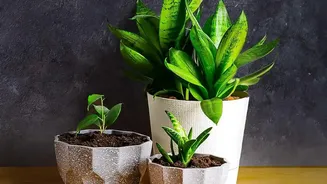
If you are going to start with just one plant, make it the Snake Plant (Sansevieria trifasciata). It's renowned for being nearly indestructible and is a star performer in air purification. It's particularly effective at filtering formaldehyde, benzene, xylene, and toluene. What makes it unique is its ability to perform a special type of photosynthesis that allows it to release oxygen at night, making it an ideal companion for the bedroom. Its tall, waxy leaves also provide a good surface area for trapping airborne dust particles. For Indian homes, its tolerance for low light and infrequent watering makes it a low-maintenance winner.
The Lush Areca Palm
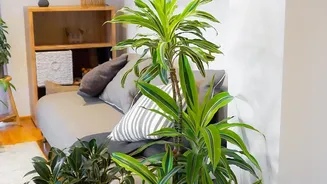
The Areca Palm (Dypsis lutescens) brings a lush, tropical feel to any space and is one of the most effective plants for removing airborne toxins. Its dense, feathery fronds are not just beautiful; they act as a natural humidifier, which can be a boon in dry, air-conditioned rooms. Its large leaf surface area is excellent for trapping dust. Areca Palms thrive in bright, indirect light, making them perfect for a well-lit living room or a covered balcony. They do require more consistent moisture than a snake plant, so be careful not to let the soil dry out completely.
The Hardy Money Plant
The Money Plant (Epipremnum aureum), or Pothos, is a staple in many Indian households for good reason. It’s incredibly easy to grow, adaptable to various light conditions, and works well against pollutants like formaldehyde. This trailing vine can be placed in hanging baskets or on top of shelves, making it a versatile choice for smaller apartments. Its smooth leaves can be easily wiped down, which is a key strategy for ensuring your plants can effectively trap dust. Like the snake plant, it's very forgiving, making it perfect for beginners.
The Elegant Peace Lily
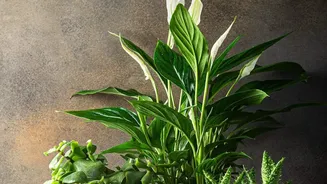
The Peace Lily (Spathiphyllum) is another top performer from NASA's list, known for its ability to help remove all major indoor air pollutants tested. Its glossy, dark green leaves and elegant white flowers make it a beautiful decorative piece. The Peace Lily also has a high transpiration rate, which helps to humidify the air. It prefers medium, indirect light and will famously 'droop' when it needs water, taking the guesswork out of its care routine. This makes it a great choice for adding both style and function to your home.
A Strategy for Dust Management
Fine dust is a major component of indoor pollution in metro areas. While plants can't eliminate it, their leaves act as natural surfaces for dust to settle on. To make this effective, a simple routine is necessary. Once a week, gently wipe the leaves of your plants with a damp cloth. For plants with many small leaves like the Areca Palm, a gentle shake or a feather duster can work. This not only removes the collected dust from the environment but also keeps the plant's pores clear, allowing it to 'breathe' and filter the air more efficiently. Think of your plants' leaves as tiny, green dust-catchers that need regular cleaning.