


The Monsoon's Underwhelming Performance
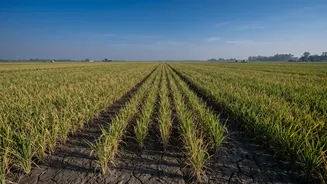
The Southwest Monsoon of 2026 has been a source of concern. After a significant 35% rainfall deficit in June, the season has struggled to catch up. By the end of August, the cumulative shortfall for the June-August period stood at around 14%. Weather
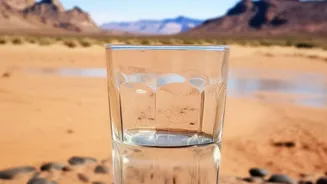
agencies like the India Meteorological Department (IMD) and Skymet have pointed to strengthening El Niño conditions as a primary reason for the suppressed rainfall. Now, the forecast for September—a critical month that typically helps top up reservoirs—predicts below-normal rainfall for most of the country, with precipitation likely to be less than 91% of the long-period average. This makes the coming weeks vital for water management.
What a Dry September Means for You
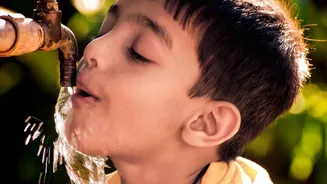
A weak end to the monsoon has direct consequences for daily life. Water levels in India's major reservoirs are already under stress. A drier September will only intensify this pressure, potentially leading to reduced water supply from municipal corporations and an increased reliance on expensive water tankers. The South Peninsula, in particular, has faced a significant rainfall deficit. This isn't just an abstract weather report; it's a reality that will soon be felt at the tap. Reduced water availability can affect everything from drinking water to daily chores, making proactive conservation essential not just for the environment, but for household budgets and stability.
In the Kitchen: Every Drop Counts
The kitchen is a great place to start saving water with minimal effort. Instead of washing fruits and vegetables under a running tap, use a bowl of water; the leftover water can then be used for houseplants. Similarly, when washing dishes by hand, avoid letting the water run continuously. Fill one basin for washing and another for rinsing. Many homes use RO purifiers, which discard a significant amount of water. This 'greywater' is perfectly usable for mopping floors or cleaning. Even small habits, like keeping a pitcher of drinking water in the fridge instead of running the tap until it gets cold, can save several litres a day.
The Bathroom Water Audit
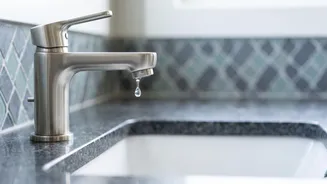
Bathrooms account for a large portion of household water consumption. The simplest change is to turn off the tap while brushing your teeth or shaving. A shower typically uses much more water than a bucket bath, which generally uses around 15-20 litres. If you prefer showers, try to keep them short. One useful trick is to see if your shower can fill a one-gallon bucket in less than 20 seconds; if it does, it might be time to switch to a more efficient, low-flow showerhead. Leaks are another major culprit. A leaky toilet can waste hundreds of litres a month. A simple way to check is to add a few drops of food colouring to the toilet tank. If the colour appears in the bowl without flushing, you have a leak that needs fixing.
Smarter Cleaning and Laundry Habits
Rethinking how we do laundry and clean our homes can lead to significant water savings. Always run your washing machine and dishwasher with a full load to maximize efficiency. Many modern machines also have 'eco' or water-saving settings that should be utilized. When it comes to cleaning floors, opt for mopping with a bucket of water rather than hosing down verandas or courtyards. Using a broom to clean driveways and sidewalks instead of a hose is another effective way to prevent wastage. For those with gardens, watering plants during the cooler hours of the morning or evening minimizes evaporation, ensuring the water goes where it's needed most.