






What is Experience-First Travel?
At its core, experience-first travel prioritises doing over just seeing. It’s the difference between taking a photo of a famous restaurant and taking a cooking class to learn its recipes. Instead of a hop-on-hop-off bus tour, it’s staying in a local neighbourhood
and exploring its hidden gems. This approach, also known as immersive or experiential travel, is about actively engaging with a destination’s culture, people, and daily rhythms. For Gen Z, born between 1997 and 2012, this isn’t just a preference; it’s a fundamental part of how they explore the world, valuing authentic connection over transactional tourism.
The Quest for Authenticity
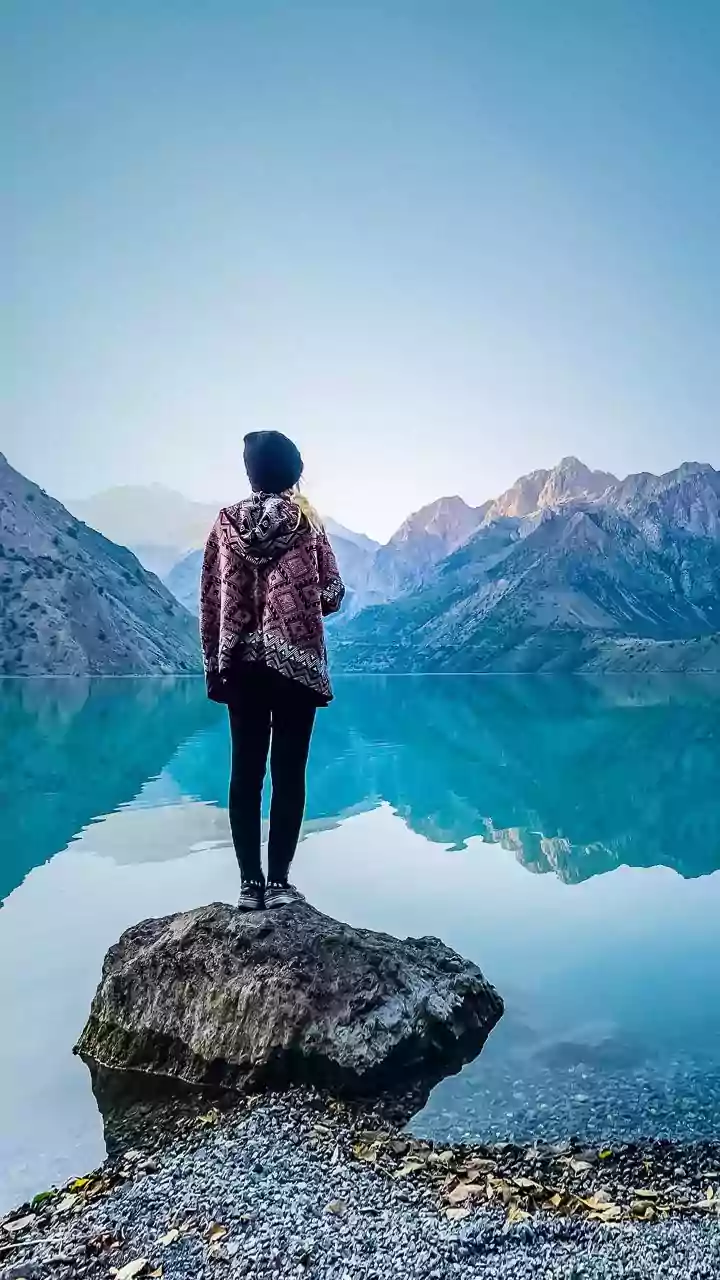
So, what’s driving this shift? A major factor is Gen Z’s deep-seated desire for authenticity. Having grown up in a digital age saturated with perfectly curated social media feeds, they’ve seen behind the curtain of staged “effortless” travel photos. As a result, they crave realness—unfiltered sunsets, genuine conversations, and the messy, unplanned moments that become the best memories. A staggering 83% of young travellers now prioritise authentic experiences over conventional tourist attractions. This quest for what feels real is a quiet rejection of the pressure to perform travel for an online audience. Instead, the journey is for personal transformation, not public consumption.
A Shortcut to Growth and Connection
The headline calls this approach a “shortcut,” which begs the question: a shortcut to what? The answer seems to be a shortcut to personal growth, cultural understanding, and self-discovery. Immersive travel challenges assumptions and pushes individuals out of their comfort zones, leading to greater self-awareness. By participating in local traditions, practicing the language, or supporting community initiatives, travellers gain a deeper appreciation for different ways of life. This model is less about the destination as a backdrop and more about the destination as a catalyst for growth. The experiences become the souvenirs, and the skills learned or perspectives gained are the real takeaways.
From 'Sight-Seeing' to 'Sight-Doing'
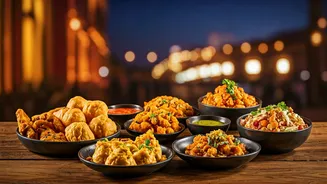
This new mindset has given rise to trends like “sight-doing” and skill-based travel. Instead of a bucket list of places, Gen Z has a skill list. This could mean learning traditional crafts, volunteering for a cause they care about, or attending a local music festival. Food has also become a central motivator, with “snackpacking” journeys planned around street food markets and local culinary experiences. Even short trips are being redefined. Driven by a desire for spontaneity, “micro-cations”—quick 24- to 72-hour getaways—are on the rise, focusing on quality of experience over quantity of days. It reflects a broader shift where travel is not a once-a-year event but an ongoing part of life.
The Indian Context and Digital Influence
In India, these trends are taking hold with a unique flavour. A recent report on Gen Z travel in India highlights a move away from viral hotspots toward undiscovered places. Young Indian travellers are increasingly booking spontaneous trips that reflect their personalities and moods, whether it's an escape to nature or a deep dive into a new food culture. While social media platforms like TikTok and Instagram are powerful tools for inspiration and planning, they are used to uncover personal, authentic experiences rather than just following the crowd. This generation uses technology to find and book unique stays and local activities that allow them to connect with a place on their own terms.