







A 'Pet-First' Mindset Takes Hold
The days of pets being an afterthought in travel plans are officially over. A profound cultural shift, often called 'pet humanization', is reshaping the Indian travel landscape. Pets are increasingly seen as integral family members, and for a growing
number of owners, a holiday without them is incomplete. This 'pet-first' mentality means that travel decisions—from the destination to the daily itinerary—now revolve around the needs and comforts of their four-legged companions. Data shows this is not a niche trend; booking platforms have seen a massive surge in searches for pet-friendly accommodation, making it one of the most used filters. This rising demand reflects a deeper emotional connection, where owners are willing to spend more and plan harder to ensure their pets can share in their travel experiences.
The Rise of the Road Trip
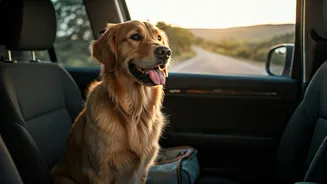
When it comes to getting around, the car is king for Indian pet owners. An overwhelming 93% of Indian travellers with pets prefer spontaneous and flexible road trips over other modes of transport. This preference is a direct response to the complexities and restrictions of air travel. Road trips offer unparalleled freedom, allowing for impromptu stops, easier management of a pet's needs, and the ability to pack all the necessary comforts of home. It’s a more relaxed and controlled environment, reducing stress for both the pet and the parent. This has led to a boom in demand for destinations accessible by car, from nearby hill stations like Manali to coastal retreats in Goa, as families hit the open road with their entire pack in tow.
Rethinking Accommodation and Itineraries
The booking process itself has changed. It's no longer enough for a hotel to simply allow pets; travellers now scrutinize what 'pet-friendly' truly means. Many travellers now prioritize pet-friendly policies above all else, with a near-equal willingness to book hotels (62%) and vacation rentals or apartments (61%) as long as their furry friends are welcome. The preference for rentals often comes from a desire for more space and flexibility. Furthermore, itineraries are being built around pet-centric activities. A recent survey showed that 64% of pet-owning travellers seek out dog-friendly beaches or cafes, 59% explore pet-friendly towns, and 48% opt for nature hikes. This proves that the trip is no longer just for the humans; it's a shared experience.
Navigating the Skies
While road trips dominate, air travel with pets is becoming more structured, though it remains complex. In India, airlines like Air India and Akasa Air have updated their policies to be more accommodating. Air India’s “Paws on Board” service, for instance, allows small pets (often up to 10kg including the carrier) to travel in the cabin on many domestic routes, a significant improvement for anxious owners. However, booking a spot for your pet isn't as simple as booking a seat for yourself. It requires advance notice (often at least 48 hours), specific documentation like health and vaccination certificates, and an IATA-compliant carrier. Larger pets are typically relegated to the cargo hold, which comes with its own set of rules, costs, and safety considerations, especially for flat-faced breeds.
Beyond a 'Pets Allowed' Sticker
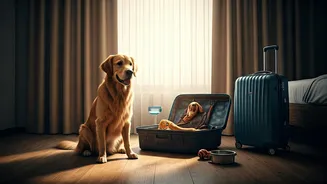
The hospitality industry is responding with more than just a welcoming sign. Leading hotel chains and boutique properties are now offering dedicated pet amenities. This can include everything from special food bowls and pet beds to curated pet menus and concierge assistance for pet needs. Some high-end hotels even offer pet-sitting services, recognizing that owners might want to do some non-pet-friendly activities. Nearly half of Indian travellers (47%) report leaving their pets at the accommodation during some excursions, making the quality of these on-site facilities a crucial factor in their booking decision. This evolution from 'pet-tolerant' to 'pet-welcoming' is a clear indicator that the industry understands the value of catering to every member of the family.