





The Chemistry of Celebration
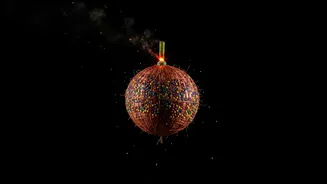
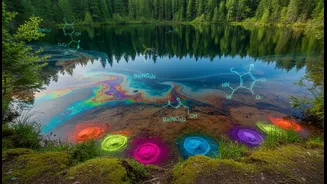
A firework's magic is pure chemistry. To achieve those vibrant colours, manufacturers use a cocktail of metal salts: strontium for red, barium for green, copper for blue, and sodium for yellow. These are packed with a fuel, usually black powder (a mix
of potassium nitrate, charcoal, and sulfur), and an oxidiser to help it burn. When ignited, this concoction creates a spectacular display, but it also releases a cloud of harmful substances. The smoke is laden with toxic metals, gases like sulfur dioxide and nitrogen oxides, and other chemical compounds such as perchlorates.
When the Smoke Doesn't Clear
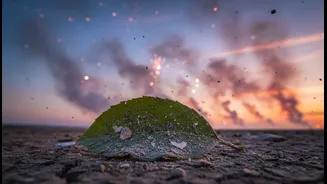
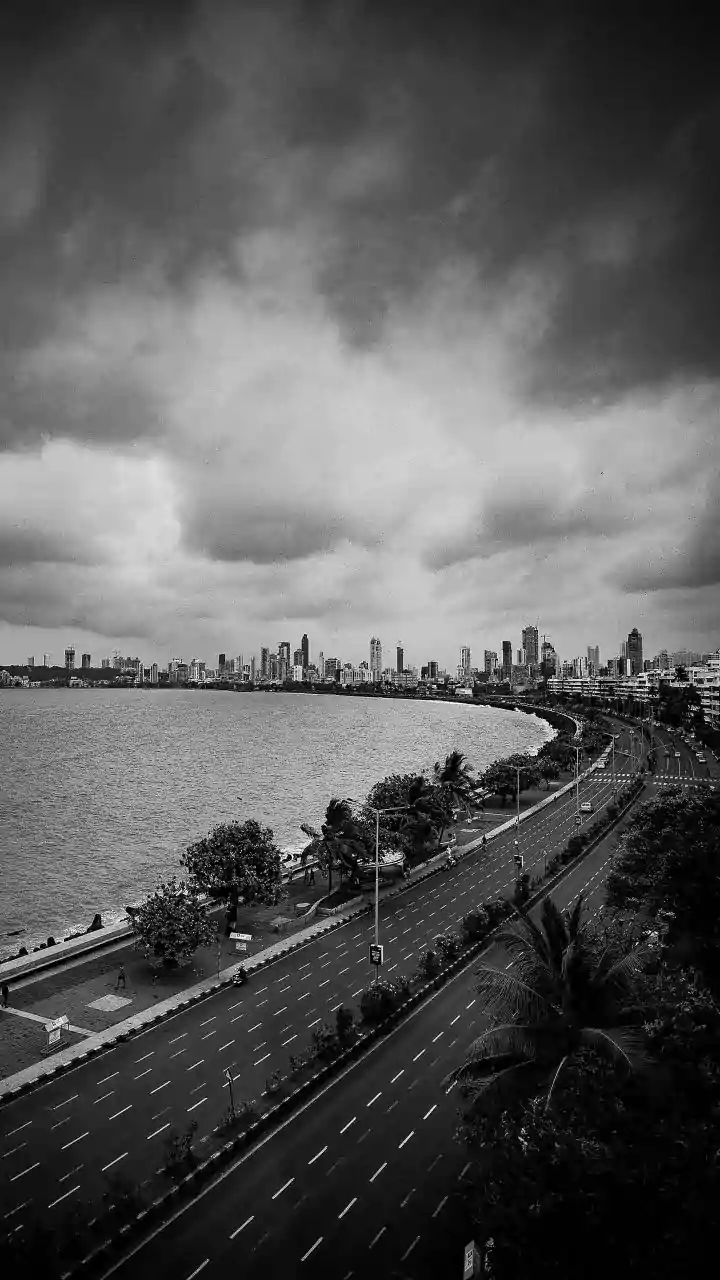
The most immediate and visible impact is on air quality. The celebratory explosions release vast quantities of fine particulate matter, specifically PM2.5. These particles are smaller than 2.5 micrometres, or about 30 times smaller than a human hair, allowing them to penetrate deep into the lungs and even enter the bloodstream. During festivals like Diwali, air quality in major Indian cities plummets. Following recent Diwali celebrations, Delhi's Air Quality Index (AQI) has been known to cross into the 'hazardous' category, with PM2.5 concentrations spiking to many times the safe limit recommended by the World Health Organization. In some instances, the particulate matter in the air has been recorded to increase up to 35 times compared to normal days.
More Than Just a Cough
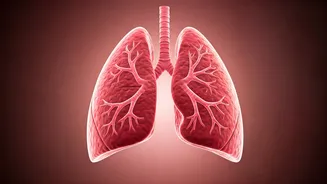
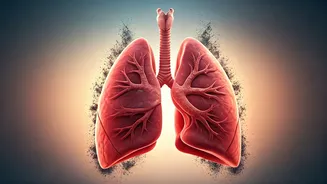
This pollution isn't just an inconvenience; it's a significant public health issue. Short-term exposure leads to a host of symptoms like coughing, breathlessness, wheezing, and irritation in the eyes and nose. For vulnerable populations—including children, the elderly, and individuals with pre-existing conditions—the risks are much higher. The fine particulate matter and toxic metals from firecrackers can worsen asthma and other chronic lung diseases, and have been linked to cardiovascular problems and even premature death. Studies have shown that even short-term exposure can damage the delicate lining of the respiratory tract in babies, potentially affecting lung development and increasing the risk of chronic issues later in life.
The Green Cracker Debate
In response to the growing crisis, the concept of 'green crackers' has emerged. Developed by institutions like the Council of Scientific and Industrial Research (CSIR), these are formulated to reduce emissions by about 30% and avoid the most toxic components like barium nitrate. The goal is to provide a less harmful alternative to balance tradition with environmental responsibility. To ensure authenticity, certified green crackers come with a QR code. However, experts caution that 'less harmful' does not mean harmless. Green crackers still release pollutants and ultrafine particles. Given the already poor baseline air quality in many cities, even a reduced level of pollution adds to a critical problem, leading many to see them as a transitional step rather than a final solution.