




The Divine Glow of Gold in the South
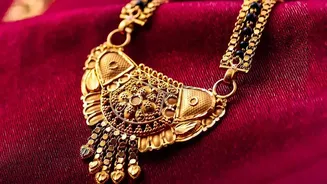
In South India, gold is not merely a precious metal; it is considered a sacred substance, an embodiment of divinity and prosperity. Deeply linked with Goddess Lakshmi, the deity of wealth and fortune, gold is believed to attract blessings and positive
energy. This reverence is visible in nearly every significant life event, from birth ceremonies to weddings, where gold is gifted to ensure security and good fortune for the bride. The tradition of temple jewellery, which originated during the Chola dynasty, exemplifies this connection. These intricate pieces, often depicting gods, goddesses, and mythological motifs, were originally crafted to adorn deities in temples before being adopted into bridal and dance traditions. Designs like the 'Kasulaperu' (coin necklace) and 'Mango Mala' are not just beautiful but are laden with symbolism, representing wealth and fertility, respectively. For many South Indian families, gold is the ultimate heirloom, a tangible link carrying ancestral blessings and cultural pride through generations.
The Cool Sheen of Silver in the West and North
While gold dominates the south, silver reigns supreme in the arid landscapes of Rajasthan and Gujarat, and among many tribal and nomadic communities across North India. Silver is culturally associated with the moon, representing coolness, calmness, and serenity. This makes it symbolically opposite to gold, which is linked to the sun's heat. According to Ayurvedic and spiritual beliefs, silver helps regulate body temperature and channel grounding energy, which is why it's traditionally the preferred metal for ornaments worn on the feet, like anklets (payals) and toe rings (bichiya). In communities like the Banjaras and Rabaris, heavy, oxidized silver jewellery is a bold statement of identity and social standing. Historically, silver was also a more accessible form of wealth and financial security for these groups. The craftsmanship is distinct, featuring chunky, intricate designs that carry an earthy, powerful aesthetic, reflecting the rugged beauty of the region and the resilience of its people.
The Narrative Power of Beads in the Northeast
In the hills of Northeast India, particularly in states like Nagaland and Arunachal Pradesh, beads are the primary storytellers. Far from being simple decorations, beadwork is a complex visual language that communicates a person's tribe, clan, social status, and even personal achievements. For Naga tribes, a necklace isn't just an accessory; it's a certificate of identity and a repository of prayers and ancestral history. The materials themselves are significant, ranging from locally sourced seeds and stones to rare glass beads acquired through ancient trade routes from as far as Venice. Multi-strand necklaces worn by women can signify the wealth and status of her family, and in some communities, beads were the only form of personal wealth a woman could inherit. Specific colours and patterns are unique to each tribe, making their jewellery instantly recognizable. Ornaments made of boar tusks or brass heads could even narrate a warrior's prowess in hunting or battle, making the wearer's body a canvas for their life story.
A Tapestry of Traditions
It's important to remember that these traditions are not rigid. Gold is cherished across India, silver filigree work is famous in the East, and beads are part of folk traditions everywhere. However, the cultural emphasis shifts dramatically from one region to another. Gold's link to divinity and marital prosperity is strongest in the South. Silver's connection to the earth, coolness, and tribal identity is most prominent in the West and North. Beads hold the most profound narrative and social-coding power in the Northeast. Today, as styles intermingle and designers draw inspiration from every corner of the country, these lines are beautifully blurred. A bride in Delhi might wear temple jewellery from the South, while a fashionista in Mumbai might pair a silver tribal necklace with a modern outfit. This blending reflects a larger story about India itself—a place where diverse traditions constantly interact, creating a cultural tapestry that is both ancient and ever-evolving.









