








Understanding Genetic Hearing Loss
Hearing loss affects over 1.5 billion people globally, and for a significant number, the cause is written in their DNA. Up to 60% of hearing loss in newborns has a genetic origin. These are not always inherited from a parent with hearing loss but can result
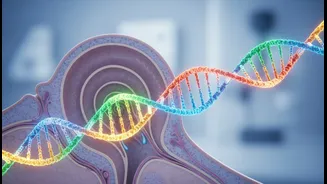
from specific genetic mutations. One such mutation, affecting the OTOF gene, prevents the body from producing a crucial protein called otoferlin. This protein acts as a bridge, helping transmit sound signals from the sensory hair cells in the inner ear to the brain. Without it, a child can be born with profound deafness despite the ear's structures being otherwise healthy.
A Groundbreaking New Treatment
For decades, the main options for profound congenital hearing loss have been hearing aids or cochlear implants—devices that assist hearing but don't fix the underlying biological issue. Gene therapy changes this by going directly to the source. Recent clinical trials have shown remarkable success by delivering a functional copy of the OTOF gene directly into the inner ear. This is done using a modified, harmless virus as a delivery vehicle. Once inside the inner ear cells, the healthy gene enables the production of the missing otoferlin protein, effectively restoring the communication link between the ear and the brain. In recent trials, a majority of young patients treated showed significant hearing improvement, with some achieving normal hearing levels that have been sustained for years.
The Dawn of Precision Medicine
This gene therapy is a powerful example of precision medicine in action. Instead of a one-size-fits-all approach, it's a highly targeted treatment designed for a specific genetic condition. The success of OTOF gene therapy relies on knowing the exact genetic cause of a person's hearing loss. This specificity is the hallmark of precision medicine: using a person's unique genetic information to guide diagnosis and treatment. The breakthrough opens the door for developing similar therapies for other forms of genetic hearing loss, of which there are over 150 known gene-related types. It marks a shift from managing symptoms to correcting the root cause of a disease at the molecular level.
Transforming the Future of Hearing Care
The arrival of gene therapy heralds a new era for audiology and hearing care. It offers the potential for a one-time treatment that could provide a lifetime of natural hearing, reducing the reliance on external devices like cochlear implants. For children treated early, this could mean developing speech and language skills on a typical timeline, which is crucial for cognitive and social development. While cochlear implants remain an excellent and life-changing technology, gene therapy aims to restore the ear's biological function, offering a different quality of hearing. This advancement pushes the entire field forward, creating a future where restoring hearing, not just amplifying sound, becomes a primary goal.
The Crucial Role of Genetic Diagnosis
This medical advance places a new and powerful emphasis on the importance of genetic diagnosis. To determine if a patient is a candidate for a therapy like the one for OTOF mutations, doctors must first identify the specific gene causing the hearing loss. Therefore, comprehensive newborn screening and genetic testing become essential tools not just for diagnosis, but for treatment planning. Knowing the genetic cause allows doctors to predict the potential progression of hearing loss and choose the most effective intervention, whether it's a specific gene therapy, a cochlear implant, or another approach. This makes genetic counseling and testing a vital first step in modern hearing care for children.