






An Appetite for Authenticity
Modern travelers are increasingly sidestepping the predictable, heavily marketed tourist traps. There is a palpable fatigue with experiences that feel staged or disconnected from the local pulse. Instead, there's a growing desire to engage with a destination
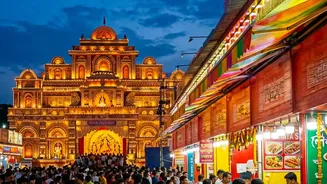
on its own terms. Food walks serve as a direct answer to this craving. They offer an unscripted glimpse into the daily life of a city, taking visitors to the humble, family-run stalls and hidden-gem eateries that they would likely never find on their own. This is not just about eating; it's about participating in the local rhythm, observing everyday interactions, and experiencing a place through the eyes of the people who live there. This search for authentic culinary experiences is a significant driver of India's booming culinary tourism market, which is projected to grow substantially in the coming years.
Food as the Universal Language
More than any museum or monument, food tells the story of a culture. It reflects a region's history, geography, and traditions in every bite. Food walks transform a meal from a simple necessity into a rich narrative experience. A knowledgeable local guide can explain why a certain spice is used, how a particular dish became a festival staple, or the story behind a street vendor's decades-old family recipe. This transforms the act of eating into an act of learning and connection. In a bustling metro where language and customs can be barriers, sharing food becomes a powerful and universal form of communication, creating a sense of camaraderie between travelers and locals.
The Power of 'Community-Led'
The 'community-led' aspect of these tours is a crucial part of their appeal. Unlike large, corporate tour operations, these walks are often run by local foodies, chefs, or entrepreneurs who have an intimate connection to their neighbourhood. This ensures that the money spent flows directly back into the local economy, supporting small, family-owned businesses rather than multinational chains. Travelers today are more conscious of their impact, and choosing a community-led tour is a way to ensure their tourism dollars contribute positively and sustainably. It's a model that fosters economic resilience, preserves culinary traditions, and provides employment, especially for youth and women within the community.
A Curated Path Through Urban Chaos
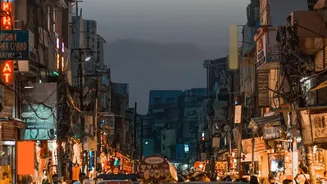
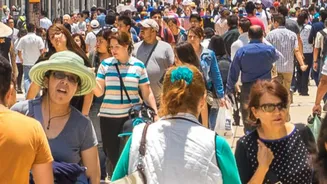
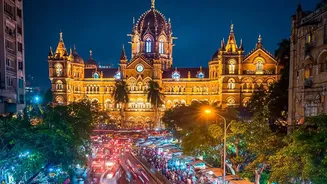
Large Indian metros like Delhi, Mumbai, or Jaipur can be overwhelming for a first-time visitor. The sheer density, energy, and array of choices can lead to a kind of decision paralysis. A food walk offers a structured yet flexible way to navigate this vibrant chaos. It provides a curated itinerary of vetted, high-quality, and safe-to-eat street food and local delicacies. This removes the guesswork and anxiety of choosing where to eat, allowing travelers to relax and immerse themselves in the sensory experience. It's an efficient way to sample a wide variety of dishes in a short amount of time, maximizing the culinary discovery process without the stress of independent exploration.