



An Uneven and Underwhelming Monsoon
The India Meteorological Department (IMD) has forecast a 'below-normal' monsoon for 2026, predicting seasonal rainfall at around 90-92% of the Long Period Average. This has been driven largely by the development of moderate El Niño conditions, a climate
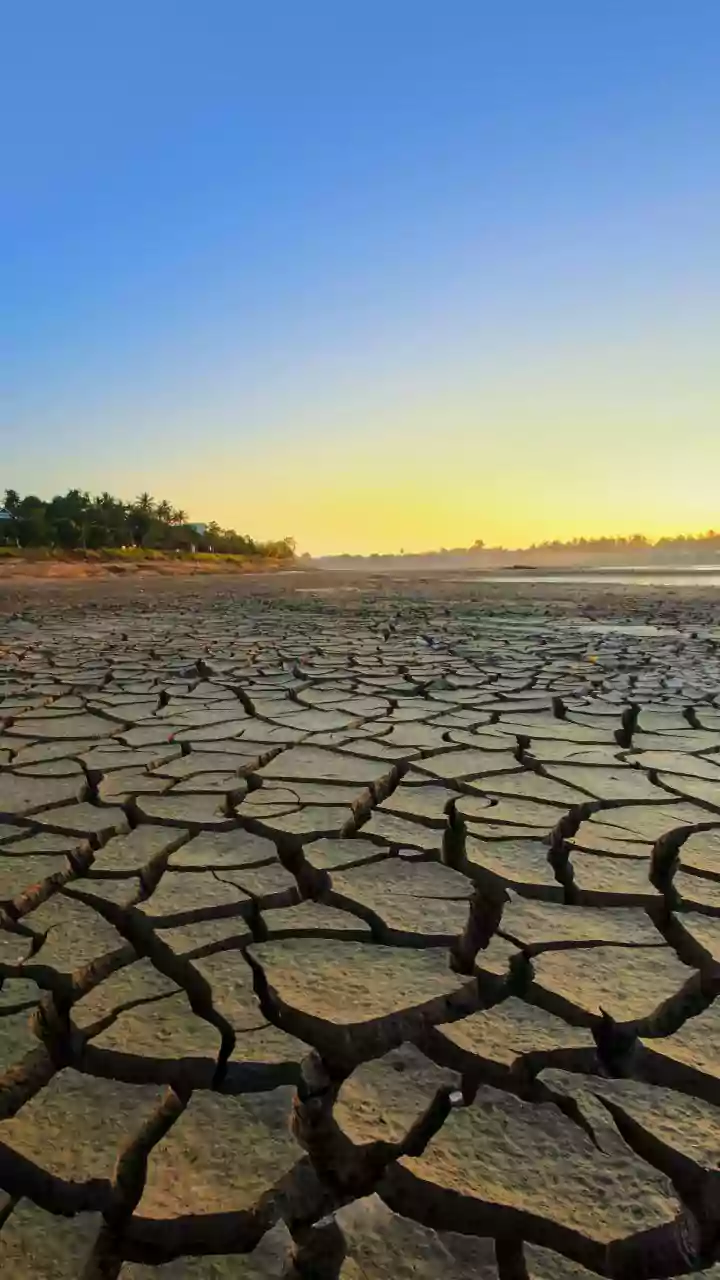
pattern known for suppressing monsoon rainfall in India. While July saw a slight recovery in rainfall, particularly in Central India, the season started with a significant deficit in June and cumulative rainfall remains below normal. As of early August, the cumulative seasonal rainfall was 12% below the long-period average, with forecasts for August also suggesting below-normal rain. The uneven distribution is critical, with nearly half of the country's districts facing deficient rainfall, which directly impacts agricultural activities that depend heavily on these seasonal rains.
From Paddies to Pulses: The Crops at Risk
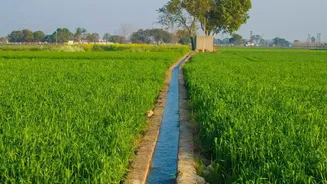
The monsoon is crucial for India's 'kharif' or summer crops, which are sown during this season. A weak and erratic monsoon directly threatens the output of staples that form the backbone of the nation's food security. As of mid-August, overall kharif sowing was lagging behind last year's figures. The acreage for rice, a water-intensive crop, has seen a notable decline. The sowing of pulses and oilseeds has also been affected, though some categories like urad and sunflower have shown an increase. However, key crops like soybean have seen a reduction in planted area. Lower yields for these fundamental crops due to water stress can lead to supply shortages, putting direct upward pressure on prices. Agriculture accounts for about 15% of India's GDP, and nearly half the farmland lacks irrigation, making the monsoon's performance a critical variable for the rural economy.
The Ripple Effect on Reservoir Levels and Food Inflation
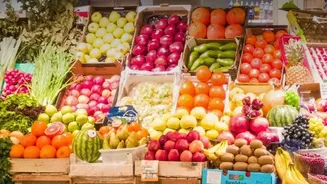
The impact of a weak monsoon extends beyond just crop sowing. It also affects the water levels in India's major reservoirs, which are vital for irrigation for the next crop cycle (rabi) and for drinking water supply. As of early August 2026, reservoir storage across the country was slipping compared to the previous year, with significant year-on-year declines in the southern, central, and northern regions. This dip raises concerns for future agricultural output. Even before the full impact of the monsoon's performance is felt, food inflation has been a concern. In July 2026, India's retail food inflation rose to 5.52%. Prices of vegetables like onions, ginger, and garlic have already seen sharp increases. Analysts note that a deficient monsoon could add significantly to food inflation, which directly impacts household budgets across the country.
Government on Watch: Potential Counter-Measures
The government is not a passive observer in this scenario. India maintains significant buffer stocks of essential grains like wheat and rice, which can be released into the market to cool down prices and ensure availability. If domestic production of items like pulses or oilseeds falls sharply, the government can ease import norms to supplement supplies. Monitoring and cracking down on hoarding, which can create artificial scarcity, is another tool at its disposal. Furthermore, support schemes for farmers, including crop insurance and advisories, are designed to mitigate the impact of adverse weather. The Reserve Bank of India is also watching inflation closely, as a sustained spike in food prices could complicate its monetary policy decisions, potentially delaying any interest rate cuts or even forcing a hike if pressures become broad-based.