





The Monsoon's Final Performance
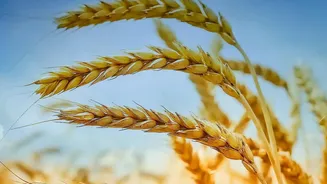
The Rabi crop season, which gives India its staple wheat, mustard, and gram, is heavily dependent on the conditions left behind by the southwest monsoon. September marks the withdrawal phase of this four-month rainy season. The India Meteorological Department
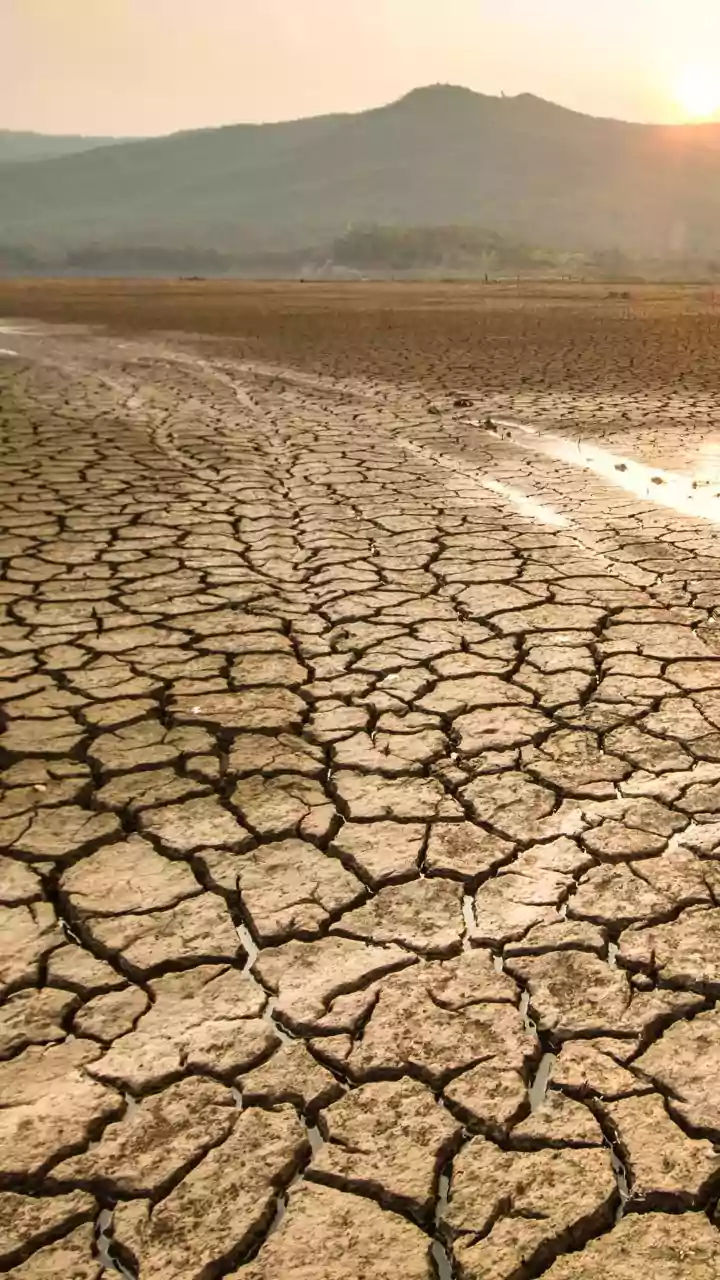
(IMD) has indicated that the monsoon withdrawal is expected to commence around September 19 this year, a slight delay from the normal date of September 17. While the monsoon's exit is imminent, the final spells of rain this month are vital. However, the 2026 season has been erratic, influenced by strengthening El Niño conditions. As of mid-September, the country faced an overall rainfall deficit of about 15%, with significant shortfalls in southern, eastern, and northeastern states. This deficit during the tail-end of the season means many regions may not get the final hydrating boost they need.
Water in the Bank: Reservoir Levels
September's rainfall is crucial for topping up India's major reservoirs, which act as the country's water savings accounts for the dry winter months. These reservoirs are the primary source of irrigation for Rabi crops. This year, the situation is mixed. While recent rains have improved levels in western and central India, storage in northern and southern regions remains sharply below normal. As of September 10, the combined storage in India's 178 monitored reservoirs was at 70.66% of capacity, which is nearly 7% below the long-term average and over 20% lower than the same period last year. Key reservoirs in North India, like Bhakra and Pong, ended their filling season on September 15 with levels significantly lower than in 2025. This uneven and overall weaker reservoir position is a cause for concern, particularly for southern states that are heavily dependent on them for irrigation.
The Foundation for Sowing: Soil Moisture
Beyond reservoirs, the monsoon's parting gift is residual soil moisture. This moisture is the lifeblood for germinating Rabi seeds, especially in rainfed agricultural zones that lack extensive irrigation networks. The sowing for Rabi crops like wheat, barley, and peas typically begins in October and November. The success of this initial sowing phase is directly tied to the amount of moisture retained in the soil from September's rains. An overall monsoon deficit, particularly in states like Punjab, Haryana, and Bihar, could mean farmers face drier-than-ideal soil conditions. This might force them to either delay sowing, which can impact yields, or switch to less water-intensive crops. While some reports noted favourable moisture levels ahead of the season, the widespread rainfall deficits remain a significant risk.
The Farmer's Economic Calculation
September is also when farmers begin making critical economic decisions for the Rabi season. A key factor in this calculation is the government's announcement of the Minimum Support Prices (MSP) for winter crops. For the 2026-27 marketing season, the government has already announced a hike in MSP for all mandated Rabi crops, including wheat, barley, mustard, and lentils. This price signal encourages farmers to invest in cultivation, providing a safety net against market price crashes. For instance, the MSP for wheat has been raised by ₹160 per quintal, while mustard has seen a hike of ₹250 per quintal. This policy decision, made ahead of the sowing season, aims to ensure remunerative prices and incentivise crop diversification, which is crucial for the agricultural economy's resilience.