
The Problem with a Rigid Schedule
More houseplants die from overwatering than any other cause, and rigid schedules are often the culprit. A plant's thirst isn't constant; it changes based on light, humidity, temperature, pot size, and time of year. Watering every week, regardless of conditions,
can mean the soil stays soggy. This starves the roots of oxygen, leading to root rot—a condition where roots become mushy, black, and unable to absorb water, ironically causing the plant to wilt as if it were thirsty. A fixed schedule ignores the dynamic nature of a living organism and its environment. What works in a hot, dry summer will likely drown the same plant in a cooler, darker winter when its growth and water usage slow down.
How to 'Read' Your Soil
The most reliable way to know if your plant needs water is to check the soil directly. The finger test is the simplest method: stick your index finger about two inches into the soil. If it feels dry at your fingertip, it's time to water. If it feels cool and moist, you can wait. For a deeper check, a simple wooden skewer or chopstick can be used. Insert it deep into the pot, leave it for a moment, and pull it out. If it comes out clean and dry, the plant is thirsty. If it comes out with damp soil clinging to it, there's still plenty of moisture. Over time, you may even learn the 'lift test'—a watered pot is significantly heavier than a dry one.
Decoding Your Plant's Signals
Beyond the soil, the plant itself offers clues. However, these can be tricky. Wilting, for instance, can signal both overwatering and underwatering. The key difference is in the leaves and soil. An underwatered plant's leaves will feel dry and crispy, and the soil will be bone dry. An overwatered, wilting plant will have soft, limp leaves, and the soil will be soggy. Yellowing leaves are another common sign. If lower leaves are turning yellow and the plant seems limp, overwatering is a likely cause. In contrast, brown, crispy leaf edges often point to a lack of water. Paying attention to these subtle differences helps you diagnose the problem correctly.
Factors That Affect Thirst
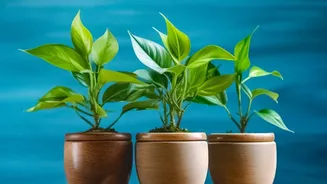
Understanding why your plant's water needs fluctuate is key to breaking free from the schedule. The type of pot is a major factor; porous materials like terracotta wick moisture away and dry out quickly, while plastic or glazed ceramic pots retain moisture much longer. The type of soil also plays a role, with sandy mixes drying faster than heavy, water-retentive ones. Plants in bright, direct sun will use water much faster than those in low-light conditions. Similarly, higher temperatures, low humidity, and wind all increase a plant's water needs. Even the plant's maturity matters, as young, newly established plants require more consistent moisture than mature ones with deep root systems.
Watering the Right Way
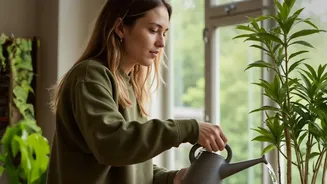
When you've determined it's time to water, do it thoroughly. Avoid shallow, frequent watering, which encourages a weak, shallow root system. Instead, apply water until it flows freely from the pot's drainage holes. This ensures the entire root ball is saturated. After about 15 minutes, be sure to discard any excess water from the saucer to prevent the plant from sitting in a puddle, which can lead to root rot. Watering in the morning is generally best, as it gives the plant the day to absorb the moisture and allows excess water on the foliage to evaporate, reducing the risk of fungal diseases.