



The 'Slower' Imperative: Why Speed Kills on Wet Roads
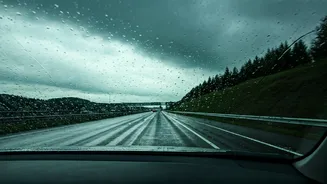
The most crucial adjustment to make when driving in the rain is to reduce your speed. [3] It’s a simple rule, but one rooted in physics. Wet roads dramatically reduce the friction between your tyres and the asphalt, meaning your vehicle takes longer to stop.
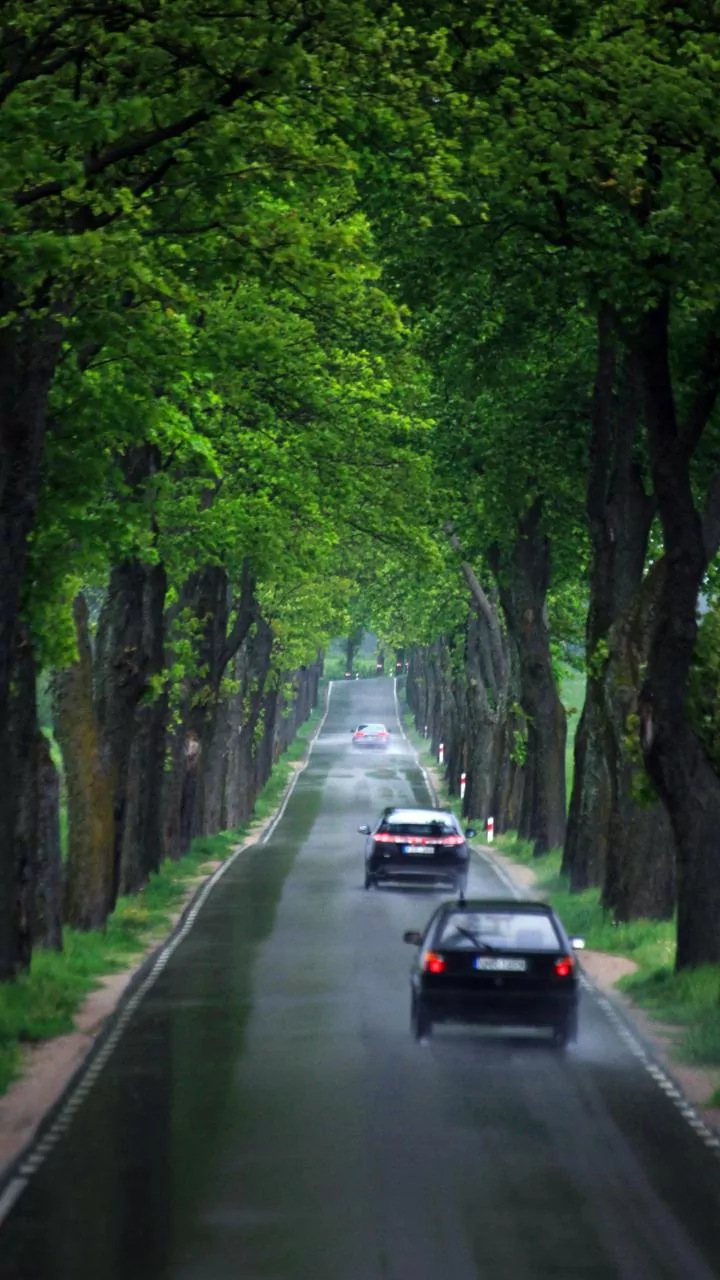
Braking distances can double in wet conditions compared to dry roads. [24, 27] This means a stop that takes 14 metres at 50 km/h in the dry could require 28 metres or more in the rain. [21] The first rain after a dry spell is often the most dangerous, as it mixes with oil and dust on the road to create an exceptionally slippery film. [6] Slowing down gives you more time to react to hazards and helps prevent the most common wet-weather accidents. [3, 11]
The 'Smarter' Vehicle Check: Your First Line of Defence
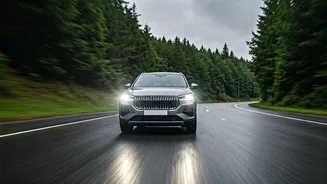
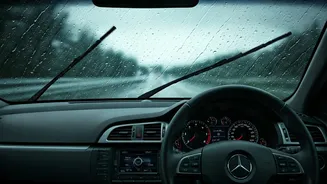
Smarter driving begins before you even turn the key. A pre-monsoon vehicle check is essential. [11] Your tyres are the single most critical safety component in the rain. [7] The grooves in their tread are designed to channel water away, allowing the rubber to grip the road. [4, 14] If the tread is worn down—experts recommend a minimum depth of 3mm for the monsoon—your car is at high risk of losing traction. [3, 11] Equally important are your windscreen wipers; replace them if they leave streaks or seem hardened. [15] Finally, ensure all your lights are working. Use your low-beam headlights in the rain, even during the day, to see and be seen by other drivers. [3, 9]
Understanding Hydroplaning: When Your Car 'Floats' on Water
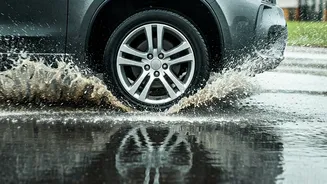
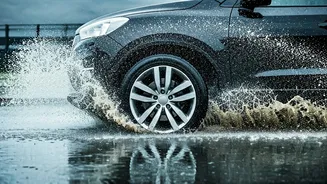
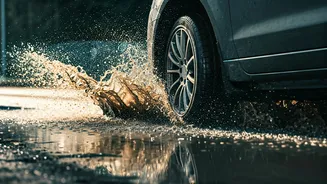
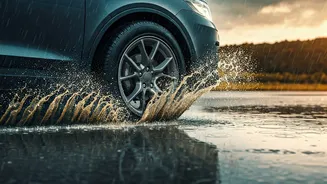
Hydroplaning, or aquaplaning, is a terrifying experience where your tyres lose contact with the road and skim across the surface of the water. [8, 10] This loss of traction means you can't steer, brake, or accelerate. [8] It can happen at speeds as low as 55-60 km/h, especially with worn or underinflated tyres. [8, 10] The key to avoiding it is to slow down, ensure your tyres have adequate tread depth, and avoid driving through large puddles or standing water. [2, 10] If you do start to hydroplane, stay calm. Do not slam on the brakes or jerk the steering wheel. Instead, gently ease your foot off the accelerator and steer straight until your tyres regain contact with the road. [10, 12]
Mastering Distance and Visibility: See and Be Seen
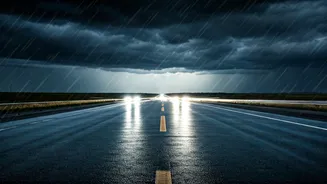
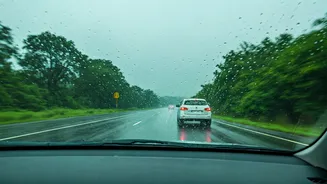
On wet roads, increasing your following distance is non-negotiable. The standard two-second rule for dry conditions should be doubled to at least four seconds in the rain. [26] This extra space provides the buffer you need for longer braking distances and gives you more time to react to sudden stops. [11, 24] Visibility is another major challenge. Rain and spray from other vehicles, especially heavy trucks, can make it incredibly difficult to see. [24] Using your air conditioner or defogger can keep your windows from fogging up inside. [18] It's also wise to drive in the tracks left by the vehicle ahead, as this path will have less standing water. [2, 8]
Navigating Indian Monsoon Challenges
Driving in the Indian monsoon presents unique hazards. Waterlogged roads can conceal deep, car-damaging potholes, and it's often impossible to judge the depth of standing water. [3, 20] As a rule, if you can't see the road surface or the water is above the centre of your wheels, it's best to find an alternative route. [20] Driving through deep water can not only stall your vehicle but also lead to a catastrophic engine failure known as hydro-locking if water enters the air intake. [17, 20] Be extra vigilant for two-wheelers and pedestrians who are more vulnerable and harder to spot in heavy rain. [17] Sudden, gentle braking and smooth steering are essential to maintain control on unpredictable surfaces. [6, 11]