






The Compression Cube Difference
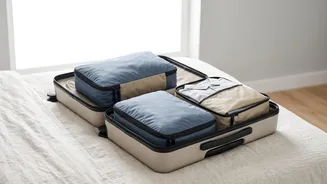
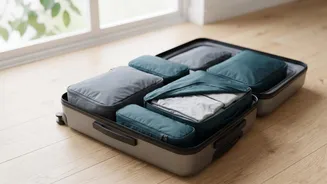
First, let's clarify: compression cubes are not the same as standard packing cubes. While regular cubes are fantastic for organisation, compression cubes have a secret weapon: a second zipper. You pack the cube as normal, close the main zip, and then
use the second, outer zipper to squeeze the cube, forcing out excess air and reducing the overall volume of your clothes. They are specifically designed to make bulky items more compact, turning a puffy jacket or a stack of T-shirts into a dense, manageable block.
Choosing the Right Cubes
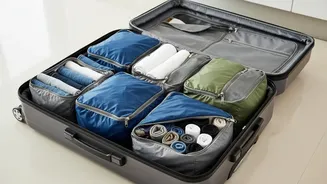
Not all cubes are created equal. Look for a set made from durable, lightweight material like ripstop nylon to avoid adding unnecessary weight to your bag. Check for strong, snag-free zippers, as they will be under significant pressure. It is wise to purchase a set with various sizes. A large cube is perfect for sweaters and trousers, a medium one for T-shirts and dresses, and a small one for underwear and socks. This variety allows you to categorise items and fit them into your carry-on like a game of Tetris, eliminating wasted space.
The Art of the Roll
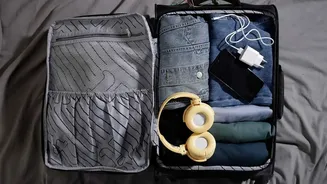
To truly maximise the power of compression cubes, rolling your clothes is non-negotiable. Rolling, rather than folding, is more space-efficient and helps minimise hard creases. Tightly rolled clothes can be arranged side-by-side in the cube like a tray of logs, allowing you to see every item at a glance. This method works best for casual items like T-shirts, jeans, knitwear, and shorts. For more structured items like dress shirts, a careful fold might be better, but for the bulk of your carry-on contents, rolling is the superior technique.
A Warning: Space, Not Weight
This is the most critical rule of compression packing: cubes save space, not weight. They make your clothes take up less room, but the mass remains the same. This is crucial for budget airline travel in India, where carry-on weight limits are strictly enforced. Airlines like IndiGo, SpiceJet, and Akasa Air typically have a cabin baggage allowance of just 7 kg. Compression cubes can tempt you to pack more items, potentially pushing you over that limit. Always weigh your packed carry-on before leaving for the airport. The goal is to pack efficiently within the weight limit, not just to fit more things.
Your Step-by-Step Packing Strategy
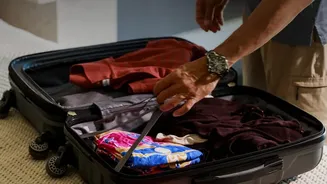
Ready to pack? Start by laying out everything you plan to take. Group similar items together. Tightly roll the clothes for each category and place them in the appropriate cube. Don't overfill it; the cube should close without a major struggle. Once the main zipper is closed, slowly and carefully close the outer compression zipper, pressing down on the cube to help expel air as you go. You will see the cube shrink in height. When packing your suitcase, place heavier cubes at the bottom, near the wheels, to keep the bag stable and prevent it from tipping over.
Do Compression Cubes Cause Wrinkles?
Because compression cubes squeeze clothes tightly, they can cause more wrinkles than regular packing cubes, especially with fabrics prone to creasing. However, the rolling method helps mitigate this. For wrinkle-resistant fabrics like wool, polyester, and jersey knits, you will have no issues. For items you are concerned about, like a formal shirt, consider placing it in a separate, non-compressed cube or garment folder. The key is to unpack and hang your clothes as soon as you arrive at your destination to let any minor creases fall out.