


Understanding Ecologically Sensitive Zones
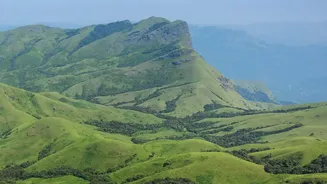
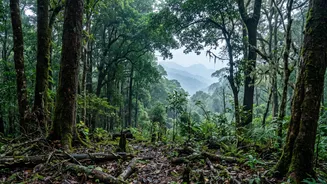
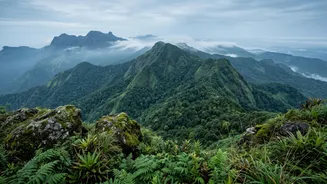
Ecologically Sensitive Zones (ESZs) are areas identified for protection due to their significant biodiversity and fragile ecosystems. In Kerala, much of the focus has been on the Western Ghats, a UNESCO World Heritage Site and one of the world's eight
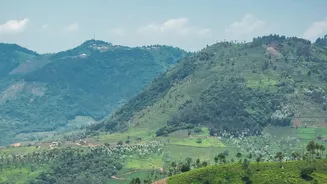
'hottest hotspots' of biodiversity. Foundational reports by the Western Ghats Ecology Expert Panel (WGEEP), chaired by Madhav Gadgil, and a subsequent high-level working group led by K. Kasturirangan, sought to demarcate these zones to regulate activities like mining, quarrying, and large-scale construction. The goal has always been to strike a delicate balance: protecting the environment that provides clean air and water while accommodating the livelihood needs of the local population. Recently, the state has proposed to reduce the total area designated as ESA to around 8,590 square kilometres, aiming to exclude inhabited areas, plantations, and agricultural land from stringent regulations.
The Escalating Climate Threat
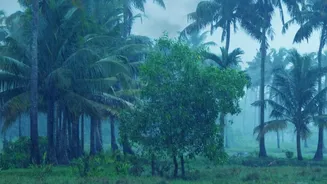
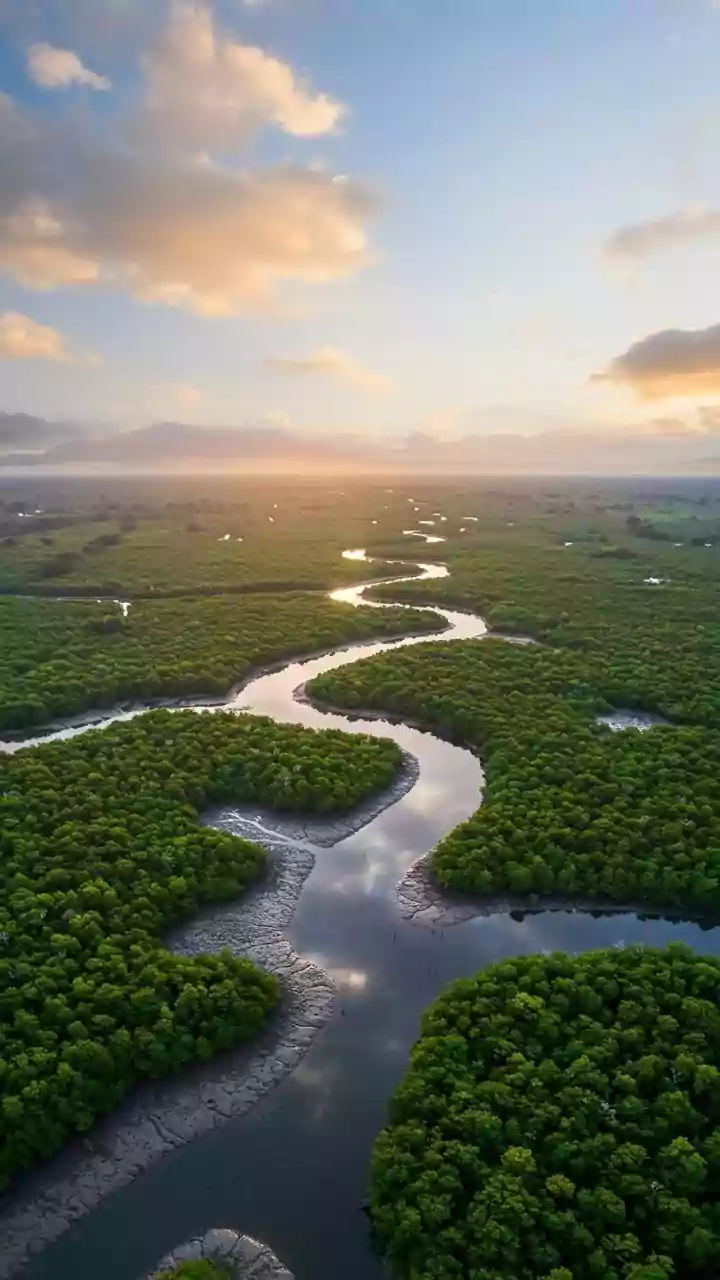
Climate change is no longer a distant threat for Kerala; it is a lived reality. Scientific assessments confirm that human-caused climate change is making monsoon downpours more intense. Studies following the catastrophic Wayanad landslides found that extreme rainfall events were made heavier by global warming, increasing the risk of such disasters. The state is witnessing a worrying pattern of erratic weather, from prolonged dry spells to extreme single-day rainfall events that can trigger floods and soil erosion. Temperatures are also rising, impacting everything from human health to agricultural cycles. The state's coastal areas are equally vulnerable, facing rising sea levels that threaten to salinate groundwater, erode shorelines, and endanger coastal communities and ecosystems like mangroves.
Impacts on Livelihoods and Biodiversity
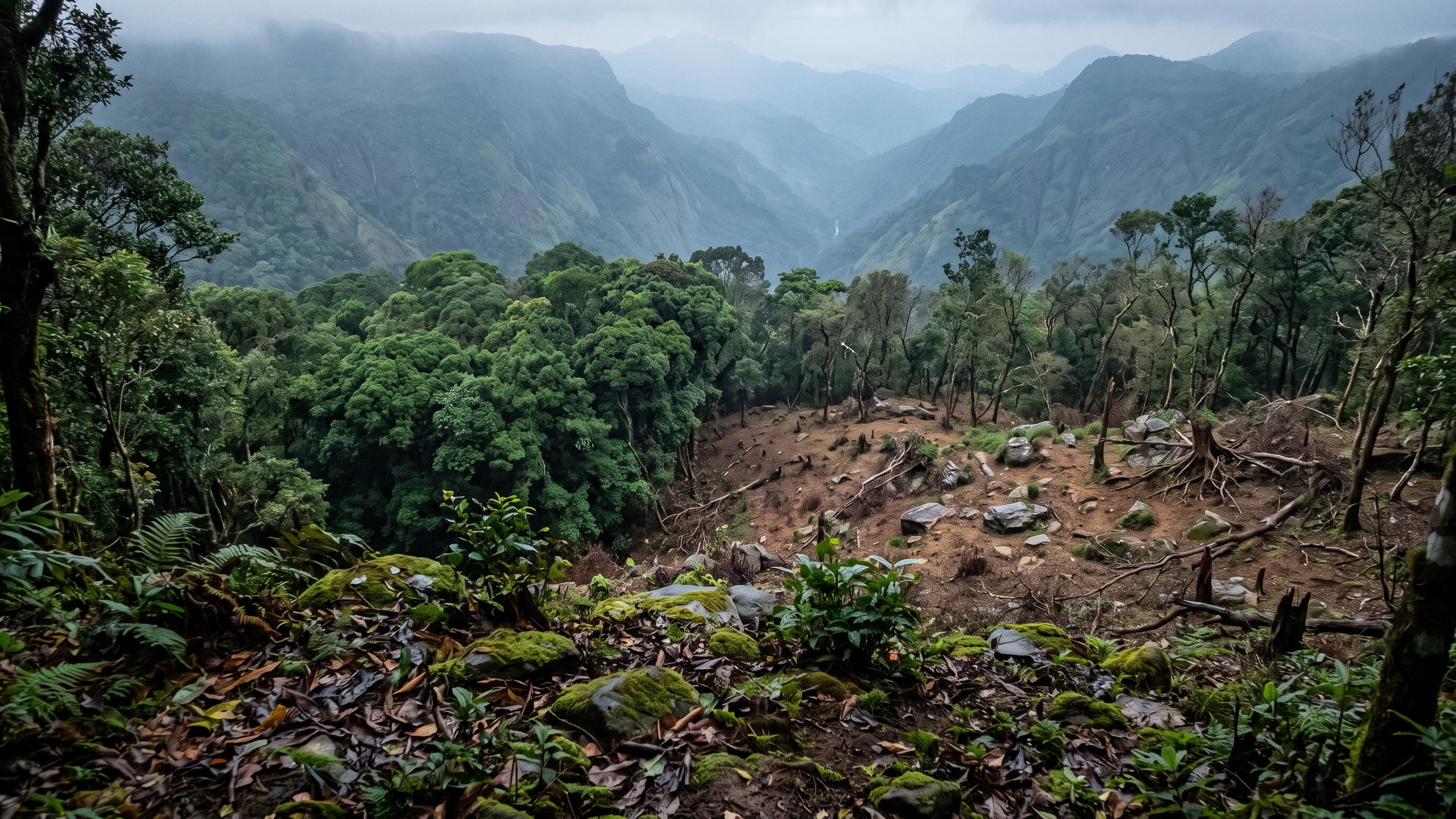
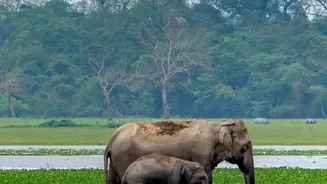
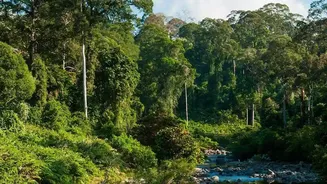
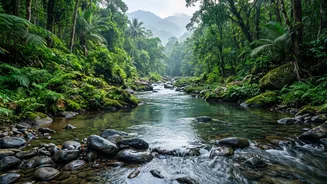
The ecological shifts are having profound socio-economic consequences. Kerala's agricultural sector, a cornerstone of its economy, is highly vulnerable. Studies have shown that rising temperatures and unpredictable rains are leading to a decline in the yield of major crops like rice, coffee, and black pepper, with some projections suggesting that large areas may become unsuitable for these crops in the future. This threatens the food security and income of thousands of smallholder farmers. The state's rich biodiversity is also in peril. According to state-level reports, a significant portion of Kerala's native species are threatened, and climate change could accelerate their decline by altering habitats. For example, tropical riparian evergreen forests in the Western Ghats have lost a staggering 83% of their extent over the last century.
A New Era of Assessment
In response to these mounting pressures, Kerala is pioneering new methods of environmental assessment. On October 14, 2026, the Kerala State Biodiversity Board launched India's first state-level Red List Assessment of Ecosystems. This one-year project moves beyond protecting individual species to assessing the collapse risk of entire ecosystems, from forests and rivers to coastal habitats. The goal is to create detailed risk registers and ecorestoration priority maps that can be used by local panchayats and Biodiversity Management Committees for evidence-based conservation planning. This initiative runs parallel to other efforts, such as the Climate-Resilient and Energy-Efficient Agriculture (CREEA) report released in 2025, which provides a blueprint for a low-carbon farm economy. These assessments are crucial for developing targeted, nature-based solutions to mitigate floods, landslides, and coastal erosion.