





The Joy Factor
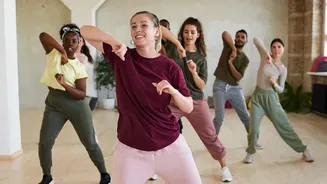
The primary reason many people quit an exercise routine is boredom. This is where dancing often has a distinct advantage. The combination of music, self-expression, and, in many cases, social interaction creates a powerful incentive to keep showing up.
Studies suggest that the artistic and social elements of dance can significantly boost psychological wellbeing, making it feel less like a chore and more like a recreational activity. Running, on the other hand, offers a different kind of enjoyment. Many runners describe a meditative state or a 'runner's high'—a flood of endorphins that creates a feeling of euphoria. For those who prefer solitude and the straightforward challenge of pushing their physical limits, running provides a satisfying and deeply personal experience. The enjoyment is less about external stimuli and more about internal accomplishment and mental clarity.
Building a Lasting Habit
Enjoyment is a key driver of long-term adherence, and research indicates that dancing's fun factor can make it easier for people to maintain a routine. Group classes, whether for salsa, hip hop, or ballroom, create a sense of community and accountability. When others expect you to be there, you are more likely to go. Running’s strength lies in its flexibility and low barrier to entry. You can do it almost anywhere, anytime, with minimal equipment. This convenience makes it easier to fit into a busy schedule, removing a common obstacle to consistent exercise. For self-motivated individuals who value this freedom, running can be a more sustainable solo habit.
Physical Payoffs: A Head-to-Head Look
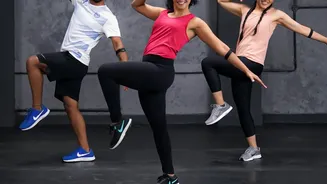
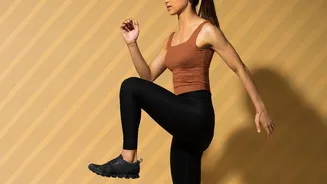
From a purely cardiovascular standpoint, both activities are excellent. Vigorous dancing and steady running can produce similar improvements in aerobic power and heart health. Some studies have even found that certain styles of dance, with their constant acceleration and deceleration, can burn more calories than a steady run in the same amount of time. Running excels at straightforward, single-plane forward motion. Dancing, however, involves movement in all directions—side-to-side, rotational, and vertical. This multi-directional movement engages more stabiliser muscles, improving overall coordination, balance, and flexibility in ways that running typically does not.
Mind and Mood Benefits
Both running and dancing are proven stress-reducers and mood-boosters. However, they achieve this through slightly different mechanisms. Running is often associated with a solitary, meditative quality that helps clear the mind. Dance, particularly styles that involve learning choreography, offers significant cognitive benefits. The act of remembering steps and moving to a rhythm challenges the brain, and some research has linked regular dancing to improved cognitive function and processing speed, especially in older adults. Furthermore, the social bonding that often occurs in partner or group dancing can alleviate feelings of loneliness and enhance emotional wellbeing.
Accessibility and Getting Started
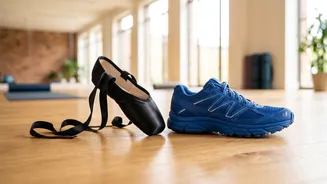
Running is arguably one of the most accessible forms of exercise. All you truly need is a decent pair of shoes and a safe place to run. There are no class fees or schedules to adhere to, making it a cost-effective and flexible option. Dancing can be just as accessible, especially with countless free tutorials available online that allow you to practice in your living room. However, to reap the full social and instructional benefits, you will likely need to join a class, which involves costs and a fixed schedule. The trade-off for this structure is professional guidance and a built-in community to keep you motivated.