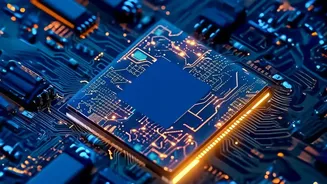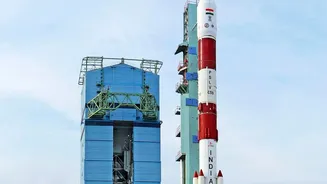






Recent geopolitical shifts and supply chain shocks have turned semiconductor manufacturing into a national priority worldwide. India is seizing this moment with a reported $23 billion push to build its own chipmaking capabilities from the ground up.
Understanding the Massive Investment
The
headline figure of $23 billion refers to a comprehensive incentive program led by the India Semiconductor Mission (ISM). This isn't a blank cheque but a strategic fund designed to de-risk massive private investments and attract global players. Launched in 2021, the mission aims to provide significant financial support—often covering a large percentage of capital expenditure—for companies willing to set up shop in India. The program, now in its 'Semicon 2.0' phase, targets the entire value chain, from chip design and manufacturing to equipment and raw materials. Under this initiative, about a dozen projects have been approved, including fabrication plants and numerous packaging facilities, representing a total planned investment of nearly ₹1.64 lakh crore from both public and private sources.
More Than Just a Factory
Building a semiconductor industry is not just about constructing a few high-tech factories, or 'fabs'. The real goal is a self-sustaining 'ecosystem'. This complex network includes several key layers. It starts with chip design, an area where India already has a significant talent pool, with many global giants operating R&D centres in the country. Then come the foundries or fabs, like the one Tata Group is building, which physically create the chips on silicon wafers. Just as critical are the suppliers of specialized equipment, ultra-pure chemicals, and gases. Finally, the ecosystem requires Assembly, Test, Marking, and Packaging (ATMP) facilities, which prepare the finished chips for use in electronics. Projects from companies like Micron, which began commercial production at its Gujarat facility in early 2026, are focused on this crucial final step.
The Steep Climb Ahead
The road to a mature semiconductor ecosystem is fraught with challenges, explaining why previous efforts have faltered. One of the biggest hurdles is infrastructure. Fabs are notoriously demanding, requiring uninterrupted, high-quality power and millions of litres of ultra-pure water daily—resources that can be a challenge to secure in India. Another major issue is the talent gap. While India produces many engineers, there's a severe shortage of professionals with the highly specialized skills needed for advanced manufacturing and fab operations. The country also faces intense global competition from established hubs like Taiwan, South Korea, and the US, all of which are pouring billions into their own domestic industries.
Early Wins and Key Players
Despite the hurdles, tangible progress is being made. The Tata Group is constructing India's first commercial semiconductor fab in Dholera, Gujarat, with an investment of around $11 billion in partnership with Taiwan's Powerchip. This facility will focus on maturendode chips (28nm to 90nm) used in automobiles, power management, and IoT devices, with production slated to begin by the end of 2026. Simultaneously, USbased Micron Technology inaugurated its ATMP facility in Sanand, Gujarat, in February 2026, marking a milestone for commercial chip production in the country. Tata is also establishing a large packaging facility in Assam. These projects signal that India's mission is moving from ambition to execution.
Why This Matters For India
For India, building a domestic chip industry is a matter of economic and strategic urgency. The COVID‑19 pandemic exposed the vulnerability of relying on a few countries for a component as critical as oil. A domestic ecosystem would reduce India's massive chip import bill, estimated at over $24 billion annually, and insulate it from global supply chain shocks. It would also anchor a high‑value manufacturing base, creating thousands of skilled jobs and driving growth in the broader electronics industry. Strategically, self‑reliance in semiconductors is vital for national security, underpinning everything from defence equipment to critical digital infrastructure. Success would position India as a reliable and significant player in the global technology supply chain.