
The Annual Battle Against Pollution
The most significant reason for heightened checks, especially from October to February, is the fight against air pollution. As winter approaches, Delhi's air quality regularly plummets to 'Poor' or 'Severe' levels, prompting authorities to implement the Graded
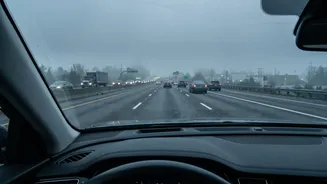
Response Action Plan (GRAP). On October 21, 2026, Stage 1 of GRAP was imposed after the Air Quality Index (AQI) worsened. This plan involves a series of escalating measures, many of which target vehicular emissions, a major contributor to the smog. Checks at the border are intended to stop polluting vehicles from entering the capital. This includes enforcing the ban on petrol vehicles older than 15 years and diesel vehicles older than 10 years. Additionally, authorities check for valid Pollution Under Control (PUC) certificates, with a 'No PUC, No Fuel' policy in effect at fuel stations.
Stricter Norms Under The Winter Action Plan
Beyond GRAP, the Delhi government's Winter Action Plan introduces even stricter rules. A major rule that affects drivers from adjacent regions is the ban on vehicles registered outside Delhi that do not comply with BS-VI emission standards. This ban is typically effective from November 1. Since the BS-VI standard only became mandatory for new vehicles in April 2020, this rule primarily impacts older cars, trucks, and buses registered in Uttar Pradesh, Haryana, Rajasthan, and Punjab. Inter-state buses are also required to be either electric, CNG, or BS-VI compliant to operate in the region. These checks are designed to filter out higher-emission vehicles before they can add to the city's pollution load.
Heightened Security Posture
As the national capital, New Delhi is perpetually on a higher state of alert than other cities. Border points are crucial choke points for security and are often the first line of defence. Police and paramilitary forces intensify vehicle checks in response to intelligence inputs or ahead of major events like national holidays or political protests. For instance, in early October 2026, security was significantly tightened with extensive barricading and vehicle screening at borders like Delhi-Noida and Delhi-Haryana ahead of a planned protest at Jantar Mantar. During these times, checks become more frequent and thorough, with police questioning occupants about their destination and purpose of visit to prevent potential disruptions to law and order.
Managing Traffic and Commercial Vehicles
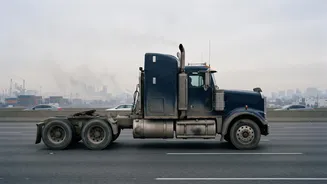
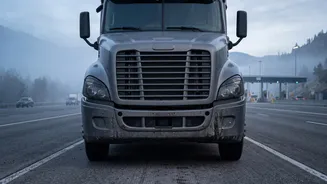
Traffic management is another core reason for the stringent checks. Delhi's road network is under immense pressure, and authorities use border checks to regulate the flow of vehicles, particularly commercial ones. Under GRAP Stage 1, there's a directive to divert non-destined truck traffic away from the city via the Eastern and Western Peripheral Expressways. Police also check commercial vehicles for overloading, proper permits, and compliance with timing restrictions. While these measures are aimed at easing congestion within the city, they invariably lead to long queues and delays for all drivers at the entry points, creating a bottleneck effect. The focus on commercial vehicles means that the supply chains and logistics that serve the entire NCR can be affected.
The Daily Commuter's Dilemma
For the lakhs of people living in adjacent metropolitan areas like Noida, Gurugram, Ghaziabad, Faridabad, and even farther regions like Sonipat and Meerut, these checks are a source of daily frustration. The unpredictability of the inspections can turn a one-hour commute into a two-hour ordeal. While many understand the underlying reasons, the inconvenience and economic cost are significant. Commuters in older, but well-maintained, vehicles may find themselves barred from entering the city they work in. The cumulative effect of these checks—for pollution, security, and traffic—creates a challenging environment for anyone whose daily life straddles the administrative borders of the National Capital Region.