





Saturn at Opposition
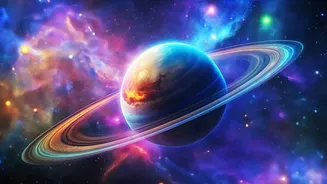
October kicks off with a brilliant showing from the ringed planet. On October 4, Saturn reaches opposition, meaning Earth passes directly between it and the Sun. This alignment makes Saturn appear at its biggest and brightest for the year, rising around
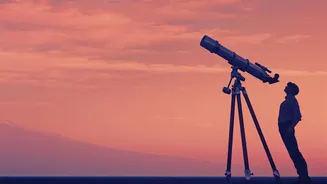
sunset and remaining visible for most of the night as a steady, yellowish point of light. While the rings won't be visible to the naked eye, even a small telescope will provide a stunning view, and you might even spot its largest moon, Titan.
Draconid Meteor Shower: An Evening Show
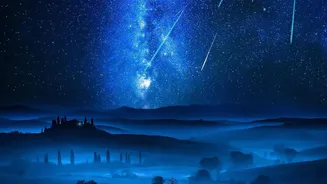
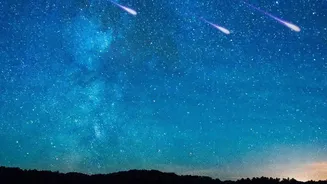
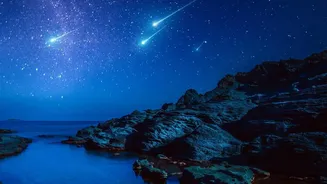
Get ready for the month's first meteor shower, the Draconids, set to peak on the night of October 8-9. Unlike many other meteor showers that are best viewed in the early morning hours, the Draconids are best seen shortly after nightfall. The parent comet, 21P/Giacobini-Zinner, can make this shower unpredictable; while it typically produces a modest 10 meteors per hour, it has been known to create spectacular outbursts. With the new moon arriving on October 10, viewing conditions will be excellent, with dark, moonless skies to help you spot even the fainter shooting stars.
Orionid Meteor Shower: Debris from Halley's Comet
The second celestial light show this month is the famous Orionid meteor shower, which peaks on the night of October 21-22. These meteors are fragments of debris left behind by the iconic Halley's Comet. The Orionids are known for being bright and fast, sometimes leaving persistent trails across the sky. Observers can expect to see up to 20 meteors per hour in ideal conditions. A waxing gibbous moon will be present this year, so the best viewing window will be in the few hours before dawn, after the Moon has set.
The Full Hunter's Moon
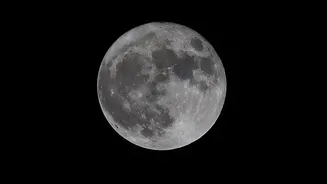
October's full moon, traditionally known as the Hunter's Moon, will reach its peak illumination on October 26. However, the best time to enjoy it is on the evening of October 25, when it will rise in the east around sunset. At this time, it often appears large and takes on a beautiful orange hue due to the 'moon illusion' and Earth's atmosphere. The name dates back to a time when the moonlight would help hunters spot prey in fields that had been cleared after the harvest. For Hindus, this full moon also coincides with Kojagiri Purnima, a festival honouring the goddess Lakshmi.
More Lunar and Planetary Sights
Beyond the main events, keep an eye out for other beautiful pairings. On the morning of October 6, a thin crescent moon will appear close to the bright planet Jupiter. Later in the month, on the night of October 27-28, the Moon will pass near the famous Pleiades star cluster, also known as the Seven Sisters. It’s a perfect opportunity for stargazers and photographers alike to capture these stunning conjunctions in the night sky.