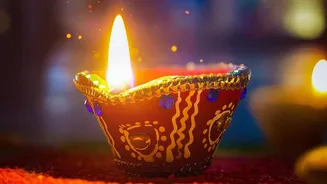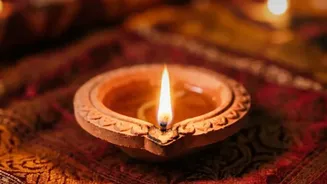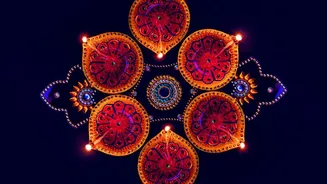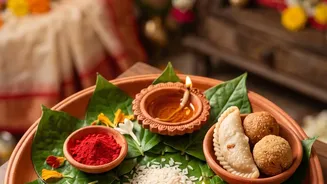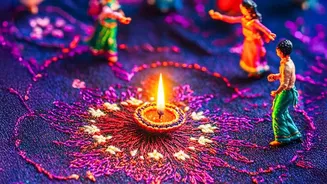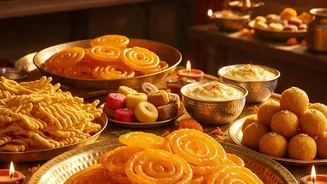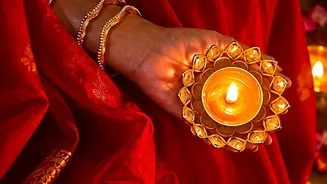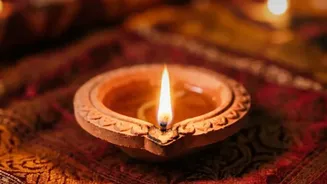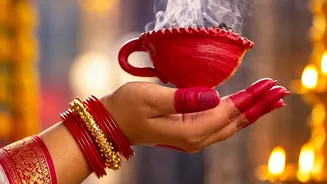




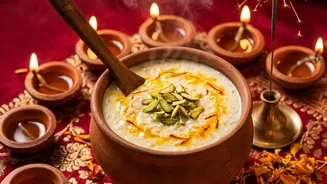
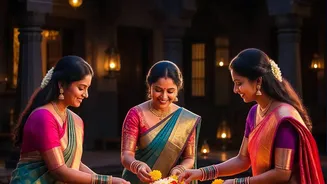
As diyas light up homes across India for Diwali, the festive glow signifies a unified spirit of joy. Yet, within this nationwide celebration of light over darkness, lie distinct traditions that tell a richer, more diverse story of the country.
Dhanteras: An Ode to Wealth and Well-being
For many
parts of India, especially in the north and west, the five-day Diwali festival kicks off with Dhanteras. The name itself, a blend of 'Dhan' (wealth) and 'Teras' (thirteenth), points to its timing on the thirteenth lunar day of the Kartik month. The festival is a celebration of prosperity and health, honouring three key deities: Goddess Lakshmi, the purveyor of wealth; Lord Kuber, the treasurer of the gods; and Lord Dhanvantari, the physician of the gods and the father of Ayurveda. According to one legend, Dhanvantari emerged from the cosmic ocean during the Samudra Manthan (the great churning of the ocean) on this day, carrying a pot of divine nectar. This origin story firmly links the festival to health and well-being. Another popular tale is that of King Hima's son, who was saved from a prophesied snakebite death by his wife, who lit up the entrance of their chamber with lamps and a dazzling pile of gold. The serpent, an avatar of Yama, the god of death, was blinded and captivated, ultimately sparing the prince's life. This story inspires two of the most visible traditions of Dhanteras: lighting thirteen diyas and purchasing precious metals like gold and silver, or new utensils, to welcome good fortune.
Kali Puja: Embracing the Fierce Divine Mother
On the very same new moon night (Amavasya) that much of India worships the serene Goddess Lakshmi, eastern states like West Bengal, Odisha, and Assam immerse themselves in the worship of Goddess Kali. Kali Puja, or Shyama Puja, is dedicated to the fierce and powerful form of the divine mother, a destroyer of evil forces. Legend has it that Kali was born from the brow of Goddess Durga to defeat demons. After her victory, her fearsome rage continued until Lord Shiva lay down in her path; upon stepping on him, she came to her senses, an iconic image central to her worship. Unlike the gentle reverence for Lakshmi, Kali Puja often involves Tantric traditions, with rituals performed late at night. Devotees offer red hibiscus flowers, sweets, rice, and sometimes meat and fish, reflecting traditions distinct from the largely vegetarian offerings in other parts of India. Grand pandals with awe-inspiring clay idols of the goddess are erected, and the atmosphere is charged with devotional chants and cultural performances, celebrating her as a protective, compassionate mother despite her formidable appearance.
One Festival, Two Powerful Philosophies
The contrast between these two celebrations, often happening simultaneously, is stark and beautiful. Dhanteras and the subsequent Lakshmi Puja are largely focused on renewal, prosperity, and the welcoming of gentle, life-affirming wealth. The rituals involve cleaning homes, decorating, and making purchases that signify a fresh start and material well-being. It is a celebration of abundance and fortune bestowed by a benevolent goddess. In contrast, Kali Puja centres on Shakti—divine power and energy. It acknowledges the darker, more terrifying aspects of existence and invokes a goddess who confronts evil head-on. The focus is less on acquiring wealth and more on seeking protection, courage, and the spiritual strength to overcome internal and external demons. While Lakshmi Puja is often a quieter, family-oriented affair inside the home, Kali Puja can be a large-scale community event, celebrated with grand public displays and fervent, energetic rituals that last through the night.
The Unity in India's Festive Diversity
So why do these different traditions exist within the same festive window? The answer lies in India's unique ability to assimilate and regionalise its cultural and religious practices. The Diwali story itself has multiple versions—for some, it is the return of Lord Rama to Ayodhya; for others, it is Lord Krishna's victory over the demon Narakasura. Similarly, the worship of Kali gained immense popularity in Bengal around the 18th century, championed by figures like Raja Krishnachandra and later, the saint Ramakrishna Paramhansa, embedding it deeply into any regional identity. This diversity is not a contradiction but a feature. It shows how a single concept—the victory of light over darkness—can be interpreted through different philosophical lenses. One tradition celebrates this victory through prosperity and peace (Lakshmi), while another honours it through the fierce destruction of evil (Kali). Both paths, though different in their expression than lead to same fundamental celebration of righteousness.