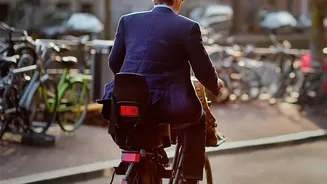








Across India's cities, the humble bicycle is making a major comeback. But this is more than just a transport trend; it's a shift towards personalised comfort and health, sparking a surge in demand for custom ergonomic accessories. So, what's behind it?
The New Age of Indian Cycling
For years, the sight of a bicycle on urban Indian roads was often associated with necessity. Today, that perception is rapidly changing. A growing number of professionals, students, and fitness enthusiasts are choosing two wheels not just for affordability, but as a conscious lifestyle choice. This resurgence is driven by a desire for health, a way to beat city traffic, and an increasing awareness of sustainable mobility. As more people integrate cycling into their daily routines, the focus has shifted from merely getting from one point to another to making the journey itself comfortable, efficient, and enjoyable. This has paved the way for a booming market in accessories designed to upgrade the standard ride.
What 'Ergonomics' Means for Your Ride
Ergonomics is the science of designing products to fit the human body, and in cycling, its goal is to create a seamless union between rider and machine. Standard, off-the-shelf bikes are built for a generic user, which often leads to the 'one-size-fits-none' problem. This mismatch can cause common complaints like numb hands, wrist strain, saddle soreness, and back pain. Ergonomic accessories are specifically engineered to address these issues by distributing pressure more evenly, promoting better posture, and reducing strain on sensitive nerves and joints. It’s about transforming the bike from a source of potential discomfort into an extension of your own body.
The Core Benefits: Comfort and Injury Prevention
The primary driver behind the demand for ergonomic gear is the pursuit of pain-free cycling. Accessories like wider, pressure-distributing grips can prevent the hand numbness that plagues many riders by protecting the ulnar nerve. Similarly, an ergonomic saddle is about more than just extra padding; its shape is designed to match a rider's sit bones and posture, reducing pressure on sensitive soft tissue areas, which is crucial for anyone riding for more than 30-45 minutes. By customising these key contact points—where your body meets the bike—riders can significantly reduce the risk of repetitive stress injuries and make longer or daily rides a sustainable, pleasant activity rather than a painful chore.
Key Upgrades Driving the Trend
Several types of accessories are at the forefront of this trend. Ergonomic saddles with central cutouts or specific shapes for male and female anatomies are incredibly popular. Handlebar grips with winged designs provide a larger platform for the palms, while shock absorbing handlebar tape dampens vibrations from uneven Indian roads. Adjustable stems allow riders to change their handlebar height and reach, enabling a more upright and relaxed posture that alleviates back and shoulder strain. Even pedals are getting an ergonomic makeover, with larger platforms offering better foot support and more efficient power transfer.
The 'Custom' Fit Advantage
While buying an ergonomic part is a good first step, the 'custom' aspect takes it further. Professional bike fitting services are becoming more accessible in India, offering a detailed analysis of a rider's body, flexibility, and riding style. A fitter uses this information to make precise adjustments to saddle height, handlebar position, and more. This process ensures that the chosen ergonomic accessories work together as a cohesive system, perfectly tailored to the individual. This level of personalisation, once reserved for professional racers, is now being sought by daily commuters who understand that a properly fitted bike is more efficient, comfortable, and safer.