





What Exactly Is a Smoked Alpine Infusion?
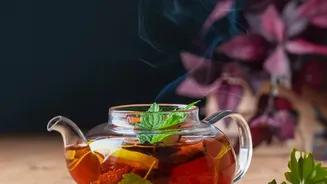
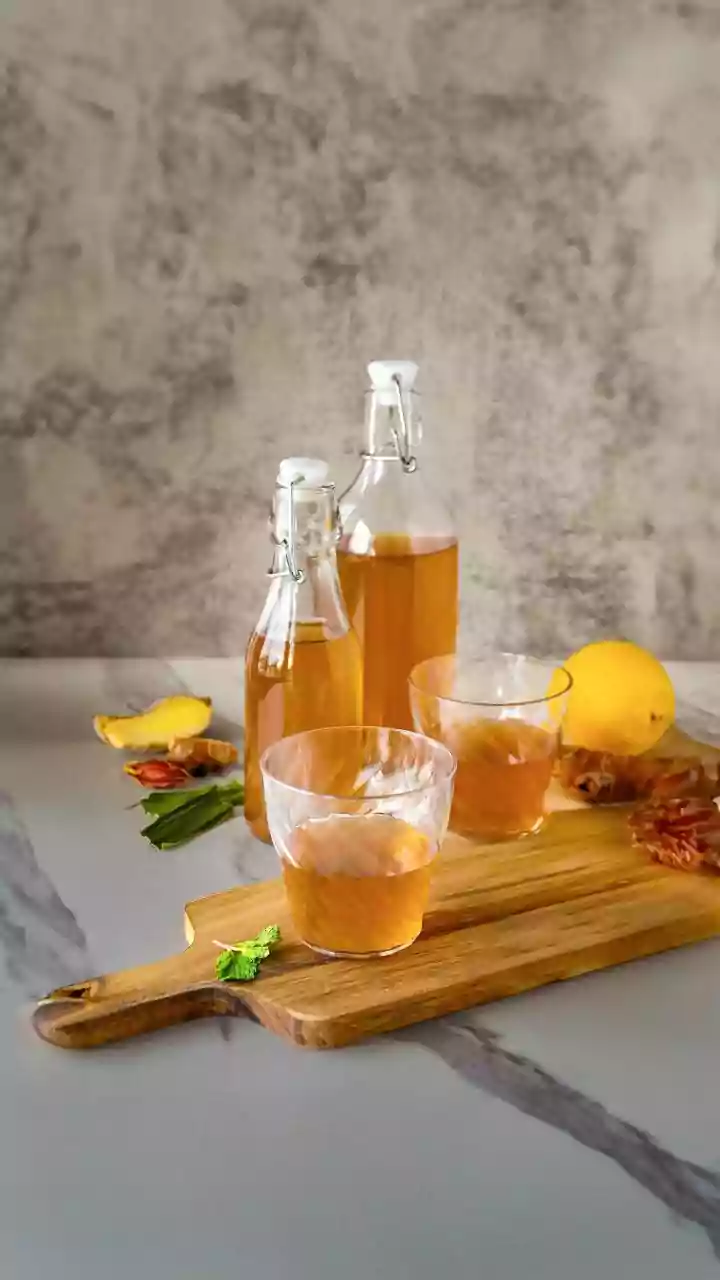
First, let's clarify what these drinks are. The term 'alpine infusion' refers to a herbal tisane, not a traditional tea from the Camellia sinensis plant. These are beverages made by steeping wild herbs, flowers, and plants foraged from the high-altitude
Himalayan regions of Ladakh. The 'alpine' tag speaks to their origin in this mountainous 'Land of High Passes'. What truly sets them apart, however, is the addition of smoke. This ancient preservation technique, now being appreciated for its flavour-enhancing properties, introduces a layer of complexity that transforms the drink into a multi-sensory experience, engaging not just taste but also smell and sight.
A Taste Born From Tradition
For centuries, the people of Ladakh have relied on the land for sustenance and wellness in one of the world's harshest climates. Traditional Ladakhi beverages like Gur-Gur Chai (butter tea) are designed to provide warmth and energy. Alongside these are herbal infusions using local flora like wild mint, nettle, and chamomile, which are believed to have healing properties. The practice of smoking ingredients is not just for flavour; it's a culinary technique that adds depth and aroma. This tradition, rooted in the Sowa-Rigpa system of medicine and a deep connection to nature, is now finding a new, modern audience.
The Allure of Smoke
The trend of smoked beverages has been growing in global mixology for about a decade, evolving from a theatrical presentation to a deliberate culinary method. Smoke adds aromatic complexity and can even change the texture of a drink, giving it a silkier mouthfeel. When applied to herbal infusions, the smoke from smouldering woods or herbs complements the natural botanicals without overpowering them. The process creates a harmonious balance, enhancing the earthy, floral, or spicy notes of the Ladakhi herbs and offering a flavour profile that is robust, intriguing, and profoundly different from anything else in the tea aisle.
A Superior Alternative to Tea?
The claim of being 'superior' to tea rests on two main pillars: health and novelty. Firstly, these infusions are naturally caffeine-free. Unlike decaffeinated tea, which is processed to remove caffeine and may retain trace amounts, herbal tisanes never contained it in the first place. This makes them an excellent choice for evening consumption or for those sensitive to caffeine. Many of the herbs used, such as chamomile and peppermint, are traditionally associated with benefits like aiding digestion and promoting relaxation. Secondly, there is the appeal of the unique flavour. For consumers seeking new taste experiences beyond the standard cup of tea or coffee, these smoky, aromatic infusions offer a genuine sense of discovery.
Why Are They Trending Now?
The rise of Ladakhi smoked infusions can be attributed to a convergence of modern consumer desires. There is a growing global interest in wellness, authenticity, and products with a strong sense of place. Ladakh itself is gaining recognition as a destination for spiritual and wellness tourism, where healing is rooted in nature and ancient traditions. Consumers are increasingly drawn to artisanal, community-driven products that tell a story. These infusions perfectly capture this spirit: they are a taste of the Himalayas, a nod to ancient wellness practices, and a sophisticated, caffeine-free beverage that feels both timeless and perfectly suited for the contemporary kitchen.