



Why Your Hands Can Deceive You
The way a fabric feels in the store is not always a reliable guide to its true nature. Modern manufacturing has become incredibly sophisticated. Fabric finishes are chemical or mechanical treatments applied after a fabric is woven or knitted to improve
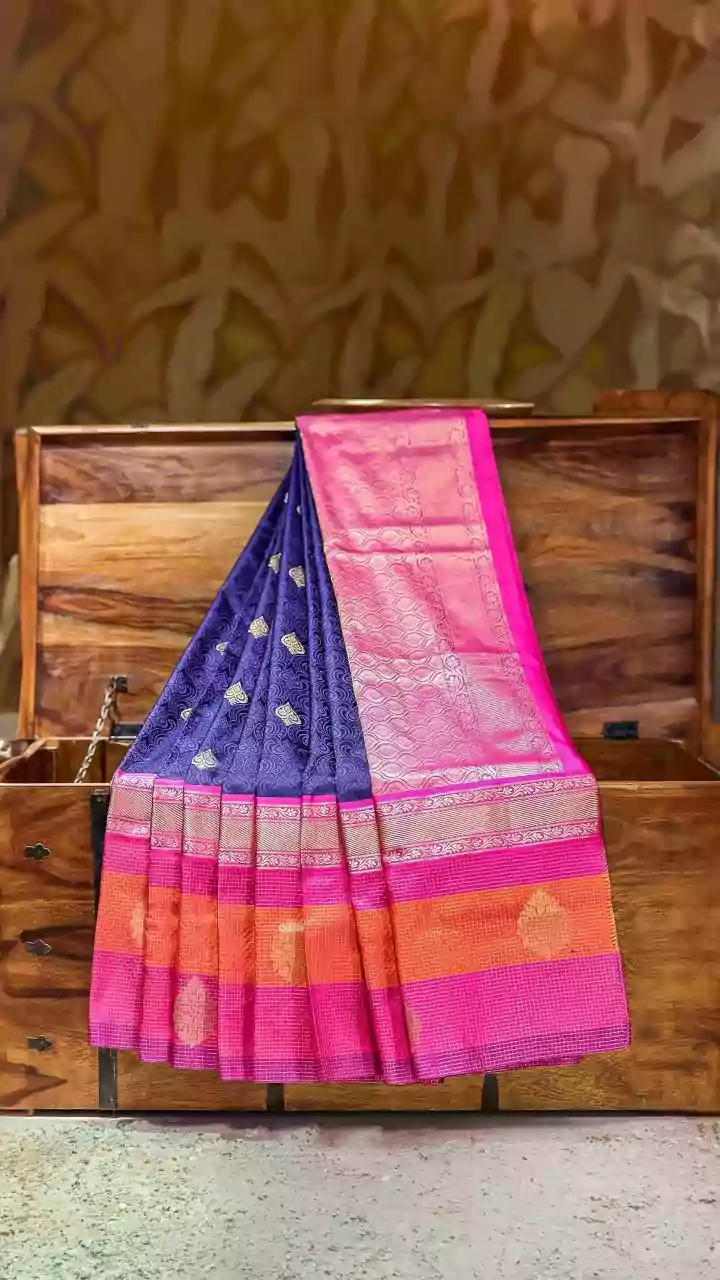
its feel, look, and performance. These treatments can make an inexpensive polyester feel as soft and luxurious as silk, or give a synthetic blend the crispness of linen. This engineered softness, however, is often not permanent and can wash away, revealing the fabric's true texture. Furthermore, the rise of fabric blends means that many garments are not made of a single material. A cotton-polyester blend might feel predominantly like cotton but its care needs are different. Polyester is durable but sensitive to high heat, which can damage the fibres, while cotton can often withstand higher temperatures. Relying on touch alone ignores the underlying fibre composition that dictates how a garment will react to water, heat, and detergent.
The Care Label: Your Garment's Instruction Manual
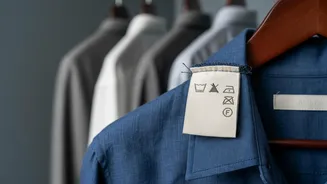
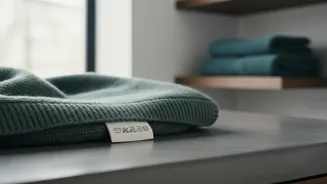
The single most reliable source of information for clothing care is not your sense of touch, but the small tag stitched into the seam: the care label. These labels contain a universal set of symbols that provide a clear, concise guide on how to wash, dry, bleach, and iron your clothes without causing damage. Ignoring them is a gamble that can lead to shrinking, stretching, fading, or completely ruining a beloved item. Taking a few seconds to read the label before laundering is the most effective way to prolong the life of your wardrobe and ensure your clothes remain in great condition for years to come. These symbols were created to bridge language barriers and provide standardized instructions for a world of increasingly complex textiles.
Decoding the Most Common Care Symbols
Understanding the basic symbols is simple once you know what to look for. They are typically presented in a specific order: washing, bleaching, drying, ironing, and professional care. Washing (The Tub): A symbol of a tub of water indicates washing instructions. A number inside the tub specifies the maximum water temperature in Celsius. A hand in the tub means hand-wash only, while an 'X' through the tub means do not wash. Bleaching (The Triangle): An empty triangle means any bleach can be used. A triangle with diagonal lines inside permits only non-chlorine bleach. An 'X' through the triangle means do not bleach at all. Drying (The Square): A square with a circle inside means it's safe to tumble dry. Dots inside the circle indicate the heat level: one for low, two for medium, and three for high. A square without a circle often refers to air-drying methods, like a line for line-drying. Ironing (The Iron): The iron symbol also uses dots to indicate temperature settings. One dot is for low heat (good for delicates like silk), two for medium (synthetics), and three for high (cotton and linen). An 'X' over the iron means the garment should not be ironed.
Common Fabrics and Their True Needs
To illustrate why the label is crucial, consider these examples. A pure silk charmeuse has a distinctively smooth, luxurious feel. To preserve its sheen, it's often best to dry clean or hand-wash very gently in cold water. A high-quality polyester satin, however, can be engineered to feel nearly identical but can typically be machine-washed on a warm, gentle cycle. Washing the silk with the same agitation and heat as the polyester could permanently dull its finish and damage the fibres. Similarly, some wool garments feel incredibly soft and might seem sturdy, but putting them in a hot dryer will almost certainly cause irreversible shrinking. The care label will specify air-drying flat to prevent stretching. Even within a single fabric type like cotton, the care can vary. A sturdy pair of jeans can handle a hot wash, but a delicate cotton voile shirt requires a gentle cycle with cool water to prevent damage. These nuances are impossible to guess by touch alone, making the care label an indispensable tool for every laundry day.