




Understanding the Festival Rush
Every year, millions travel to their hometowns to celebrate Diwali (the festival of lights) and Chhath Puja, a major festival particularly for people from Bihar, Jharkhand, and Eastern Uttar Pradesh. This year, the main day of Diwali falls on Sunday,
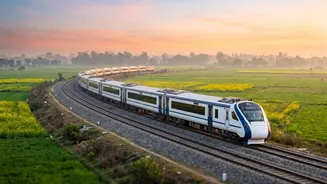
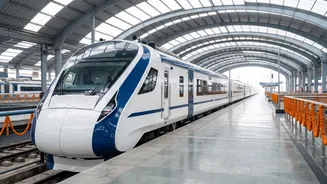
November 8, 2026, with the five-day festival spanning from November 6 to November 10. Chhath Puja follows soon after, from November 13 to November 16, 2026. This condensed period creates an overwhelming demand for train tickets, with regular services getting fully booked months in advance. To cater to this massive surge, Indian Railways introduces hundreds of 'Festival Special' trains on high-demand routes, connecting major hubs like Delhi, Mumbai, and Bengaluru with states across the country.
How to Find Special Trains
Finding these temporary trains is the first step. They are not always part of the regular timetable and are announced in phases. The easiest way to identify them is by their number; special trains typically have a five-digit number that starts with '0'. When searching for trains on the IRCTC website or app, look for these '0-series' numbers appearing alongside regular services. You can also check the 'News & Announcements' or 'Press Release' sections on the official Indian Railways and zonal railway websites for the latest updates. Recent announcements from Northern, Central, and Southern Railways have detailed new services connecting cities like Delhi, Mumbai, Chandigarh, Ayodhya, Varanasi, and Bengaluru to destinations in Uttar Pradesh, Bihar, and Maharashtra for the October-November period.
The Booking Window: Timing is Everything
Unlike regular trains that open for booking 120 days in advance, special trains have a much shorter Advance Reservation Period (ARP), often ranging from 10 to 30 days before the journey date. Bookings typically open at 8:00 AM on the designated date mentioned in the official railway notification. For example, bookings for some extended special services have been announced to open on September 29, 2026. These tickets are sold on a first-come, first-served basis and can be booked via passenger reservation counters or, more conveniently, through the official IRCTC website and the IRCTC Rail Connect app. Given the high demand, tickets on popular routes get sold out within minutes, so it is crucial to be ready the moment bookings open.
Your Pre-Booking Checklist
To improve your chances of securing a confirmed ticket, preparation is key. Before the booking window opens, ensure your IRCTC account is active and you know your password. Use the 'Master List' feature on the IRCTC portal to save the names, ages, and ID details of all passengers in advance. This saves you from typing everything manually and losing precious seconds during the booking rush. Also, decide on your payment method beforehand. UPI and the IRCTC e-Wallet are generally faster than net banking or credit/debit cards, which might face OTP delays or transaction failures under heavy traffic. Having all this information ready can make the difference between a confirmed ticket and a long waitlist.
Tips for a Successful Booking
On booking day, log in to the IRCTC portal or app a few minutes before 8:00 AM. Have your journey details and passenger list ready to go. Be flexible with your travel dates; special trains might not run daily, so checking for availability a day or two before or after your preferred date can increase your options. Also, consider different classes. Sleeper class might be full, but seats could still be available in 3AC or vice versa. If your direct train is unavailable, check for trains to a nearby major station and plan the onward journey from there. If you end up on a waitlist, monitor your PNR status regularly, as many waitlisted tickets get confirmed closer to the date of travel due to cancellations.
What If You Don't Get a Ticket?
If you miss out on the special trains, don't lose hope entirely. Your next best option is the Tatkal Quota, which opens one day before the train's departure (10:00 AM for AC classes, 11:00 AM for non-AC). Be aware that not all special trains have a Tatkal quota, as many already operate on special fares that are higher than regular trains. Keep checking the IRCTC portal for last-minute availability, as new special trains can sometimes be announced closer to the festival dates based on demand. Finally, if all else fails, you may have to consider alternative modes of transport, but planning ahead with these train booking strategies gives you the best shot at a happy journey home.