

The Science of a Soggy Salad
The primary enemy of a crisp salad is moisture, governed by a scientific process called osmosis. Plant cells in your leafy greens are kept firm and crunchy by the water inside them. When these cells come into contact with salt, acid, or even just excess
water from other ingredients, that water is drawn out. This causes the cell walls to lose their structure and collapse, resulting in limp, soggy leaves. Salad dressing is the main offender, as its salt and acidic components (like vinegar or citrus juice) are experts at breaking down delicate greens. Even oil-based dressings can strip the natural protective coating from leaves, leading to wilting.
The Cardinal Rule: Dressing Last
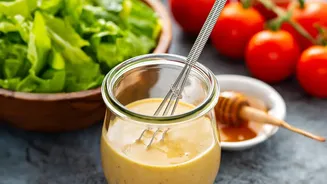
The most important step to prevent a soggy disaster is to keep your dressing separate from your greens until the moment you're ready to eat. For salads eaten at home, this means tossing everything together right before serving. For portable lunches, packing the dressing in a small, separate, leak-proof container is crucial. This single step is the biggest factor in determining whether you'll have a crisp, fresh salad or a wilted heap. Some hardy greens like kale can actually benefit from a brief marinade to soften their tough texture, but for most lettuces and spinach, separation is key.
The Art of Layering
When you can't pack dressing separately, a strategic layering technique, especially popular for mason jar salads, is your best defense. The core principle is to build a barrier between the wettest ingredients and the most delicate ones. Start with the dressing at the very bottom of your container. This ensures it's contained and won't touch the greens until you're ready to shake it all up. Keeping the container upright is essential for this method to work.
Building from the Bottom Up
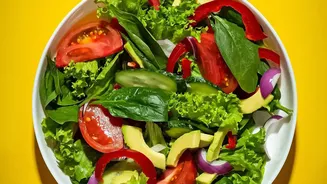
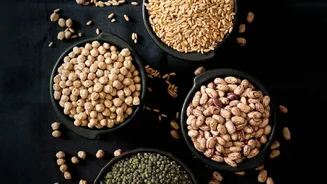
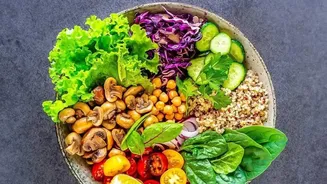
Once the dressing is in, your next layer should consist of hard, non-absorbent vegetables. Think of ingredients that could be pickled, like carrots, bell peppers, cucumbers, and onions. These create a sturdy platform that protects everything above it. Next, add your grains, beans, and pasta, such as chickpeas, quinoa, or rice. These are followed by proteins like cooked chicken, hard-boiled eggs, or tofu. Above that, add any softer fruits or vegetables like tomatoes or avocado, and then cheeses. Finally, the very top layer should be your delicate leafy greens, packed as full as possible to reduce air, which can cause spoilage. Toppings like nuts, seeds, or croutons should be added last, right before eating, to maintain their crunch.
More Than Just Order
Beyond layering, a few other habits can extend the life of your salad. Ensure all your ingredients, especially the greens, are completely dry before you start assembling; a salad spinner is an invaluable tool for this. Also, allow any cooked components like grains or proteins to cool completely before adding them to the mix, as residual heat creates steam and condensation, which leads to sogginess. Using an airtight container is also key to keeping out moisture and maintaining freshness. Some people even place a paper towel on top of the greens to absorb any extra moisture.