



1. Swap Deep-Frying for Other Methods
The most significant way to reduce oil consumption is to limit deep-frying. Many of our favourite snacks and dishes, from pakoras to samosas, can be adapted for healthier and more economical cooking methods. An air fryer is an excellent investment, using
hot air to create a crispy texture with a fraction of the oil. Baking is another great alternative for items like tikkis and kebabs. For daily cooking, consider steaming vegetables or fish, which requires no oil at all and preserves nutrients effectively. Even pressure cooking many dals and legumes can be done with minimal oil, relying on steam and pressure to cook ingredients perfectly.
2. Measure, Don't Pour
It’s a simple habit, but it has a huge impact. Many of us are used to pouring oil directly from the bottle into the pan, a practice that often leads to using far more than necessary. Start by using a measuring spoon for all your cooking. You might be surprised to learn that many sabzis and curries can be perfectly cooked with just one or two tablespoons of oil. For applying oil on parathas or dosas, a silicone brush or an oil spray can create a thin, even layer, drastically cutting down on the amount used compared to drizzling from a spoon or bottle. This small change brings mindfulness to your cooking and immediate savings.
3. Invest in Non-Stick Cookware
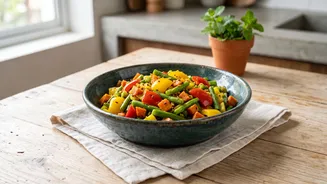
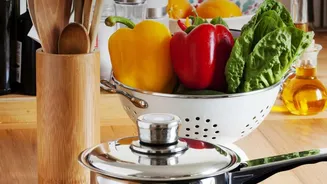
The type of pan you use directly influences how much oil you need. Traditional iron or steel utensils can cause food to stick, tempting you to add more oil to prevent burning. A high-quality non-stick or hard-anodized pan is a game-changer. These surfaces require minimal oil to cook food evenly. This is especially true for sautéing onions, making cheelas, or preparing stir-fried vegetables. A good non-stick pan allows you to get a perfect sear with just a light coating of oil, making it one of the most effective long-term investments for a low-oil kitchen.
4. Use Water or Stock for Sautéing
A common practice in Indian cooking is to add more oil when the masala starts sticking to the bottom of the pan. A healthier and cheaper alternative is to use a splash of water or vegetable stock. This technique, known as deglazing, helps loosen the cooked-on bits from the pan and allows your onions, tomatoes, and spices to cook through without adding extra fat. After an initial tempering of spices in a small amount of oil, you can continue the cooking process by adding small amounts of water as needed. This not only saves oil but also results in a lighter, less greasy gravy.
5. Reuse Frying Oil Safely
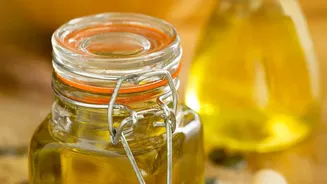
If you do deep-fry, don't throw the oil out after one use. With proper care, frying oil can be reused a few times, saving you money. After frying, allow the oil to cool completely. Then, strain it through a fine-mesh sieve or cheesecloth to remove any food particles. Store the oil in an airtight container in a cool, dark place. It's best to reuse oil for similar types of food to avoid flavour transfer—for example, use oil from frying savoury items only for other savoury dishes. However, be mindful of the oil's condition. If it becomes dark, gummy, or starts to smell rancid, it's time to discard it. Experts suggest reusing oil a maximum of three to four times for battered foods.