


The Simple How-To
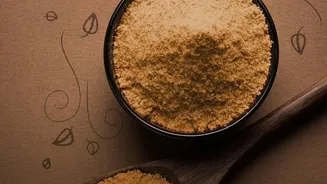
Before we dive into the specific seeds, the method is simple for all of them. To make a seed powder, all you need is a dry grinder or a powerful blender. Just blitz the raw, dry seeds for 40-60 seconds until they form a fine powder. Be careful not to over-blend,
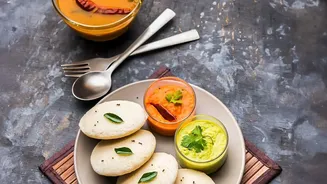
or you’ll end up with seed butter. You can grind seeds individually or create your own protein-packed blend. Once powdered, simply stir one or two tablespoons into your batter for every cup of batter, just before you start cooking. It’s a seamless way to enhance the nutritional profile of your morning meal. For best results, it's recommended to mix the powder in just before making your dosas or idlis.
Pumpkin Seeds (Pepitas)
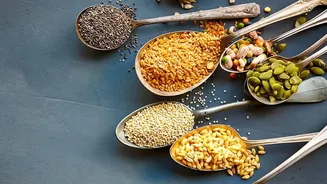
Often discarded, pumpkin seeds are a nutritional powerhouse, making them an excellent choice for a protein boost. They are a fantastic source of plant-based protein and contain all nine essential amino acids. A single ounce (about 28 grams) of pumpkin seed powder can contain as much as 18 grams of protein. Beyond protein, these seeds are rich in magnesium, zinc, and iron. When ground, pumpkin seed powder has a mild, slightly nutty flavour that blends almost undetectably into dosa and cheela batters, making them a great option for sneaking in extra nutrients.
Hemp Seeds (Hemp Hearts)
Hemp seeds, or hemp hearts, are another complete protein, providing all nine essential amino acids that our bodies cannot produce on their own. They are considered a high-quality protein source, with about 25% of their weight being protein. A standard 30-gram serving (about four tablespoons) of hemp powder provides around 15 grams of protein. Hemp is also prized for being easily digestible, making it gentle on the stomach. It has a mild, nutty taste that pairs well with both savoury and sweet batters. Because it's a complete protein and easy to digest, it's a top choice for vegetarians, vegans, and anyone looking to increase their plant-based protein intake.
Flax Seeds
Flax seeds are celebrated for being one of the richest plant sources of heart-healthy omega-3 fatty acids. They are also an excellent source of dietary fibre and protein. Using ground flaxseed is recommended over whole seeds, as the powder is much easier for the body to digest and absorb the nutrients from. Flax seeds can be added to batters for dishes like dosas, pancakes, and muffins. Adding one or two tablespoons of flaxseed meal to your batter not only increases protein and fibre but also adds a pleasant, nutty flavour.
Sunflower Seeds
Don’t overlook the humble sunflower seed. These seeds are a good source of plant-based protein and are particularly rich in vitamin E, a powerful antioxidant. They also contain magnesium, which is important for muscle function and recovery. When ground into a powder, sunflower seeds can help support muscle growth and add a mild flavour to your breakfast. The powder is also a good source of healthy fats and selenium, an essential mineral that supports immune function.
Chia Seeds
Chia seeds are tiny but mighty, packed with protein, fibre, and omega-3 fatty acids. While they can be used whole, grinding them into a powder can make their nutrients more available for absorption and brings out a slightly nuttier flavour. Two tablespoons of chia seeds offer about 5 grams of protein. When added to liquid, chia powder forms a gel, which can help to thicken batters slightly. This makes it a great addition to pancake or cheela batters, contributing to a satisfying texture while boosting the nutritional content. Just be mindful of the amount to avoid making your batter too thick.