







Anatomy of a Monsoon Gridlock
When the India Meteorological Department (IMD) issues a 'red alert', it signals a need for action to prevent the risk of severe weather disruption. For Delhi and its surrounding areas, this often means intense rainfall that the city's infrastructure simply
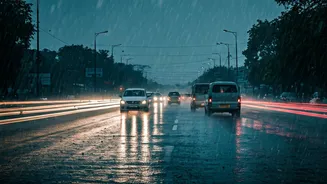
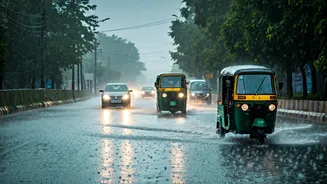
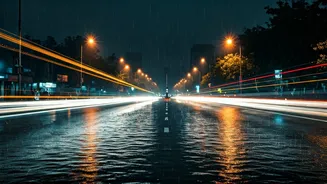
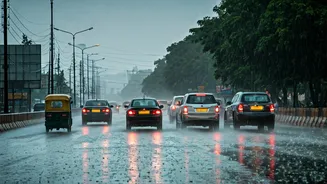
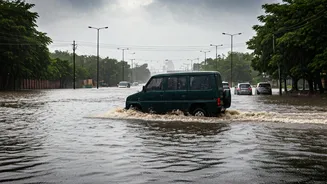
cannot handle. Key underpasses and low-lying roads become waterlogged almost instantly, turning major thoroughfares like the Ring Road and routes near Akshardham into parking lots. The deluge leads to vehicle breakdowns, overflowing drains, and uprooted trees, compounding the gridlock. The Delhi Traffic Police frequently issue advisories, but these are often reactive, alerting commuters to choke points that have already formed. This annual spectacle of stranded vehicles and hours-long jams highlights a chronic failure in urban planning and a desperate need for a smarter approach to mobility during severe weather events.
Smart Commuting for the Individual
While systemic change is essential, individuals can adopt smarter strategies to navigate the monsoon mayhem. The first rule is to be informed. Before stepping out, check real-time traffic updates on apps like Google Maps. Following the Delhi Traffic Police's social media handles can also provide alerts on waterlogged areas and alternative routes. If your journey is not critical, the best move is often to delay it until the peak shower passes. For those who must travel, public transport, particularly the Delhi Metro, often remains the most reliable option. If driving is unavoidable, ensure your vehicle is monsoon-ready with good tyres, working wipers, and functional brakes. Avoid driving through deep water to prevent your engine from stalling, and maintain a slow, steady speed to avoid splashing water into critical components. Having an emergency kit with a flashlight, first-aid, and drinking water is also a prudent measure.
A Call for Corporate Responsibility
The daily commute is a shared responsibility, and employers play a crucial role, especially during hazardous weather. Forcing employees to travel during a red alert not only risks their safety but also adds to the city-wide congestion. Companies with the capability should proactively implement flexible work-from-home policies on days with severe weather warnings. In fact, advisories have previously been issued for offices in the NCR to encourage work-from-home to ease congestion. For roles that require a physical presence, staggering office start and end times can help employees avoid the worst of the rush-hour traffic. Establishing a clear adverse weather policy ensures that employees know their options and feel secure in prioritizing their safety without fear of penalty. A company culture that values employee well-being over rigid attendance policies is a cornerstone of a resilient and modern workforce.
Long-Term Fixes the City Needs
Individual adjustments and corporate policies are effective stop-gaps, but they don't solve the root problem. Delhi-NCR requires a massive overhaul of its civic infrastructure to build long-term resilience. This begins with upgrading the decades-old drainage systems that are routinely overwhelmed. Enforcing strict regulations against unauthorised construction that blocks natural water flow is equally critical. Furthermore, the city must accelerate its investment in a truly integrated public transport system, making it a more attractive and seamless alternative to private cars. This includes improving last-mile connectivity and ensuring buses and other services can operate reliably even in challenging conditions. Investing in smart traffic management systems that can dynamically reroute traffic based on real-time waterlogging and congestion data would shift the city from a reactive to a proactive stance. These systemic solutions are complex and costly, but they are the only way to break the annual cycle of monsoon paralysis.