



What the Proposal Means
The proposal, put forward by Prime Minister Narendra Modi during the 23rd India-ASEAN Summit in Manila, would waive the government fee for electronic tourist visas for citizens of the ASEAN bloc. It is important to note this is not a 'visa-free' travel
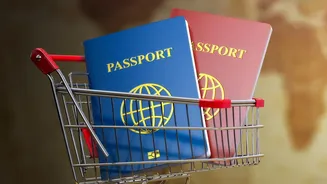
arrangement; visitors would still need to complete the online application for an Electronic Travel Authorisation (ETA) before their trip. The key change is the removal of the visa fee, which currently ranges from $10 to $200 depending on the nationality and visa duration. The move aims to harmonize India's visa policy, as some ASEAN members already receive fee waivers for certain visa types. This proposal would extend the benefit to all eleven members, which includes the ten original nations plus its newest member, Timor-Leste.
A Strategic Friendship
This initiative is a cornerstone of India's 'Act East' Policy, which seeks to deepen economic and strategic relations with Southeast Asian nations. The relationship between India and ASEAN has evolved from a sectoral partnership in 1992 to a Comprehensive Strategic Partnership today. By simplifying travel, India aims to strengthen not just tourism but also cultural and educational exchanges. The proposal was one of several initiatives announced at the summit, including enhanced maritime cooperation, cybersecurity training, and youth exchange programs, all designed to reinforce ASEAN's central role in India's vision for a stable and prosperous Indo-Pacific region. Leaders noted that tourism is a powerful engine for economic growth and enhancing people-to-people connections.
Boosting a Vital Sector
The economic rationale behind the visa waiver is compelling. Making travel to India more affordable and accessible is expected to significantly increase tourist arrivals from the ASEAN region. This influx would provide a much-needed boost to India's tourism industry, creating jobs and supporting local businesses like hotels, restaurants, and tour operators. The proposal also aims to make India a more competitive travel destination compared to other countries in the region. Furthermore, it supports specific tourism circuits, such as the Buddhist pilgrimage trail, which is of great interest to travellers from many ASEAN nations. The development of tourism infrastructure through schemes like Swadesh Darshan and PRASHAD is intended to complement this policy by enhancing the visitor experience.
What It Means for Travellers
If implemented, the proposal will simplify trip planning for tourists from Brunei, Cambodia, Indonesia, Laos, Malaysia, Myanmar, the Philippines, Singapore, Thailand, Timor-Leste, and Vietnam. While the online application process via the official government portal will likely remain, the removal of the fee reduces a key barrier. The current e-visa system requires applicants to fill out a form, upload a photo and passport copy, and pay online at least four days before travel. Upon approval, an ETA is emailed, which is then stamped into the passport on arrival at a designated airport or seaport. The free visa proposal will make this straightforward process even more attractive, encouraging more short-term leisure visits and cultural exploration.
The Road Ahead
It is crucial for potential travellers to understand that this is currently a proposal, and no implementation date has been announced yet. The Indian government will need to formalize the details, including which visa durations—30-day, one-year, or five-year—will be covered under the fee waiver for all eleven nations. The initiative was part of a broader package of cooperative measures discussed at the summit, signaling a strong political will to move forward. As India and ASEAN look toward the 35th anniversary of their dialogue relations in 2027, this proposal stands out as a practical step to transform a shared vision into tangible cooperation. Travellers should continue to monitor official government channels for the latest updates on visa requirements and fees.