

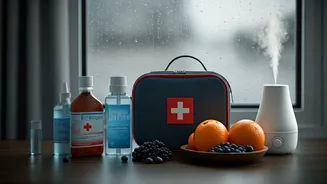




Prioritise Safe Drinking Water
The single most important rule during the monsoon is to be vigilant about your water intake. Contaminated water is a primary source of serious water-borne diseases like typhoid, cholera, jaundice, and gastroenteritis. The high moisture levels and overflowing
drains can easily compromise municipal water supplies. To stay safe, always boil your drinking water for at least 10 minutes, even if it comes from a water purifier. If boiling is not possible, use a trusted brand of purifier that combines multiple filtration technologies like RO, UV, and UF. Also, be wary of consuming drinks with ice from outside sources like street vendors, as you can’t be sure about the quality of water used to make the ice.
Be Mindful of What You Eat
High humidity provides the perfect breeding ground for bacteria and fungi, which can spoil food quickly. This is why digestive issues spike during the monsoon. It's wise to avoid street food, especially items that are pre-cut or left exposed, like fruit chaat or pani puri. Even at home, be extra careful. Wash all fruits and vegetables, especially leafy greens like spinach and cabbage, with clean water or a saline solution to remove dirt and germs. Opt for light, home-cooked meals. A diet rich in freshly cooked vegetables and whole grains is easier to digest and reduces the load on your system. Avoid raw salads unless you have prepared them yourself with thoroughly washed ingredients.
Keep Mosquitoes and Pests Away
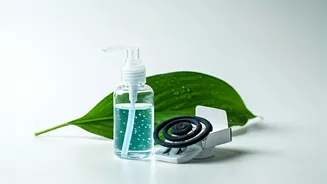
Stagnant water is a mosquito’s best friend. The monsoon creates countless tiny pools of water in discarded tyres, flower pots, air cooler trays, and construction sites, leading to a sharp rise in mosquito-borne diseases like dengue, malaria, and chikungunya. Take a weekly tour of your home and its surroundings to ensure there is no standing water. Use mosquito repellents, especially in the evening, and consider using mosquito nets at night for an extra layer of protection. Ensure your windows have mesh screens to prevent insects from entering your home. Keeping your home clean and dry will also help keep other pests at bay.
Master Your Personal Hygiene
Basic hygiene becomes non-negotiable during the rains. Your first line of defence is frequent handwashing with soap and water, especially before meals and after coming in from outside. Your feet are particularly vulnerable to fungal infections after wading through puddles. As soon as you get home, wash your feet with soap and dry them thoroughly, paying special attention to the area between your toes. Avoid wearing damp clothes or socks for extended periods, as the moisture can lead to skin infections and rashes. It’s always a good idea to carry a small bottle of hand sanitiser for times when soap and water aren’t readily available.
Support Your Body's Defences
While there are no magic foods that make you invincible, a balanced diet can certainly support your immune system. The common cold and flu are rampant during this season. Bolster your defences by including foods rich in Vitamin C, such as amla, oranges, and lemons, in your daily diet. Traditional Indian kitchens have long used spices with anti-inflammatory and antibacterial properties. Incorporating ginger, garlic, turmeric, and black pepper into your soups and meals can be beneficial. A warm cup of herbal tea or a simple 'kadha' made with these ingredients can be both soothing and helpful in keeping infections at bay.