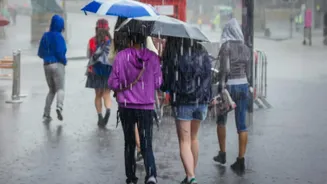







The Humidity Trap: Why Rain Doesn't Always Mean Relief
The key to understanding monsoon heat lies in one word: humidity. Our bodies have a brilliant, built-in cooling system: sweating. When sweat evaporates from our skin, it takes heat with it, effectively lowering our body temperature. However, this system works
best in dry air. During the monsoon, the air is already saturated with moisture. With relative humidity often soaring above 80 or 90 percent, there is little room for our sweat to evaporate. Instead, it clings to our skin, leaving us feeling sticky, damp, and overheated. This dramatically reduces the body's ability to cool itself, which can lead to heat-related illnesses like exhaustion and heat stroke, even at temperatures that might seem manageable.
Meet Your New Best Friend: Airflow
This is where airflow becomes a critical tool. While a fan doesn't lower the room's temperature, it provides significant relief in humid conditions. Moving air helps to break up the layer of moisture-saturated air that forms right next to your skin. By constantly replacing this humid air pocket with less saturated air from the surrounding room, a fan or a cross-breeze from an open window helps your sweat evaporate more effectively. This enhances your body's natural cooling process, making you feel significantly more comfortable. Even simple actions like ensuring good ventilation in rooms can make a world of difference in preventing the build-up of this oppressive, humid air. Without adequate airflow, you remain stuck in a personal bubble of heat and moisture.
Your Wardrobe Is a Cooling Tool
The clothes you wear are your second line of defence. Your choice of fabric can either trap heat and moisture or help release it. Synthetic fabrics like polyester and nylon are generally poor choices for humid weather. They don't absorb moisture well and aren't breathable, essentially creating a plastic-like barrier on your skin that traps sweat and heat. In contrast, natural, lightweight fabrics are ideal. Cotton is a breathable classic, but it can become heavy and cling when it absorbs a lot of sweat. Linen is a superior choice for high humidity as its looser weave allows heat to escape easily and it dries quickly. Other good options include lightweight cotton voile and fabrics made from bamboo, which are known for wicking moisture away from the skin. Opting for loose-fitting garments also promotes airflow directly over your skin, further aiding the cooling process.
Understanding the 'Feels Like' Danger
Meteorologists use terms like 'heat index' or 'wet-bulb temperature' to describe the combined effect of heat and humidity. These 'feels like' temperatures are often more important for your health than the air temperature alone. For instance, an air temperature of 32°C with 80% humidity can feel like 45°C, putting significant stress on the body. This combined effect, sometimes called humid heat, is emerging as a 'silent killer' during the monsoon, as it can be deadly even at what seem like manageable temperatures. Recent studies show that the risk of uncompensable heat stress—where the body can no longer cool itself at all—is rapidly increasing during India's monsoon season.
Simple Steps for a Cooler Monsoon
Managing heat risk during the monsoon is about being proactive. First, prioritise ventilation. Use fans, open windows to create cross-breezes, and use exhaust fans in kitchens and bathrooms to expel moist air. Second, dress smartly. Choose loose, light-coloured clothing made from breathable fabrics like linen or lightweight cotton. Third, stay hydrated. Drink plenty of water throughout the day, even if you don't feel thirsty, as high humidity can accelerate dehydration. Finally, listen to your body. Watch for early signs of heat stress like fatigue, dizziness, headache, or heavy sweating. If you experience these symptoms, move to a cooler place, loosen your clothing, and drink water immediately.