




Know Your Enemy: What Is Dust?
To defeat dust, we first need to understand it. That grey fluff isn't just one thing; it's a complex cocktail of particles from inside and outside your home. A significant portion is made up of human skin cells, hair, and fibres from clothing, carpets,
and furniture. The rest is a mix of outdoor pollutants, soil tracked in on shoes, pollen, pet dander, and even microscopic particles from cooking and burning candles. Researchers estimate that while about a third of dust originates indoors, two-thirds comes from the outside. This mixture doesn't just look untidy; it can carry allergens, pollutants, and chemicals that impact respiratory health, making indoor air significantly more polluted than outdoor air.
The Foundation: Floors and Walls
Your home's largest surfaces—the floors and walls—are the first line of defence. Carpets are notorious dust traps, holding onto particles and releasing them back into the air with every footstep. A better choice for a low-dust environment is hard flooring like sealed hardwood, vitrified tiles, or true linoleum. These smooth surfaces are easy to clean and don’t provide a habitat for dust mites. When it comes to walls, smoother is better. Textured finishes and wallpapers can trap dust in their tiny crevices. Opt for smooth, washable paint finishes like satin or semi-gloss, which are easier to wipe down. In bathrooms and kitchens, full-height tiling not only resists moisture but also provides a non-porous surface that repels dust.
Clear the Air: Filtration and Ventilation
The key to stopping dust before it settles is to capture it from the air. This is where your ventilation and filtration systems become critical. A high-quality HVAC (Heating, Ventilation, and Air Conditioning) system with a good filter can trap airborne particles as air circulates. For a more comprehensive solution, whole-house air purifiers can be integrated directly into your HVAC ductwork, cleaning the air throughout your entire home. If a central system isn't an option, strategically placed portable air purifiers with HEPA filters are highly effective at capturing dust, pollen, and dander in individual rooms. In India, where outdoor pollution is a major concern, passive design strategies like aligning buildings to prevailing winds for cross-ventilation, combined with filtration, can significantly improve indoor air quality.
Strategic Furnishings and Decor
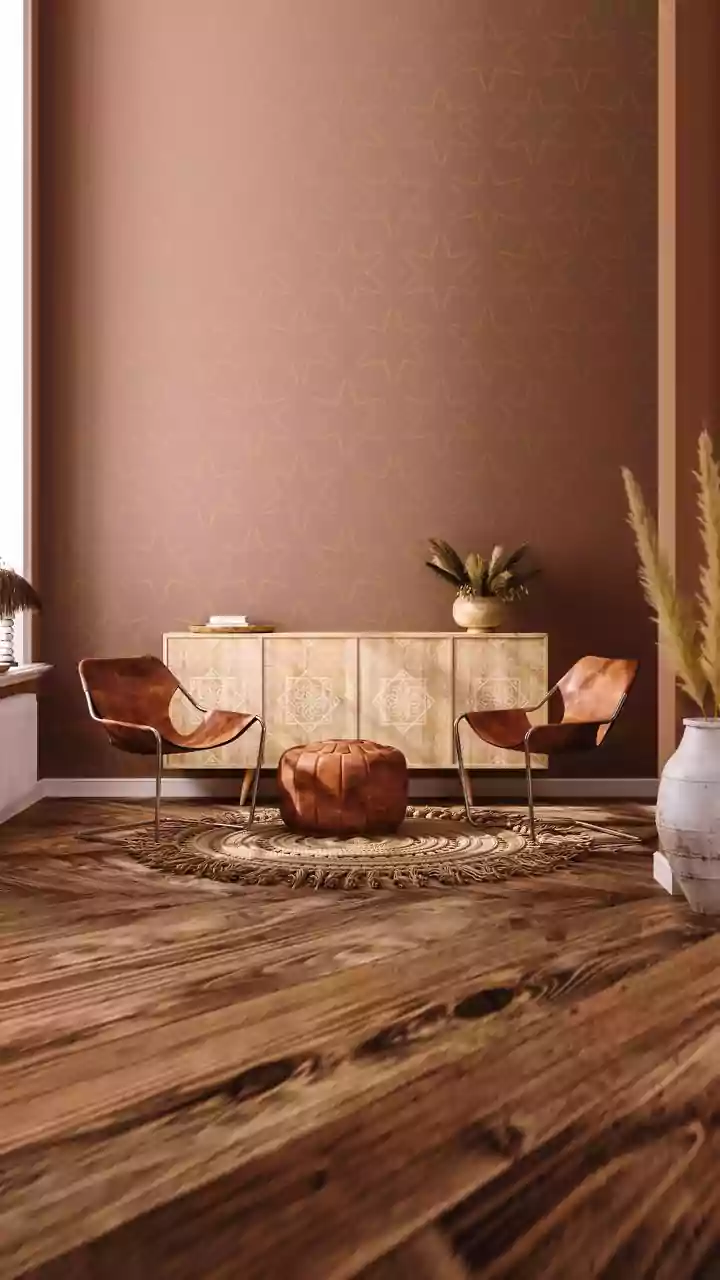
Every object in your home can either attract dust or repel it. Upholstered furniture, heavy curtains, and piles of throw pillows are major dust magnets. Consider furniture made of leather, wood, or metal, which can be easily wiped clean. If you love fabric sofas, choose ones with removable, washable covers. Opt for blinds instead of heavy drapes, or if you prefer curtains, ensure they are machine washable and clean them regularly. The principle of minimalism is your friend; the less clutter you have, the fewer surfaces there are for dust to land on. Simple, clean-lined furniture is not only a modern aesthetic choice but a practical one for reducing cleaning time. Raised furniture with legroom underneath makes it easy to clean the floor below, preventing hidden dust bunnies from forming.
The Entryway Defence
Since a large portion of dust comes from outdoors, your home's entrance is a critical control point. A well-designed entryway can act as a buffer zone. Implement a strict 'no shoes indoors' policy to prevent dirt, pollen, and pollutants from being tracked through the house. Place high-quality doormats both outside and inside every entrance to capture as much debris as possible. For new builds or major renovations, consider designing a dedicated mudroom or entry foyer where outerwear and shoes can be stored, effectively creating an airlock that keeps the majority of outdoor grime contained before it ever enters your primary living spaces. Sealing gaps around doors and windows will also help prevent dust from infiltrating.