

The Northern Powerhouse: Gond ke Laddu
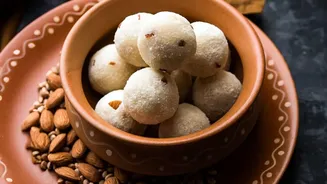
In many parts of North India, winter is incomplete without Gond ke Laddu. These nutrient-dense sweet balls are made from 'gond' (edible gum), whole wheat flour, pure ghee, and a generous mix of nuts and seeds. Gond itself is known for its warming properties,
believed to help the body retain heat during colder months. Ayurveda values it for strengthening bones and lubricating joints, which can feel stiff in the cold. The combination of ingredients delivers a powerful punch of nutrition. Ghee provides healthy fats, nuts like almonds offer Vitamin E and protein, and jaggery is a source of iron. Together, these components work to boost energy levels, support bone health, and strengthen the body's natural defences against seasonal illnesses.
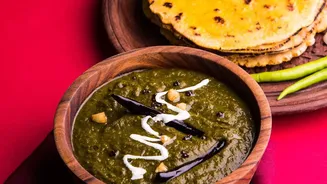
Punjab's Pride: Sarson da Saag and Makki di Roti
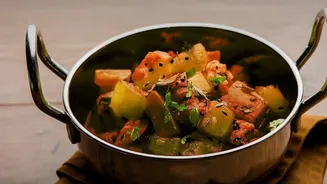
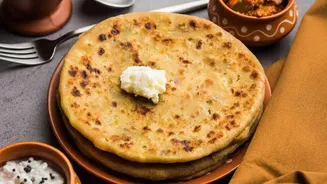
A quintessential winter meal from Punjab, Sarson da Saag with Makki di Roti is more than just comfort food; it's a nutritional powerhouse. The star, 'sarson' (mustard greens), is harvested in winter and is packed with vitamins A, C, and K, along with iron and antioxidants. These nutrients are crucial for a robust immune system. Makki ki Roti, made from cornmeal, is a gluten-free source of fibre and complex carbohydrates, providing sustained energy to combat winter sluggishness. This classic combination, often topped with a dollop of white butter or ghee, creates a balanced and wholesome meal that fortifies the body against the cold.
The Warming Sweetness of Panjiri
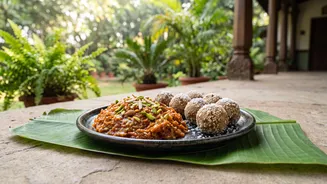
Panjiri is another beloved North Indian winter preparation, often consumed as a warming, energy-boosting snack. This crumbly mixture typically contains whole wheat flour or semolina roasted in ghee, sweetened with sugar or jaggery, and loaded with nuts, seeds, and sometimes spices like ginger and cardamom. The ingredients are chosen for their ability to generate internal warmth and provide vital nutrients. Nuts and seeds contribute zinc, Vitamin E, and omega-3 fatty acids, all of which play a role in immune function. Spices like ginger have anti-inflammatory properties that can help soothe the body and protect against winter ailments.
Eastern Delight: Nolen Gur from Bengal
Come winter, Bengal celebrates the arrival of Nolen Gur, or date palm jaggery. Unlike refined sugar, this seasonal delicacy is unprocessed and retains a wealth of minerals like iron, magnesium, and potassium. This makes it a healthier sweetening option that provides a slow release of energy, avoiding the crash associated with sugar. Traditionally, Nolen Gur is valued for its ability to help fight off colds and coughs; its natural properties can soothe a sore throat. It also acts as a digestive aid, helping to cleanse the system after a heavy meal. Rich in antioxidants, it supports the body's immune response, making it a sweet and healthy winter indulgence.
The Sankranti Special: Tilgul from Maharashtra
During Makar Sankranti, the winter harvest festival, Maharashtrians exchange a sweet called Tilgul, made from 'til' (sesame seeds) and 'gul' (jaggery). This tradition is rooted in nutritional wisdom. Sesame seeds are an excellent source of zinc, iron, copper, and healthy fats. Zinc is particularly crucial for the proper functioning of immune cells. Jaggery, rich in iron and vitamin C, is a traditional remedy for respiratory issues and complements the sesame seeds perfectly. The combination is considered to have 'hot potency' in Ayurveda, helping generate body heat and keep you warm from within, making it an ideal snack to boost immunity during the cold season.