







The End of 'Checklist' Tourism
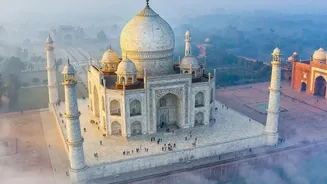
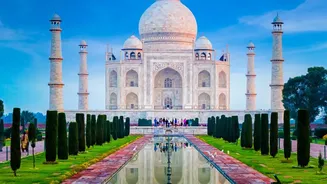
For decades, a successful trip was often measured by the number of monuments photographed. From the Taj Mahal to the Gateway of India, travel revolved around a predictable circuit of famous landmarks. This approach, however, is losing its charm. A new
generation of Indian travellers no longer wants to be a passive spectator. Instead of just seeing a place, they want to feel it, connect with it, and participate in its culture. This shift is driven by a desire for authenticity in a digitally saturated world. Travellers are now prioritising genuine connections and meaningful moments over content for social media, seeking out homestays instead of hotels and local workshops over souvenir shops. The destination still matters, but the experience is increasingly becoming the primary reason for the journey.
How AI Is Your New Travel Concierge
Artificial Intelligence is stepping in to serve this growing demand for deeper travel. AI-powered planners act as digital travel assistants, creating customised itineraries based on your specific interests, budget, and even your preferred travel pace. Unlike a simple search engine, these tools use complex algorithms to analyse vast amounts of data, including your past travel history and stated preferences. Instead of just listing popular attractions, they can build a day-by-day plan that matches your unique tastes. The process is conversational; you can tell an AI planner you want a “quiet, 4-day trip to Kerala focused on authentic cuisine and avoiding crowded spots,” and it will generate a tailored schedule. This saves countless hours of research and helps uncover hidden gems you might have otherwise missed.
From Culinary Trails to Cultural Immersion
The real power of AI lies in its ability to cater to niche interests. Holiday searches are increasingly starting with what travellers want to experience, not just where they want to go. For a food lover, an AI can design a culinary tour through Lucknow, complete with recommendations for heritage kebab spots and street food stalls that only locals know. For an adventure seeker, it could map out a multi-day trek in the lesser-known valleys of Himachal Pradesh, arranging stays in village homestays along the way. These platforms can also help travellers explore spiritual destinations like Varanasi or Rishikesh beyond the pilgrimage itself, adding wellness, heritage, and local cultural experiences to the itinerary. Recent data shows 61% of Indian travellers have used AI to plan a trip in the past year, with 45% finding it most useful for creating these kinds of personalised, day-by-day plans.
Smarter, Safer, and More Sustainable
The benefits of using AI extend beyond just personalisation. These tools are incredibly efficient, optimising your route to minimise travel time between locations, ensuring you spend more time enjoying the destination and less time commuting. They can also help with budget management by analysing historical data and real-time prices to find cost-effective options for flights and stays. Furthermore, with a growing consciousness around responsible tourism, AI can identify and suggest eco-friendly choices, such as sustainable accommodations or transport methods with a lower carbon footprint. Some tools even provide real-time safety alerts about weather conditions or local disruptions, adding a layer of security to your travels.
The Human Touch Remains Irreplaceable
While AI is a powerful tool, it's not a complete replacement for human intuition and spontaneity. Experts caution that AI-generated itineraries should always be double-checked, as they can sometimes contain errors or outdated information. A holiday is a deeply personal decision, and technology cannot fully replicate the context, judgment, and emotional nuance that human expertise provides. The best approach is a hybrid one: use AI for the heavy lifting of research and logistics, but leave room for on-the-ground discoveries and unexpected detours. Think of AI as the architect that builds the blueprint for your trip, while you remain the director who brings the story to life. By blending digital intelligence with human curiosity, Indian travellers can unlock a world of truly unforgettable experiences.