

More Than Just A Drought Fix
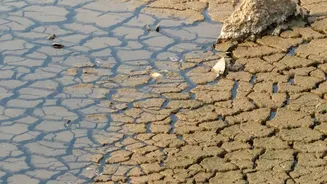
The conversation around low-water gardening, or xeriscaping, is changing. What began as a strategy for arid regions is now being embraced across India as a forward-thinking design choice. The new approach acknowledges a simple truth: a garden designed
to withstand the driest spells is also a garden that is fundamentally more resilient and easier to manage the rest of the time. This isn't about giving up on greenery; it's about redefining what a lush garden looks like. It’s about choosing plants and designs that work with our climate, not against it, creating a sustainable landscape that thrives regardless of whether the monsoon is delayed or the summer is exceptionally harsh.
The Gift of Time: Less Work, More Beauty
One of the most compelling arguments for this shift is the promise of less maintenance. A garden filled with plants adapted to local conditions simply doesn't need as much intervention. Think about the hours spent watering a thirsty lawn or pampering delicate, non-native flowers. A low-water garden drastically cuts down on that time. Native and drought-tolerant plants have deep root systems that are efficient at finding moisture, requiring less frequent watering once established. They are also naturally more resistant to local pests, reducing the need for chemical treatments. The result is more time to actually sit back and enjoy your outdoor space, rather than constantly working in it.
Building a Climate-Resilient Urban Oasis
As weather patterns become more unpredictable, a resilient garden is an invaluable asset. This approach is about future-proofing your green space. By selecting plants that can handle extremes—not just lack of water, but also intense heat—you create a landscape that won't wither during a heatwave. In India, this could mean using plants like Bougainvillea or Oleander, which are naturally adapted to thrive in harsh conditions. Techniques like using mulch to retain soil moisture and permeable pathways to manage heavy rainfall also contribute to this resilience. These gardens become small but powerful buffers against climate volatility, helping to cool urban heat islands and manage stormwater runoff.
A New Aesthetic Emerges
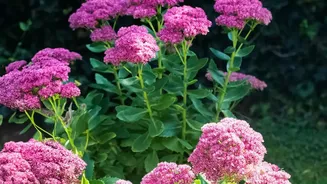
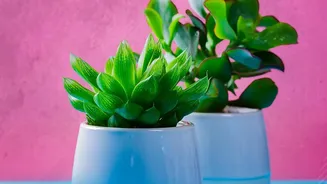
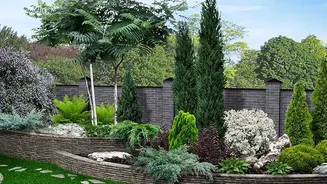
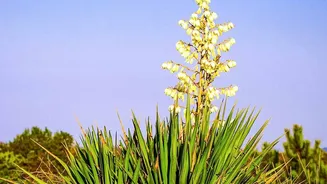
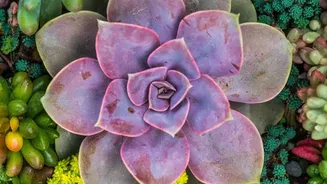
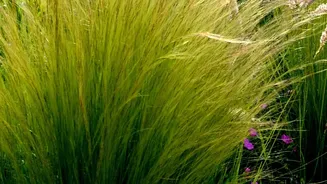
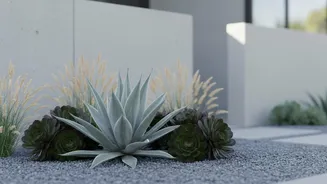
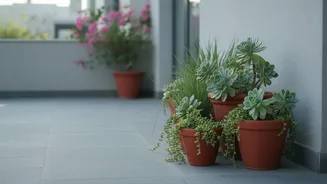
A common misconception about low-water gardens is that they are sparse landscapes of rock and cacti. The reality is far more vibrant and diverse. The modern low-water aesthetic embraces texture, form, and colour, using a wide palette of plants that offer year-round interest. It’s about the silvery foliage of certain grasses, the architectural shapes of succulents, and the brilliant blooms of hardy native flowers that attract pollinators. Replacing a uniform, water-guzzling lawn with layered beds of ornamental grasses, groundcovers like creeping thyme, and native perennials can create a more dynamic and visually engaging space that supports local wildlife.
Good for Your Wallet, Good for Nature
The benefits extend beyond aesthetics and convenience. Financially, the savings are significant. A reduction in water usage translates directly to lower utility bills. Furthermore, you spend less on fertilisers, pesticides, and expensive, high-maintenance plants. Ecologically, the impact is just as positive. Planting native species is one of the most effective ways to support local biodiversity. These plants provide food and shelter for birds, bees, and butterflies, creating a mini-habitat in your backyard. By nurturing a garden that is in harmony with its surroundings, you contribute to a healthier local ecosystem while creating a personal sanctuary.