


The Myth of the Monsoon-Proof Haven
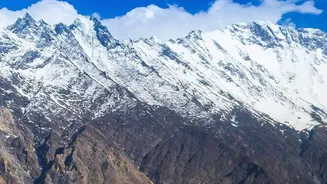
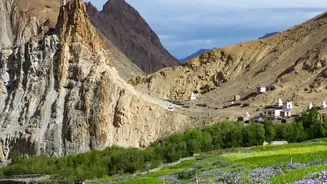
Spiti Valley’s allure for August travellers was always its geography. Tucked behind the main Himalayan range, it exists in a rain-shadow, meaning the mountains block most monsoon clouds from reaching it. While the rest of India experienced heavy rains,
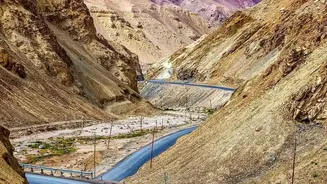
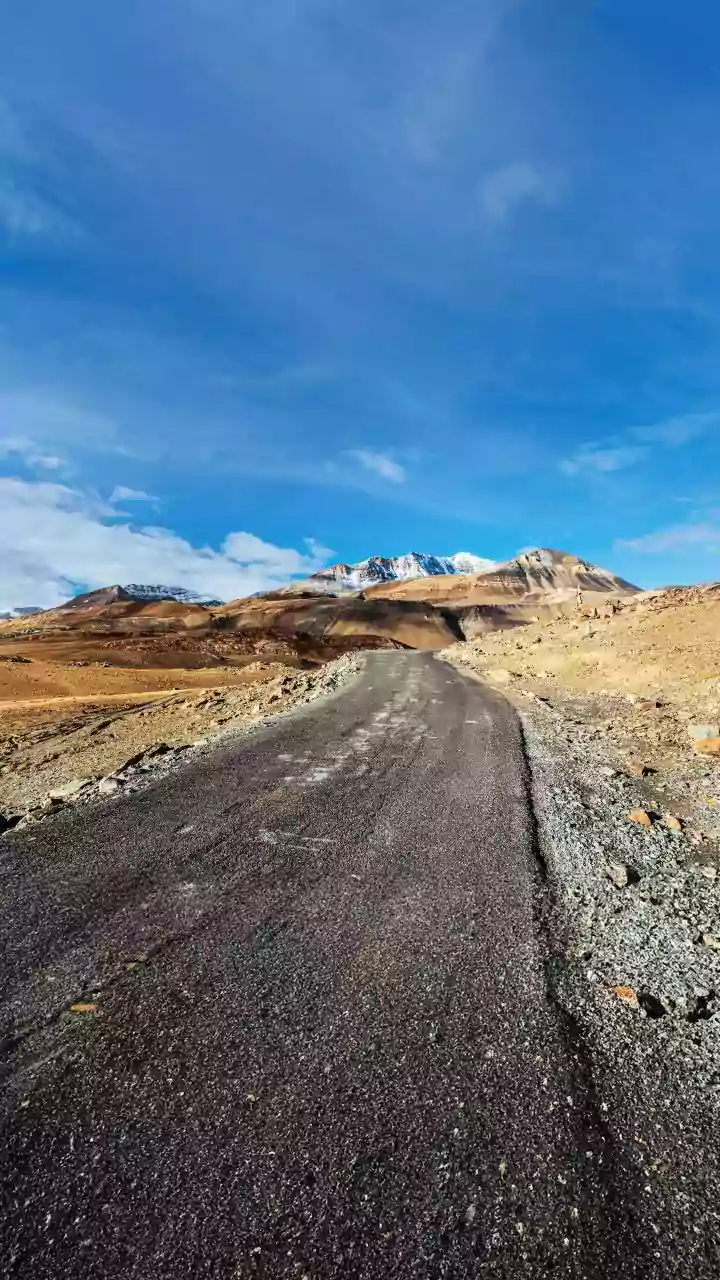
Spiti offered dry, dramatic landscapes and clear skies. This made it a perfect destination for bikers, trekkers, and road-trippers looking to travel between July and September. The approach roads via Kinnaur or Manali might see rain, but the valley itself was considered a safe, dry sanctuary. This predictable pattern formed the basis of countless travel itineraries for decades.
The New Reality: Unpredictable and Intense Rainfall
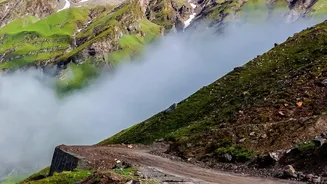
The long-held belief of a dry Spiti is crumbling under the weight of climate change. The Himalayan region is warming at an alarming rate, leading to erratic and intense weather patterns. The 2026 monsoon forecast, for instance, showed a significant deviation, with predictions of above-normal rainfall for the Lahaul-Spiti district. This is a major shift for a cold desert region. This year, travellers are encountering conditions previously thought rare. Recent reports from early August 2026 describe flash floods, landslides, and temporary road closures on both the Shimla-Kaza and Manali-Kaza routes. An active rainfall alert until mid-August underscores the new unpredictability. The problem is no longer just about navigating a wet approach road; the valley itself is now experiencing weather events that can disrupt travel.
Why is this Happening?
This shift isn't random. Scientists have been warning that climate change is destabilising the Himalayan ecosystem. The region is warming nearly twice as fast as the global average. Warmer air holds more moisture, leading to more intense rainfall events, often called cloudbursts. Furthermore, accelerated glacial melt increases the risk of flash floods in streams and rivers. This is compounded by unchecked development, such as road blasting and construction, which destabilises fragile slopes, making them more prone to landslides when heavy rain hits. The result is that even moderate storms can now cause unprecedented damage in a landscape that is not equipped to handle them.
Your New Spiti Travel Checklist
Planning a trip to Spiti in the monsoon now requires a completely different mindset. The old assumption of a 'safe' season is gone. Flexibility and vigilance are the new rules. Firstly, build buffer days into your itinerary—at least two or three. Road closures are becoming common, and you may get stuck. Secondly, travel only during the day. Do not attempt to drive on mountain roads at night, especially during rain. Thirdly, always check the latest road status before you start your journey for the day from multiple sources like the HP Police or local authorities. The Shimla via Kinnaur route is generally considered more stable, but even it has seen disruptions around areas like Malling Nallah. The Manali route via Kunzum Pass remains highly unpredictable. Finally, carry extra fuel and essentials, and be prepared to change your plans at a moment's notice.
The Way Forward: Responsible and Informed Travel
The changing monsoon patterns are a stark reminder of the region's vulnerability. For travellers, this means moving from a fixed-itinerary mindset to a more adaptive approach. It means acknowledging that a trip might be delayed or rerouted. While Spiti's stark beauty remains, the journey there is no longer a straightforward drive. It requires patience, respect for the weather, and an understanding that the mountains are in flux. Checking weather alerts, listening to local advice, and travelling with experienced drivers who understand the terrain is more critical than ever. The era of the guaranteed monsoon-free Spiti holiday is over, replaced by a new normal that demands awareness and adaptability from everyone who wishes to experience this incredible landscape.