






The Shocking Comparison Explained
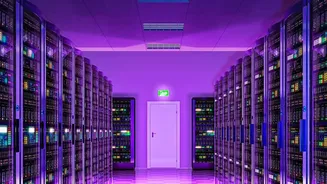
The study, published in the journal Nature Sustainability, provides one of the first detailed estimates of the electricity consumption and carbon footprint of 'hyperscale' data centres since the explosion of generative AI. Researchers estimated that between
May 2024 and April 2025, these 403 massive facilities in the US emitted approximately 25.7 million metric tons of carbon dioxide. For context, Denmark's annual territorial CO₂ emissions were recorded at 24.4 million tonnes in 2025. The study highlights that this is a conservative estimate, as the data centre boom has only accelerated since the study period ended. The electricity consumption is equally immense, estimated to be around 82 terawatt-hours, which is comparable to the annual power usage of entire states like Michigan or Tennessee and represents about 1.8% of total US electricity consumption.
Why Is AI So Power-Hungry?
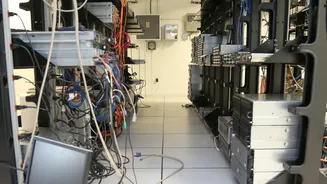
The incredible capabilities of modern AI models, from generating text to creating images, come at a high energy price. The process is twofold. First, 'training' these models involves feeding them colossal amounts of data, a process that requires immense computational power over extended periods. Then comes 'inference', which is the energy used every time the AI performs a task, like answering one of your queries. While a single query uses a small amount of energy, the sheer volume of daily global interactions adds up significantly. The hardware itself, composed of thousands of specialised processors packed into servers, generates intense heat and requires constant, energy-intensive cooling systems to function. Worryingly, the Harvard study found that over half of the electricity powering these centres came from fossil fuels, with natural gas (38%) and coal (15%) being the primary sources.
India's Data Centre Dilemma
This global issue has profound implications for India, which is in the midst of its own data centre revolution. Driven by the government's 'Digital India' initiative, data localisation policies, and a surging demand for cloud computing and digital services, the country is becoming a major hub for data centre investment. While this boom promises economic growth and technological advancement, it also presents a significant environmental challenge. As India builds out its AI infrastructure, the decisions made today about how to power these facilities will have a long-lasting impact on the nation’s energy grid and its carbon emissions targets. The study’s finding that geography is key—with emissions varying drastically based on the local energy mix—is a crucial lesson. A data centre in a region reliant on coal will have a much larger carbon footprint than one in a state with abundant renewable energy.
Beyond Kilowatts: Water and Waste
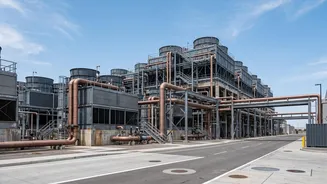
The environmental impact of data centres isn't limited to electricity consumption. Cooling the servers requires vast amounts of water, with some facilities using millions of litres per day—a serious concern in a world facing increasing water stress. One estimate suggests global AI demand could require between 4.2 and 6.6 billion cubic metres of water by 2027, potentially surpassing the total annual water withdrawal of countries like Denmark. Furthermore, the rapid pace of technological advancement leads to short hardware refresh cycles, contributing to a growing mountain of electronic waste. These discarded components can contain toxic materials, posing a disposal challenge and a threat to ecosystems if not managed responsibly.
Can Tech Solve The Problem It Created?
The situation, while alarming, is not without hope. The AI industry is facing a critical turning point, with a growing push for 'Green AI'. This movement focuses on developing more energy-efficient algorithms and specialised hardware. There's also a significant opportunity for AI itself to be part of the solution. AI-driven energy management systems can optimise heating and cooling in buildings or make industrial processes more efficient, potentially saving hundreds of terawatt-hours of electricity globally. Furthermore, there is a push to build new data centres in locations with access to plentiful renewable energy sources like solar, wind, or hydropower, and to develop innovative cooling solutions, such as using seawater. However, experts agree that the first and most crucial step is greater transparency, as companies rarely disclose their specific energy and water consumption, making it difficult to manage the environmental impact effectively.