





The Balcony Pot Dilemma
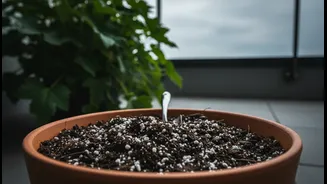
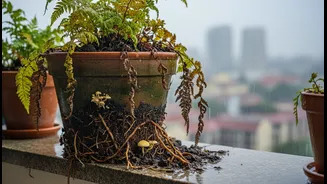
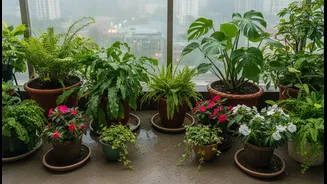
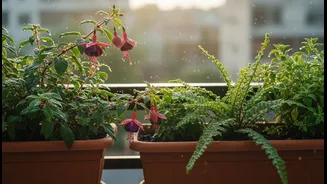
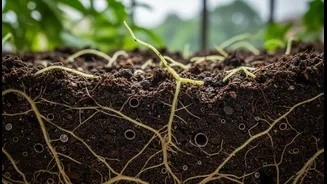
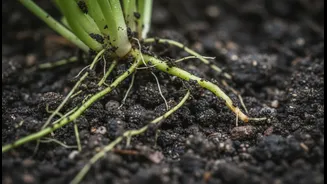
Balcony pots are a closed system. Unlike plants in the ground, water has limited places to go. During an extended monsoon, the soil in containers can quickly become saturated. This watery environment suffocates plant roots, depriving them of the oxygen
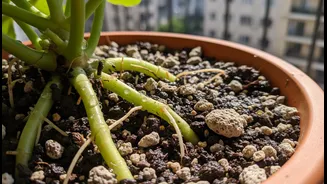
they need to survive. This leads to the number one killer of potted plants: root rot. Symptoms like yellowing leaves and mushy stems are classic signs that your plant's roots are drowning. This is where a little soil preparation can make all the difference, turning a potential plant catastrophe into a thriving green space.
Introducing Perlite: The Lightweight Wonder
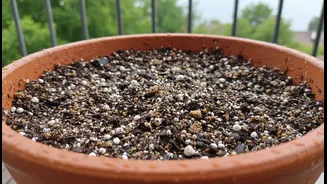
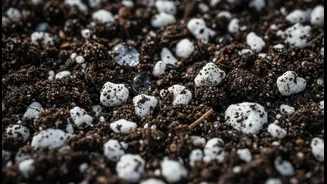
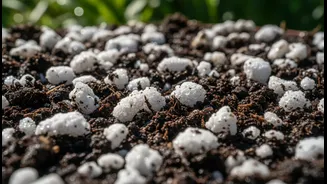
You've likely seen it without realizing—those small, white, lightweight specks in commercial potting mixes. Often mistaken for Styrofoam, perlite is actually a naturally occurring volcanic glass. When this glass is heated to extreme temperatures, it 'pops' like popcorn, expanding into a porous, lightweight, and sterile material. This 'volcanic popcorn' is pH neutral, meaning it won't alter your soil's acidity, and it doesn't decompose, so its benefits are long-lasting. Its primary role in the garden is not to provide nutrients but to physically improve the structure of the soil.
The Science of Superior Drainage
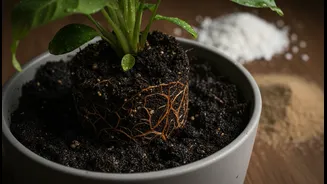
The magic of perlite lies in its structure. Its porous and irregular shape creates tiny air channels within the soil. During the heavy, compacting rains of the monsoon, these channels are a plant's lifeline. They allow excess water to drain away freely from the pot instead of pooling around the roots. This prevents the soil from becoming a dense, airless mud. By keeping the soil loose and preventing compaction, perlite ensures that even after a downpour, oxygen can still reach the plant's roots, which is essential for their health and ability to absorb nutrients.
How to Prepare Your Monsoon Soil Mix
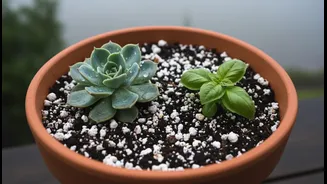
Being proactive is key. The best time to amend your soil is before repotting or at the beginning of the season, well before the heavy rains begin. For a general-purpose balcony mix perfect for the monsoon, a good rule of thumb is to combine your potting soil with perlite in a ratio of about 3:1 or 4:1. This means for every three or four parts of soil and compost, you add one part perlite. For plants that are particularly sensitive to wet conditions, like succulents, you can increase the ratio to 2:1. Before you mix, it's a good idea to lightly moisten the perlite to keep its dust from becoming airborne. Gently blend it into your soil until it's evenly distributed, creating a lighter, fluffier potting medium ready to handle whatever the monsoon brings.
Beyond Perlite: Other Monsoon Prep Tips
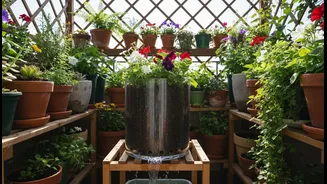
While adding perlite is a fantastic step, combine it with other good practices for the best results. Ensure every pot has multiple, unobstructed drainage holes. During the rainy season, it's wise to remove the saucers that sit under pots, as they can collect water and negate the benefits of good drainage. Elevating your pots slightly on bricks or pot feet can also improve airflow and help water escape more easily. Finally, always check the soil moisture with your finger before watering. Even during the monsoon, covered sections of a balcony might stay surprisingly dry, while exposed pots are saturated.