




Your Monthly Quick-Scan
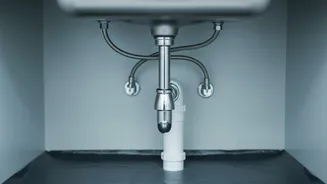
Small, regular checks are the easiest way to catch problems early. Once a month, take ten minutes to perform a quick walkthrough. Look under sinks in the kitchen and bathrooms for any signs of moisture or slow drips. Check the ceilings and wall corners
for any new discolouration or peeling paint, which could indicate a hidden leak. Run water in all taps and showers to ensure the pressure is normal and the drains are clearing quickly. Test exhaust fans in the kitchen and bathrooms to make sure they're working effectively to pull moisture out. This quick routine helps you spot trouble before it escalates.
Quarterly Maintenance Tasks
Every three months, it's wise to dedicate a bit more time to deeper maintenance. This is a good time to clean all your drains to prevent blockages. A simple mix of baking soda and vinegar followed by hot water can often clear minor build-up. Check the seals around windows and doors for any cracks or gaps that could let in water, especially ahead of the monsoon. Inspect any appliances that use water, like a washing machine, for leaks in their hoses. If you have air conditioners, clean the filters to ensure they run efficiently and don't contribute to humidity inside. It’s also a good habit to test smoke and carbon monoxide detectors.
Monsoon-Proofing Your Home
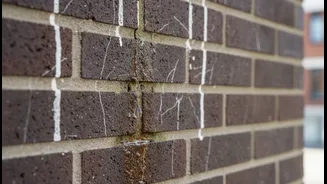
The rainy season in India requires special attention. Before the monsoon arrives, it's crucial to prepare. Ensure balconies and window sills are clear and that drains are not blocked by debris, allowing rainwater to flow away easily. Report any visible cracks on external walls to your landlord, as these can be entry points for water. Inside, focus on preventing dampness by ensuring good ventilation. Use exhaust fans when cooking and showering, and open windows for cross-ventilation when it's not raining. If you have persistent dampness, a dehumidifier can be a valuable investment to prevent mould growth.
Spotting Leaks and Damp
Water damage can be sneaky. The most obvious signs are damp patches or discolouration on walls and ceilings. A musty smell in a room or closet is another strong indicator of hidden moisture or mould. Pay attention to bubbling or peeling paint, as this is often caused by water getting trapped behind the paint layer. Warped wooden floors or door frames can also signal a long-term moisture problem. If you notice any of these signs, document them with photos and inform your landlord immediately. Early reporting is key to preventing more extensive damage to the property and your belongings.
Keeping Drains Clear
Clogged drains are a common rental nuisance. To prevent them, be mindful of what goes down. In the kitchen, avoid pouring cooking grease or coffee grounds down the sink. In the bathroom, use a drain cover to catch hair. For routine maintenance, regularly flush drains with hot water. If you notice a drain is slowing down, it’s better to address it early. A simple mixture of vinegar and baking soda can often resolve minor clogs. For more stubborn blockages, it's best to inform your landlord rather than using harsh chemical drain cleaners that can sometimes damage older pipes.
Tenant vs. Landlord: Who Is Responsible?
Understanding your responsibilities is key to a good tenant-landlord relationship. In India, tenants are generally responsible for routine upkeep and minor repairs, such as changing light bulbs, cleaning filters, and fixing damage caused by negligence. The landlord is typically responsible for major structural repairs, including issues with the roof, foundation, plumbing systems, and electrical wiring. This includes fixing major leaks or widespread dampness that result from structural issues. Always check your rental agreement, as it should specify these responsibilities. For any major issues, inform your landlord in writing. The Model Tenancy Act, 2021, provides a framework, but your lease is your primary guide.