





Fabric is Your First Line of Defence
The golden rule for exercising in the rain and humidity is simple: avoid cotton. Cotton is highly absorbent, meaning it soaks up rain and sweat, becoming heavy, clingy, and a perfect recipe for chafing. Instead, your wardrobe should be built on modern,
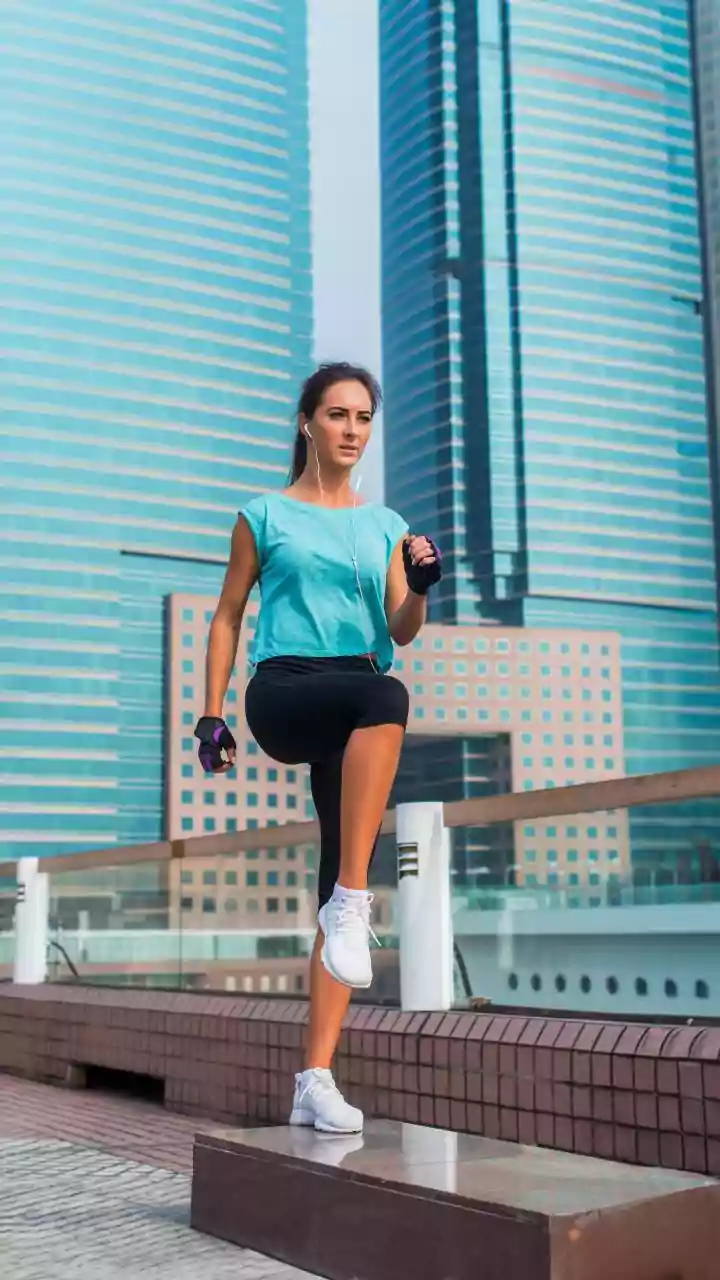
technical fabrics. Look for synthetic materials like polyester and nylon. These fabrics are hydrophobic, meaning they resist water absorption and instead allow moisture to move to the surface to evaporate. Many high-performance T-shirts and shorts use polyester-spandex blends, which offer a snug, flexible fit without restricting movement and prevent the fabric from sagging when damp. These quick-drying materials are essential for preventing that sticky, uncomfortable feeling and helping to regulate your body temperature in the humid Indian climate.
The Post-Workout Plan of Action
What you do immediately after your workout is just as important as the exercise itself. The combination of sweat and rain in a humid environment creates a breeding ground for bacteria and fungi. It is crucial to change out of your wet clothes as soon as possible. Lingering in damp gear can lead to chills and increase your risk of skin infections like ringworm or folliculitis. Have a dry set of clothes and a towel ready. Once home, don't just toss your wet gear into the laundry basket. This traps moisture and allows mildew and foul odours to develop, which can spread to other clothes. The best practice is to hang your workout clothes to air-dry immediately, preferably inside out, before you wash them. If you can't wash them right away, this step prevents them from becoming a smelly, mouldy mess.
Washing and Drying in the Damp
Washing monsoon workout gear requires a specific approach. To combat tough odours, you can pre-soak clothes in a solution of one part white vinegar to five parts water for about 30 minutes before washing. When laundering, use the warmest water the fabric can handle (always check the care label) but avoid fabric softeners. Fabric softeners can leave a residue that clogs the pores of performance fabrics, ruining their moisture-wicking properties. With limited sunshine, drying can be a challenge. If possible, use a well-ventilated indoor space or a balcony with an overhang. Ensure there is good airflow to prevent that musty monsoon smell. Since these synthetic fabrics are quick-drying by nature, they should be ready for your next session much faster than cotton.
Focus on Recovery and Hygiene
Exercising in high humidity puts extra strain on your body. Your body works harder to cool down, and sweat evaporates less efficiently, increasing the risk of dehydration. Therefore, post-workout hydration is non-negotiable. Aim to replenish fluids with water and consider an electrolyte drink to replace essential minerals lost through sweat. Your skin also needs extra care. A post-workout shower is essential to wash away sweat, pollutants, and potential germs. This simple step is one of your best defences against the skin infections that can thrive in warm, moist conditions. By creating a solid plan for your gear and your body, you can ensure your fitness journey continues uninterrupted, making the most of the cool, rain-washed air.