




Eliminate Standing Water: The First Commandment
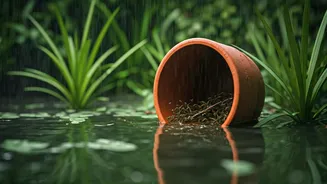
The most effective step you can take is to eliminate their breeding grounds. Mosquitoes need only a tiny amount of stagnant water—as little as a bottle cap's worth—to lay hundreds of eggs. Walk your property weekly with a critical eye. Tip over empty
flower pots and saucers, clear clogged roof gutters, and ensure tarps or children's toys aren't collecting rainwater. If you have a birdbath, change the water every few days or add a small agitator to keep the water moving, making it unattractive for egg-laying females.
Harness Plant Power: Your Fragrant Shield
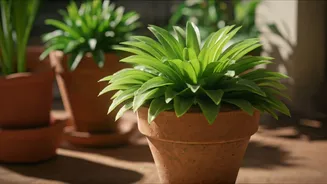
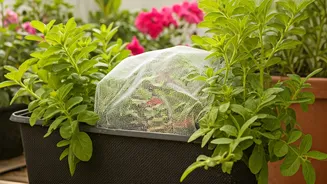
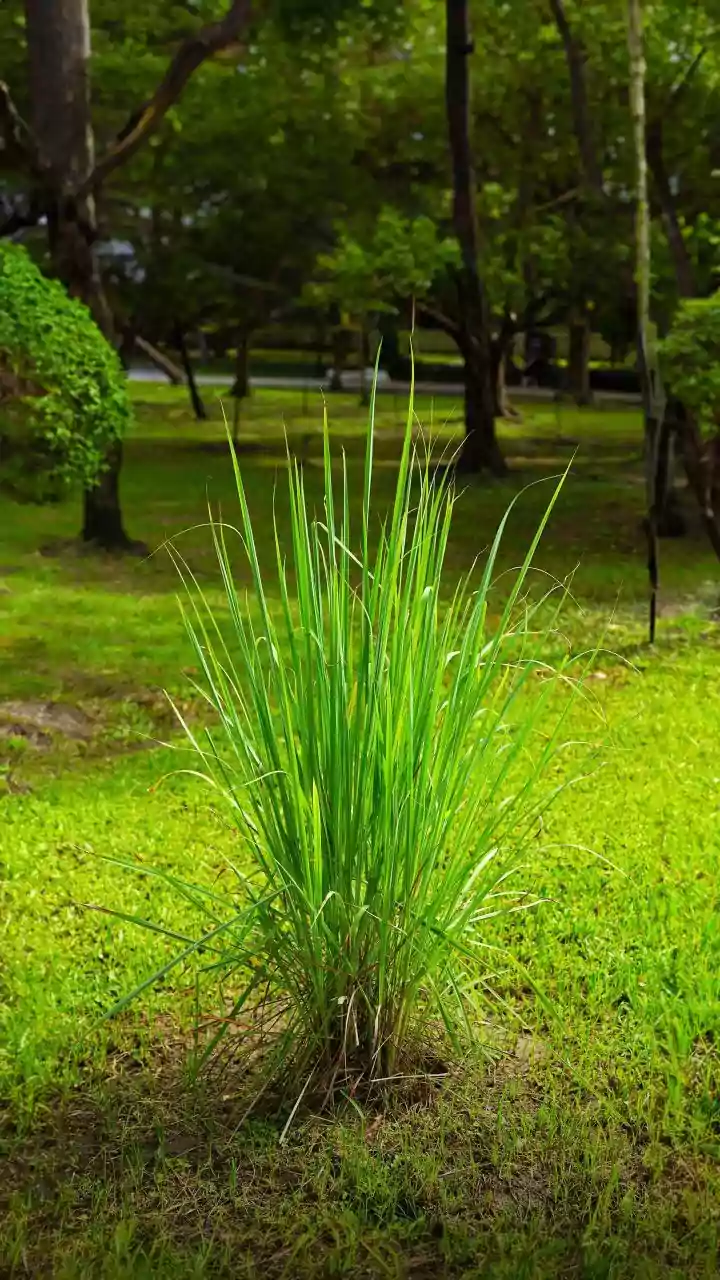
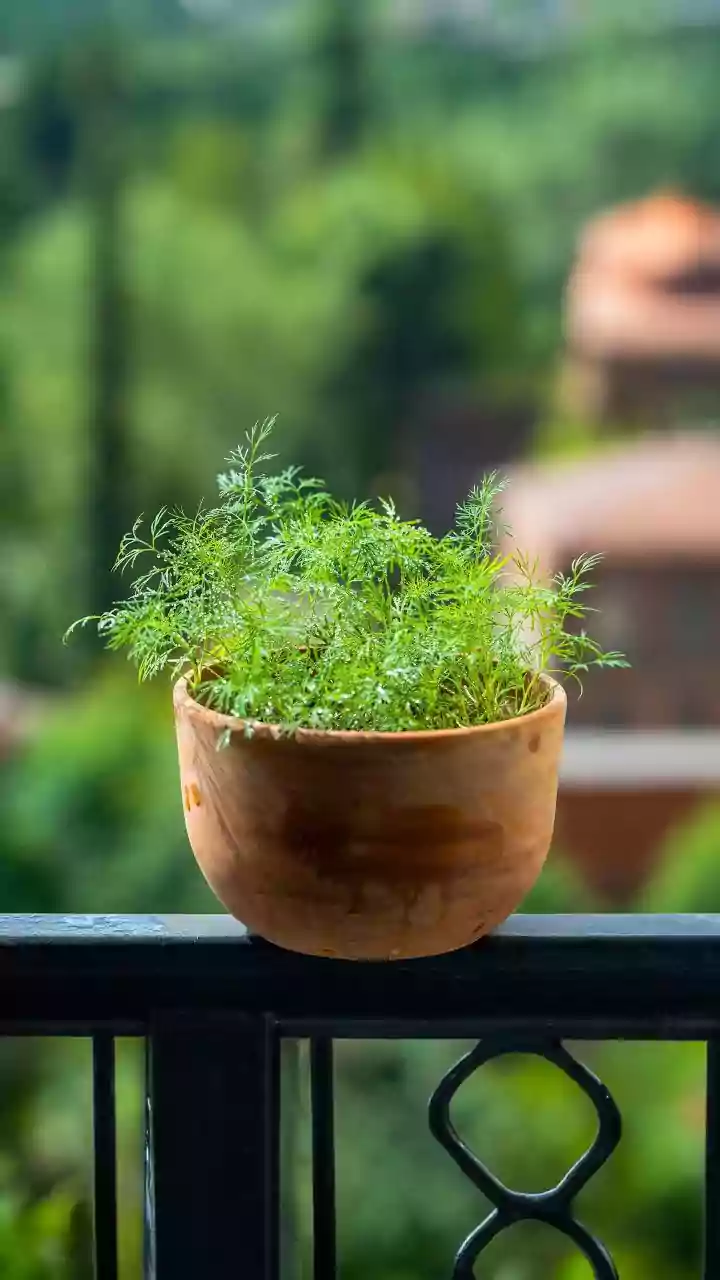
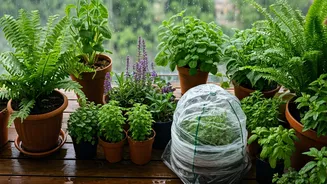
Certain plants contain natural oils and strong scents that mosquitoes find unpleasant, creating a fragrant barrier. Marigolds are a popular choice, containing a compound called pyrethrum used in many insecticides. Lemongrass is the source of citronella oil, which masks the scents that attract mosquitoes to us. Aromatic herbs like lavender, rosemary, mint, and holy basil (Tulsi) are also excellent choices. For these plants to be most effective, you need to activate their oils by crushing or brushing against their leaves, releasing the scent into the air. Strategically place them in pots near doorways, windows, and outdoor seating areas.
Practice Smart Garden Maintenance
A tidy garden is less hospitable to adult mosquitoes. These pests seek cool, shady, and damp places to rest during the heat of the day. Keep your lawn mowed and trim back dense shrubs and overgrown vegetation, especially in areas where you like to relax. Improving air circulation and allowing more sunlight into these areas makes them far less appealing hideouts. Be mindful of mulch; while beneficial, an excessively thick layer can trap moisture and create the damp conditions mosquitoes love. Using cedar mulch may offer some additional repellent benefits.
Invite the Natural Enemies of Mosquitoes
Turn your garden into a balanced ecosystem by welcoming natural mosquito predators. Dragonflies are voracious hunters, consuming mosquitoes in both their larval and adult stages. You can attract them by adding a small pond with submerged plants, which they use for laying eggs. Certain birds, such as swallows and purple martins, also feast on mosquitoes. Installing birdhouses can encourage them to take up residence. While bats are also effective nighttime hunters, attracting them might be a more involved process involving bat houses placed high up and in sunny locations.
Consider Targeted Interventions
For standing water that you cannot eliminate, such as in rain barrels or ornamental ponds, consider using mosquito dunks. These small, dissolvable rings contain a naturally occurring bacterium (Bti) that is toxic only to mosquito larvae and is safe for fish, pets, and other wildlife. On still evenings, placing a simple outdoor fan on your patio can also be surprisingly effective. Mosquitoes are weak flyers and struggle against even a gentle breeze. For persistent problems, you might consider traps that use attractants like carbon dioxide to lure and kill mosquitoes, though their effectiveness can vary.