


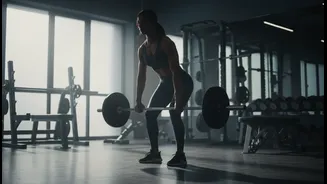



A Post-Pandemic Fitness Blueprint
The COVID-19 pandemic permanently altered our relationship with shared spaces, and the gym was no exception. It accelerated a move towards hybrid fitness models, where home workouts became a staple. For many young Indian women, this was a gateway. What
started with yoga mats and resistance bands evolved into a more serious commitment to strength. The convenience of a workout without a commute, accessible anytime, proved addictive. This newfound flexibility allowed them to build routines that fit their lives, not the other way around, laying the groundwork for more significant investment in their home fitness spaces.
Escaping the Unwanted Gaze
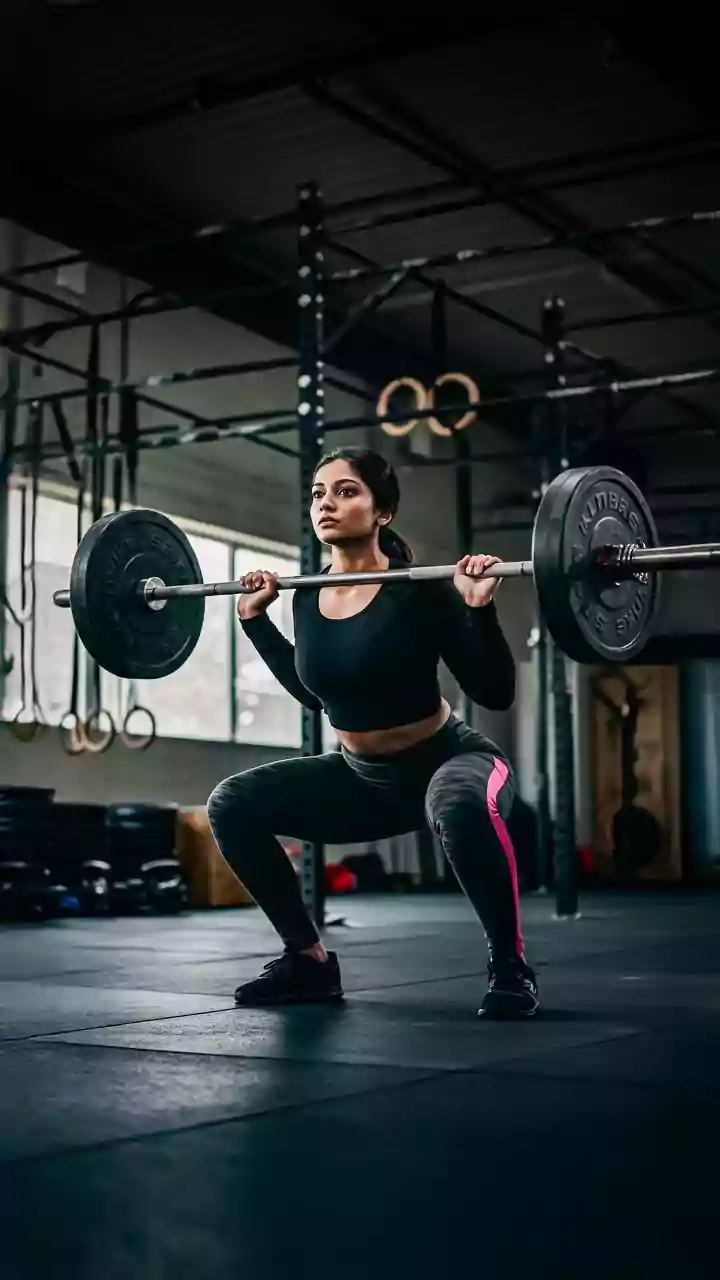
Commercial gyms in India can be challenging spaces for women. Beyond the logistics, there's a significant emotional and mental load: a culture of staring, unsolicited advice from 'gym bros,' and a general feeling of being watched or judged. Many women report feeling uncomfortable performing exercises like squats or deadlifts under the intense male gaze, leading to a form of self-censorship in their own fitness journeys. Building a home gym is a direct response to this. It's a conscious decision to create a sanctuary where the only focus is on form, strength, and personal goals, free from harassment and the exhausting hypervigilance that often accompanies a trip to a co-ed weights room.
Redefining What it Means to Be Strong
The fitness narrative for Indian women is undergoing a massive rewrite. The old goal of being 'skinny' or 'toned' is being replaced by a powerful new aspiration: being strong. This isn't just about aesthetics; it's a philosophical shift. Strength training is now seen as a tool for empowerment, building not just muscle but confidence and resilience. Social media has played a huge role, with female fitness influencers and athletes showcasing the power and grace of a strong physique, normalizing muscularity and celebrating what the body can do rather than just how it looks. This redefinition has made heavy lifting aspirational, reframing it from a masculine pursuit to a key part of female wellness.
The Power of a Personalised Space
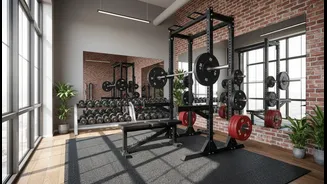
A home gym is more than just equipment; it's a fully controlled environment. It offers women the freedom to be beginners without an audience, to grunt, to fail a lift, and to try again without feeling self-conscious. It's a space where they control the music, the cleanliness, and the atmosphere. This level of control is empowering. It removes the intimidation factor that is a significant barrier for many women wanting to start strength training. They can choose equipment that suits their specific goals and body, progressing at their own pace. This autonomy turns the workout from a public performance into a private, meditative practice of self-improvement.
An Investment in Long-Term Health
There's also a growing awareness, amplified online, about the specific, science-backed benefits of strength training for women's bodies. It’s increasingly understood as a necessity rather than an option. Heavy lifting is one of the most effective ways to build bone density, crucial for preventing osteoporosis, a condition to which women are more susceptible. It also helps manage hormonal health, boosts metabolism, and improves body composition. As young women take a more proactive role in their long-term health, building a home gym is seen not as a luxury, but as a crucial investment in a longer, healthier, and more independent life.