



The Desk Jungle Dilemma
You want the aesthetic. You want that touch of nature, a splash of green to break up the monotony of your computer screen and keyboard. Studies show that having plants in the workplace can reduce stress, boost productivity, and improve air quality. The
appeal is undeniable. But then reality hits. Who will water it during the long weekend? What if your desk doesn't get enough sunlight? The fear of becoming a 'plant killer' is real, and it stops many from even trying. This is where the search begins for a plant that not only survives but thrives on a bit of forgetfulness, tolerates the typical office environment, and still looks great doing it. For countless new and seasoned plant owners, that search ends with two famously resilient options.
Meet the Survivor: The Snake Plant
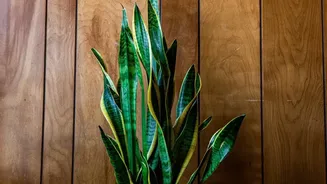
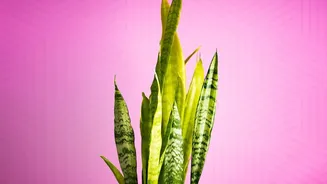
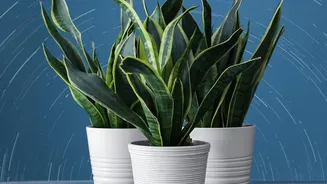
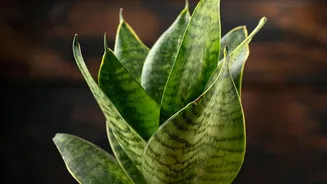
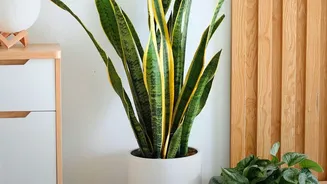
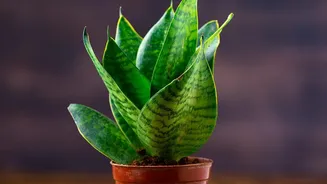
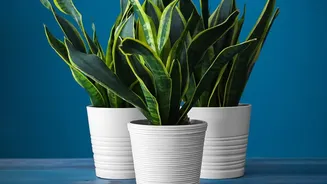
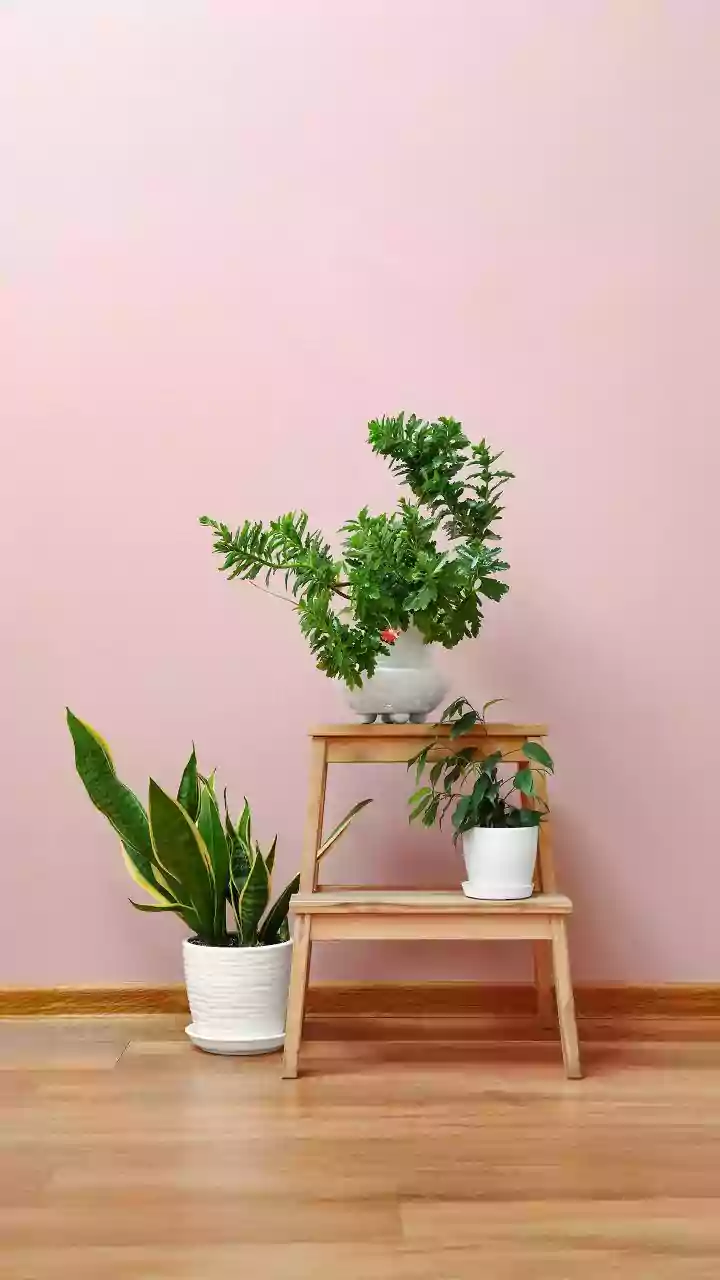
The Snake Plant, or Sansevieria, is the undisputed king of low-maintenance greenery. With its stiff, upright leaves that look like architectural sculptures, it adds a modern touch to any desk. But its beauty is backed by incredible toughness. Native to arid regions of West Africa, it's a plant that evolved to handle drought. Its secret weapon is a special type of photosynthesis called Crassulacean Acid Metabolism, or CAM. Unlike most plants that open their pores (stomata) during the day to take in carbon dioxide and inevitably lose water, the Snake Plant works the night shift. It opens its pores in the cooler, more humid night air to gather CO2, storing it as an acid. During the day, it keeps its pores shut tight to conserve moisture while using sunlight to convert the stored CO2 into energy. This clever adaptation makes it exceptionally water-efficient, allowing it to go for weeks without a drink.
The Ever-Forgiving Pothos
If the Snake Plant is the stoic survivor, the Pothos, or Epipremnum aureum, is the cheerful, forgiving friend. Known for its heart-shaped leaves and trailing vines that can beautifully drape over shelves or the side of a desk, the Pothos is perhaps the easiest houseplant for beginners. While it doesn't use CAM photosynthesis, its resilience comes from its hardy nature and clear communication. A Pothos is very forgiving of an inconsistent watering schedule. It prefers its soil to dry out between waterings and will give you a gentle visual cue when it's thirsty: its leaves will start to look a little soft and droopy. A quick drink is all it takes for it to perk right back up within hours. This makes it incredibly easy to learn its needs without the risk of sudden death. It's also highly adaptable, tolerating a wide range of light conditions, from a bright spot near a window to a dimmer corner of the office.
Why Less Water Is More
The number one killer of both Snake Plants and Pothos is not neglect, but too much affection—specifically, overwatering. Their roots are not designed to sit in constantly moist soil. For the Snake Plant, its thick, succulent-like leaves and rhizomes (underground stems) act as water reservoirs, holding a supply for dry spells. Overwatering suffocates the roots, leading to root rot, the one thing these hardy plants truly fear. Similarly, Pothos prefers its soil to dry out significantly before its next watering. This 'soak and dry' method mimics their natural environments and is the key to their longevity. For a busy professional, this is the perfect arrangement. You don't need a daily schedule; you just need to check the soil every week or two. If it's dry, water it thoroughly. If it's still damp, walk away and enjoy your thriving, independent plant.
Greenery for a Calmer Mind
Beyond their minimal needs, these plants bring tangible psychological benefits to your desk. The simple presence of greenery has been proven to lower stress and anxiety levels in office environments. Watching a living thing not just survive but flourish in your personal space offers a quiet sense of accomplishment. The vibrant green of a Pothos vine or the steady presence of a Snake Plant provides a natural focal point, a brief escape for tired eyes. This connection to nature, known as biophilic design, is linked to higher job satisfaction and creativity. Choosing one of these low-stress plants means you get all the mental wellness benefits without any of the watering-related anxiety.